

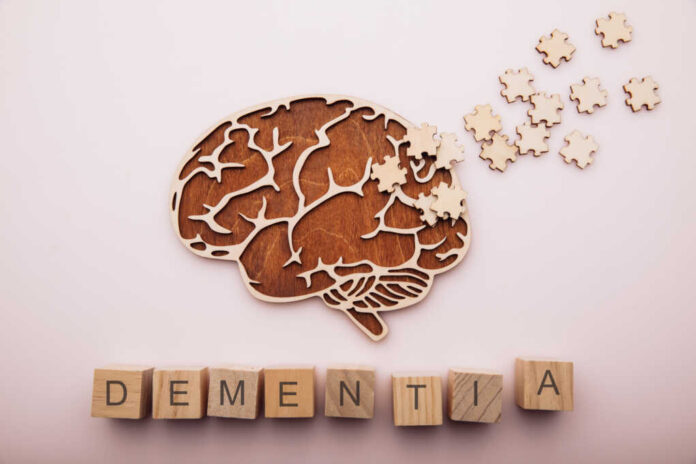
Scientists pinpoint dementia’s hidden signals nine years before doctors declare it, turning everyday brain slips into urgent wake-up calls for those over 40.
Story Snapshot
- University of Cambridge researchers detected subtle cognitive declines in UK Biobank participants up to nine years pre-diagnosis.
- Impairments hit problem-solving, number recall, reaction times, prospective memory, and pair matching across dementia types.
- At-risk groups like those over 50 with high blood pressure or low exercise show earliest signs, urging preventive action.
- Early detection opens doors to trials and lifestyle changes before brain damage locks in.
- NHS misses over a third of cases now; routine screening could slash future burdens.
Cambridge Study Reveals Pre-Diagnostic Cognitive Impairments
Nol Swaddiwudhipong, a University of Cambridge junior doctor, led analysis of UK Biobank data from 500,000 participants aged 40-69. Baseline tests from 2006-2010 captured subtle deficits in those later diagnosed with dementia between 2011 and 2019. Problem-solving scores dropped markedly five to nine years ahead. Number recall faltered in similar timeframes. These patterns held for Alzheimer’s, frontotemporal dementia, Parkinson’s, and Lewy body dementia.
Researchers noted poorer overall health linked these early signs to modifiable risks like hypertension and inactivity. Common sense dictates addressing them aligns with conservative values of personal responsibility and prevention over reactive care. Swaddiwudhipong stressed screening at-risk over-50s to catch changes before they cascade.
UK Biobank Data Collection and Analysis Methods
UK Biobank gathered cognitive data during 2006-2010 baseline assessments. Participants completed tests on fluid intelligence, working memory, reaction time, prospective memory, and pair matching. Follow-up linked 1,033 later dementia cases to initial performances. Those diagnosed showed consistent multi-domain weaknesses at baseline, unlike healthy controls.
Study published October 13, 2022, in Alzheimer’s & Dementia journal. Cambridge University Hospitals NHS Foundation Trust collaborated. Dr. Thomas Rittman highlighted recruitment for trials before irreversible damage sets in. Facts support this: brain changes precede symptoms by decades in genetic cases.
Meet My Healthy Doc – instant answers, anytime, anywhere.
Distinctions from Prior Detection Approaches
Previous methods relied on symptoms or neuroimaging, spotting changes 10-25 years early in rare genetic forms. Behavioral signs emerge about two years pre-diagnosis in 80% of cases. Cambridge work stands out by using routine cognitive batteries on a massive cohort, revealing broad impairments not tied to one dementia type.
NHS currently fails to diagnose over a third of over-65s due to no pre-symptomatic routine tests. This study provides practical tools like simple puzzles and timing tasks. Conservative principles favor empowering individuals with knowledge to act early, reducing reliance on strained public health systems.
Got a health question? Ask our AI doctor instantly, it’s free.
Recent Advances Complement Cognitive Screening
Queen Mary University of London researchers developed an fMRI model in 2024 predicting all-cause dementia with over 80% accuracy up to nine years early. It detects default mode network disconnectivity in UK Biobank brain scans from 81 cases and 1,030 controls. Blood protein tests forecast risk up to 15 years ahead.
Watch:
https://www.youtube.com/watch?v=vXkKqkf-Ayk
Dr. Claire Sexton of Alzheimer’s Association confirmed DMN changes precede diagnosis by decades. Limitations persist: fMRI lacks routine access versus cheap cognitive tests. David Thomas of Alzheimer’s Research UK called for NHS early interventions, as post-diagnosis trials often fail against advanced progression.
Implications for Prevention and Policy
Targeted screening could reduce NHS costs from undiagnosed cases. Families gain time for support; at-risk communities like hypertensives benefit from exercise pushes. Pharma trials improve with pre-symptomatic recruits. Long-term, integrating tests promises risk cuts via lifestyle shifts—core to self-reliant health values.
Optimism tempers with translation hurdles beyond UK cohorts. No routine adoption yet, but evidence builds pressure on policymakers.
Your instant doctor companion – online 24 hours a day.
Sources:
https://www.alzheimersresearchuk.org/news/scientists-detect-dementia-signs-as-early-as-nine-years-ahead-of-diagnosis/
https://www.cam.ac.uk/research/news/scientists-detect-dementia-signs-as-early-as-nine-years-ahead-of-diagnosis
https://clearthoughtsfoundation.org/new-test-predicts-dementia-9-years-early/
https://www.medicalnewstoday.com/articles/new-test-may-predict-dementia-up-to-9-years-before-diagnosis-80-accuracy
https://www.mindbodygreen.com/articles/dementia-can-be-spotted-9-years-before-diagnosis-heres-how-5-pre-diagnostic-signs-of-dementia
https://www.mcknightsseniorliving.com/news/dementia-detection-possible-9-years-before-diagnosis-and-could-lead-to-earlier-interventions-researchers-say/
https://pmc.ncbi.nlm.nih.gov/articles/PMC11391414/
https://www.sciencemediacentre.org/expert-reaction-to-test-claiming-to-predict-dementia-nine-years-before-diagnosis/
https://www.nature.com/articles/d41586-024-00418-9