

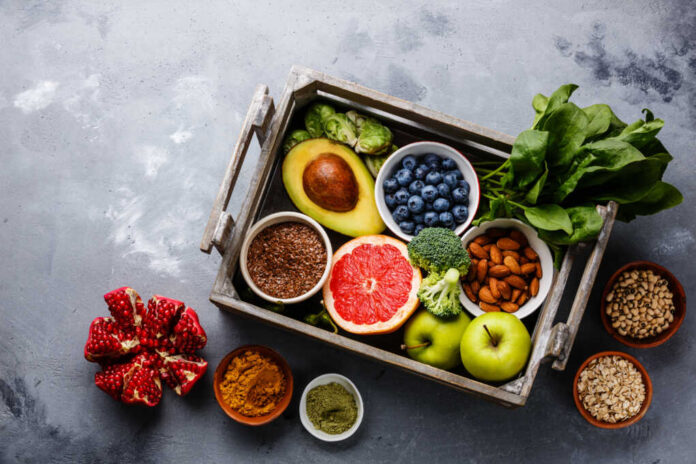
Scientists have discovered that eating more fruits and vegetables can improve your sleep quality and energy levels within 24 hours.
Story Snapshot
- A groundbreaking University of Chicago study shows eating five cups of fruits and vegetables daily improves sleep quality by 16% within one day
- This represents the first research to objectively measure same-day sleep improvements from dietary changes
- Simple food swaps like choosing whole grains over refined carbs can provide sustained energy without the crash
- The intervention is natural, cost-effective, and accessible to most people seeking energy solutions
The 24-Hour Energy Revolution
For decades, researchers understood that poor sleep drives bad eating habits. Now they’ve flipped the script entirely. The October 2025 study from University of Chicago Medicine and Columbia University proves that what you eat today directly affects how well you sleep tonight—and how energized you feel tomorrow. This isn’t about waiting weeks or months for results. We’re talking about measurable improvements in sleep quality within 24 hours of changing your diet.
Dr. Esra Tasali from the UChicago Sleep Center calls it “a new, natural and cost-effective approach to achieve better sleep.” But here’s what makes this discovery truly revolutionary: it gives you immediate control over your energy levels using foods you can buy at any grocery store.
Watch: Eating More Fruits and Veggies May Help You Beat Bad Sleep
The Five-Cup Formula That Changes Everything
The magic number isn’t complicated—five cups of fruits and vegetables per day. That’s what the CDC has recommended for years, but most Americans fall short. The Chicago researchers found that participants who met or exceeded this threshold experienced a 16% improvement in objectively measured sleep quality. Not self-reported feelings, but actual data from sleep monitoring devices.
This finding demolishes the excuse that healthy eating takes too long to show results. Your body responds to good nutrition faster than most people realize. Dr. Marie-Pierre St-Onge from Columbia University emphasizes the empowering nature of this discovery: “Small changes can impact sleep. That is empowering—better rest is within your control.”
Watch: Improve Your Sleep Quality with This Simple Diet Hack
Beyond Fruits and Vegetables: The Complete Energy Blueprint
While the Chicago study focused on produce, Harvard Health researchers have identified the broader dietary pattern that sustains energy throughout the day. The key lies in combining unrefined carbohydrates, lean proteins, and healthy fats. This combination prevents the blood sugar rollercoaster that leaves you crashing mid-afternoon.
Whole grains deserve special attention in this energy equation. The British Heart Foundation advocates for simple swaps like choosing brown rice over white, or whole grain bread instead of refined versions.
The Productivity Connection Nobody Talks About
The implications extend far beyond personal well-being. Research shows that proper nutrition directly correlates with workplace productivity, reduced absenteeism, and enhanced cognitive performance. Companies are beginning to recognize that employee fatigue isn’t just a personal problem—it’s an economic issue that affects their bottom line.
Consider the cascade effect: better nutrition leads to improved sleep, which results in increased daytime energy, enhanced focus, and greater productivity. This isn’t theoretical—it’s measurable within days of implementing dietary changes. The beauty of this approach lies in its accessibility. Unlike expensive supplements or complex medical interventions, increasing your fruit and vegetable intake requires nothing more than a trip to the produce section.
Sources:
ScienceDaily – Diet changes improve sleep quality
Harvard Health – Eating to boost energy
Healthline – Healthy eating tips
British Heart Foundation – Small changes add up
PMC – Diet and sleep relationship study
PMC – Nutrition and sleep quality research
Nutrition Ed – Food effects on productivity
Science Focus – Food and brain health