

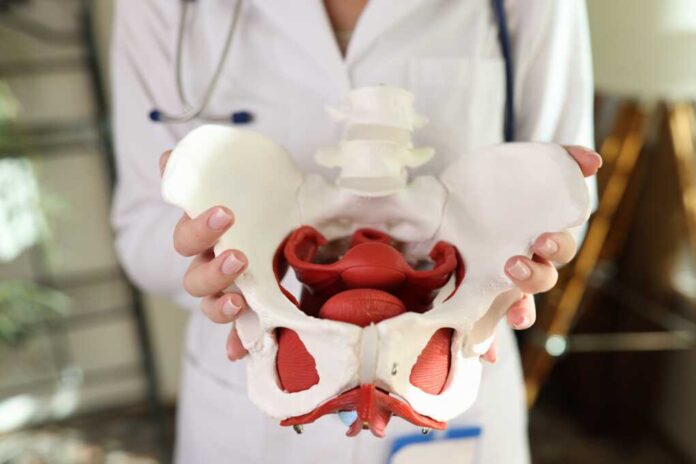
The pelvic floor might just be the most overlooked muscle group in your body, and it could be the key to your overall health and wellness.
Story Highlights
- Pelvic floor muscles play a crucial role in bodily functions and overall health.
- Signs of a weak pelvic floor include urinary incontinence and lower back pain.
- Strengthening these muscles can lead to improved quality of life.
- Understanding muscle anatomy is accessible to everyone with the right resources.
The Importance of the Pelvic Floor
The pelvic floor is a group of muscles that support the pelvic organs, including the bladder, intestines, and in women, the uterus. These muscles are foundational to many functions we take for granted, such as bladder control and sexual health. However, it’s not just women who should be concerned about pelvic floor strength; men can experience issues with these muscles too, affecting their quality of life.
Pelvic floor dysfunction can manifest in several ways, ranging from urinary incontinence to chronic pelvic pain. Many people suffer in silence, unaware that these symptoms could be linked to a weakened pelvic floor. Recognizing these signs is the first step towards better health and well-being.
Recognizing the Warning Signs
Common signs of pelvic floor weakness include urinary leakage, frequent bathroom trips, and difficulty controlling bowel movements. In some cases, individuals may experience a feeling of heaviness or a bulge in the pelvic area. Lower back pain and discomfort during sexual activities can also be indicators. If you recognize any of these symptoms, it may be time to consider strengthening your pelvic floor.
These symptoms can affect anyone but are particularly prevalent in postpartum women and older adults. Addressing these issues early can prevent more severe complications down the line and improve one’s quality of life significantly.
Strengthening the Pelvic Floor
Pelvic floor exercises, commonly known as Kegels, are a simple yet effective way to strengthen these muscles. They involve contracting and relaxing the pelvic floor muscles, similar to stopping the flow of urine. Consistency is key, and these exercises can be done anywhere, making them a convenient addition to daily routines.
Incorporating pelvic floor exercises can lead to significant improvements. Enhanced bladder control, reduced pelvic pain, and increased sexual satisfaction are just a few of the benefits. For those unsure where to start, consulting a healthcare professional or physical therapist can provide personalized guidance and support.
Accessible Anatomy for All
Understanding the anatomy of your muscles doesn’t require a medical degree. With the rise of digital resources and interactive tools, anyone can learn about their body’s muscle groups. This knowledge is empowering, offering insights into how our bodies function and how we can maintain them.
Education around muscle anatomy, including the pelvic floor, is becoming more integrated into general wellness and fitness programs. This shift highlights the importance of body literacy in promoting overall health and preventing injury. Knowing how your muscles work and how to care for them can lead to a more active and fulfilling lifestyle.
Sources: