
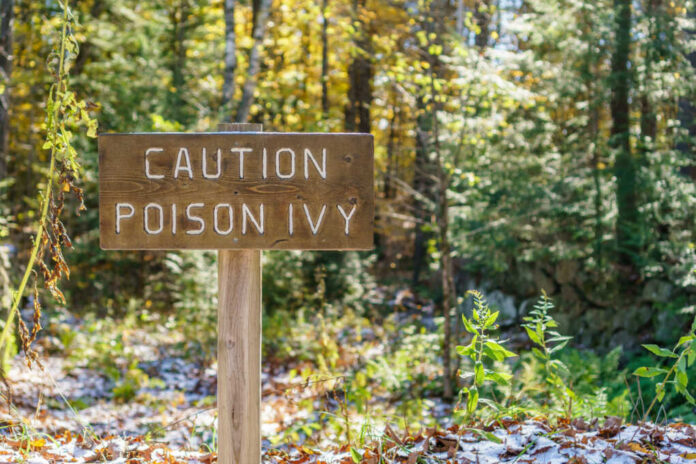
Most adults are allergic to poison ivy, and knowing how to prevent or minimize the resulting rash can spare you weeks of itch and discomfort.
Story Snapshot
- Poison ivy, oak, and sumac contain an oil called urushiol, causing allergic reactions in most adults.
- These plants are common across the U.S., except in Alaska and Hawaii, making identification crucial for prevention.
- Immediate washing with soap and water after exposure can prevent or reduce rash severity.
- Severe cases may require medical intervention, such as oral corticosteroids.
Understanding Poison Ivy and Its Relatives
Poison ivy, oak, and sumac are notorious for causing itchy, blistering rashes due to urushiol oil. This allergenic compound is found in the leaves, stems, and roots of these plants. Most adults are sensitive to urushiol, making it essential to recognize these plants and avoid contact. They are widespread across the U.S., growing in various habitats, posing risks to outdoor enthusiasts and workers alike.
During spring and summer, when outdoor activities peak, cases of poison ivy exposure rise. The adage “leaves of three, let them be” helps in identifying poison ivy and oak, while poison sumac typically has clusters of 7-13 leaflets. Knowing what to look for is half the battle in preventing an unpleasant encounter.
Prevention and Immediate Action
Preventing poison ivy rash hinges on avoiding contact. Wear long sleeves, pants, and gloves when venturing into areas where these plants thrive. If exposure occurs, wash the skin immediately with soap and water. This can help remove urushiol before it binds to the skin. Clothes and pets should also be washed, as urushiol can linger on surfaces and fur.
Despite best efforts, sometimes exposure leads to a rash. Over-the-counter treatments like hydrocortisone cream, calamine lotion, and antihistamines can alleviate mild symptoms. However, should the rash become severe or widespread, medical consultation is advisable, as oral corticosteroids might be necessary.
The Role of Public Health and Education
Public health agencies, including the CDC and FDA, play a crucial role in educating the public about poison ivy prevention and treatment. They periodically update guidelines based on the latest research. Dermatologists and healthcare providers are at the forefront, offering advice and treatment to individuals dealing with rashes.
Public awareness campaigns and educational materials aim to reduce the incidence of poison ivy rashes. These efforts are particularly important for new outdoor enthusiasts who may be unfamiliar with these plants. By promoting knowledge and preventive measures, public health officials strive to lessen the seasonal spike in poison ivy cases.
Future Developments and Research
Research continues into more effective prevention and treatment options for poison ivy exposure. Advances in barrier creams and post-exposure cleansers are promising, potentially offering better protection and quicker relief. As scientific understanding of urushiol and its effects deepens, new strategies may emerge to combat this common allergen.
For those frequently exposed to these plants, staying informed about the latest recommendations and products is beneficial. The ongoing collaboration between healthcare providers, public health agencies, and pharmaceutical companies ensures that individuals have access to the best available methods to manage and prevent poison ivy rashes.
Sources:
American Academy of Dermatology (AAD)