
The food on your plate today could quietly shape your odds of developing rheumatoid arthritis decades from now—especially if you’re partial to steak over salad.
Story Highlights
- Swedish study finds high red and processed meat intake raises risk of seropositive rheumatoid arthritis (RA)
- Fruits, vegetables, and fiber-rich diets offer a protective effect against RA development
- Results support dietary guidelines emphasizing plant-based foods for autoimmune prevention
- Long-term cohort data challenge previous assumptions about diet and RA
Red Meat, Rheumatoid Arthritis, and the Swedish Connection
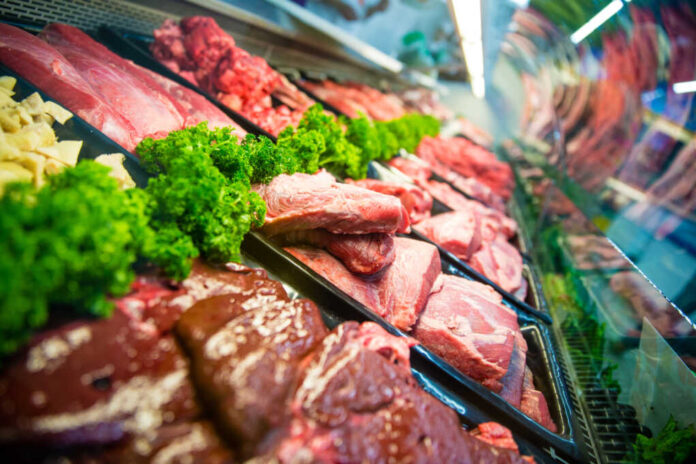
Red and processed meats may taste like tradition, but researchers in Malmö, Sweden, have drawn a new boundary between indulgence and inflammation. Analyzing data from over 28,000 participants in the Malmö Diet and Cancer Study, scientists found that those with the highest intake of red and processed meats faced significantly greater odds of developing seropositive RA—the form characterized by more severe symptoms and chronicity—when followed over a quarter-century. This finding cuts through years of dietary debate, placing a spotlight on what may be one of the most modifiable risk factors for this debilitating autoimmune disease.
Digging deeper, the researchers didn’t simply lump all diets together. By distinguishing seropositive from seronegative RA, they revealed that the risk elevation was specific to the former. For every standard deviation increase in red/processed meat intake, the odds ratio for seropositive RA jumped to 1.31—meaning a 31% increase in risk, all else being equal.
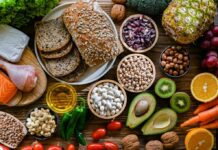
In contrast, a diet rich in fruits and vegetables, especially those meeting or exceeding 400 grams per day, correlated with substantially lower RA risk, aligning with public health recommendations and Mediterranean diet principles.
From Baseline to Breakthrough: How the Study Was Built
Dietary data were meticulously gathered from 1991 to 1996, with participants’ eating habits cataloged using food diaries, questionnaires, and interviews. The ensuing decades saw patient medical records tracked against the Swedish Rheumatology Register and National Patient Register, capturing new RA cases through 2016. Unlike many nutrition studies that suffer from small sample sizes or short windows, the Malmö study’s robust cohort and extended follow-up provided a rare longitudinal lens on lifestyle and disease.
Notably, this research did not happen in a vacuum. Swedish dietary guidelines, revised in 2015, already warn against excessive red and processed meat, but until now, the connection to autoimmune risk remained speculative. Previous studies, including one from the Västerbotten Intervention Programme, had not found significant links between meat consumption and RA after adjusting for confounders, leaving both clinicians and the public with more questions than answers. The Malmö data, with its detailed stratification and focus on dose-response relationships, changes the risk calculus.
Why Fruits and Vegetables Tip the Scales
Plant-based foods did not merely provide a neutral backdrop; they actively protected. Participants consuming higher levels of fruits, vegetables, and dietary fiber saw their risk for RA drop—sometimes by as much as 36% compared to low-intake peers. The study’s table of odds ratios makes clear: hitting the Swedish guideline of at least 400g of fruits and vegetables daily is more than a bureaucratic suggestion. Fiber, too, played a supporting role, with each standard deviation increase tying to a 20% reduction in risk.
Mechanistically, the study authors and supporting experts point to anti-inflammatory phytochemicals, antioxidants, and improved gut health as possible explanations for these protective effects. This dovetails with mounting evidence from Mediterranean diet research, which also links plant-rich eating with lower autoimmune and cardiovascular risk. For those hoping to avoid RA’s painful grip, the old advice to “eat your greens” now comes with a sharper edge—and stronger scientific backing.
Implications for Policy, Practice, and Your Dinner Plate
The ripple effects of this research extend well beyond academia. If adopted at scale, dietary changes inspired by such findings could lower RA incidence, reduce healthcare expenditures, and reshape the food industry’s approach to product formulation and marketing. For clinicians, the study offers actionable guidance: dietary counseling is no longer a soft recommendation but a frontline defense against autoimmune risk.
Yet, the story isn’t without its caveats. The study’s reliance on baseline dietary data means long-term changes in eating habits weren’t captured, and as always, confounding lifestyle factors—like physical activity and smoking—cannot be fully ruled out. Nonetheless, the sheer scale, rigorous methodology, and alignment with broader research trends make these results difficult to ignore. For Americans skeptical of nutrition headlines, this Swedish saga offers rare clarity: the fork is mightier than we thought, and the menu choices of midlife may echo into retirement and beyond.
Sources:
Annals of the Rheumatic Diseases
Västerbotten Intervention Programme Study
Nature: Mediterranean Diet and RA Risk
ACR Abstracts: Red Meat and RA Risk