
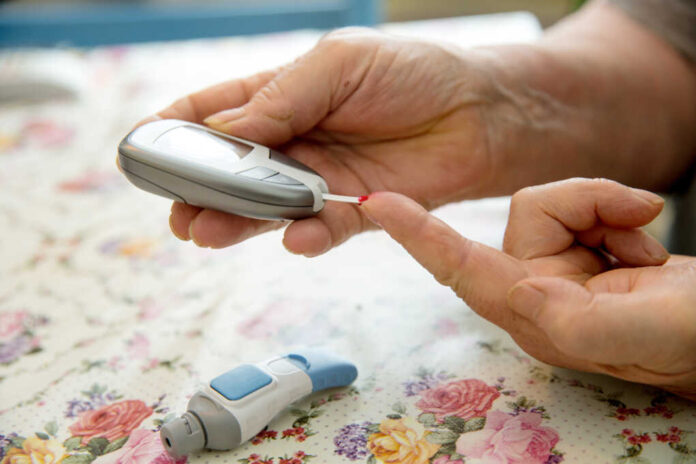
Diabetes doesn’t just slow wound healing or sap energy—it may also throttle your brain’s ability to bounce back after a traumatic injury, raising unsettling questions about recovery and resilience after TBI.
Quick Take
- Diabetes uniquely predicts slower cognitive recovery following a traumatic brain injury, unlike other vascular risks.
- Patients with diabetes show less improvement in processing speed and global cognition during the year after TBI.
- These findings challenge assumptions about post-injury recovery and demand new standards of care for TBI patients with diabetes.
- The research underscores how modifiable health factors could hold the keys to better outcomes—and perhaps, prevention of dementia down the line.
Diabetes as a Roadblock on the Path to Brain Recovery
Over 1,300 participants in a landmark TRACK-TBI cohort revealed a striking pattern: individuals with diabetes, at the moment they suffered a traumatic brain injury, not only started with poorer cognitive scores but improved at a far slower pace than their non-diabetic peers. Processing speed—the very engine of mental agility—lagged behind for diabetics throughout the critical first year. Meanwhile, other vascular culprits like hypertension and high cholesterol, long villainized for their role in dementia, showed no significant effect on TBI recovery in this study. This cracks open a provocative new chapter in brain injury science, where diabetes is not just a background risk but a direct roadblock to the brain’s comeback.
For every patient, family member, or clinician banking on the brain’s remarkable ability to heal, this data delivers a jolt: diabetes may quietly sabotage that hope. While old wisdom lumped all cardiovascular risks into a single, grim basket, this research isolates diabetes as the standout threat for those striving to regain cognitive ground after TBI. The implication is as practical as it is unsettling. If you’re rehabbing after a head injury and you have diabetes, your journey may be steeper and longer, demanding a recalibration of expectations, timelines, and—potentially—rehabilitation strategies.
TRACK-TBI: Unmasking the Hidden Influence of Vascular Disease
TRACK-TBI, one of the most ambitious brain injury studies in the United States, provided the platform for this revelation. The study’s rigorous design—prospective, multicenter, and inclusive of a relatively young cohort—gave researchers the statistical power to separate the wheat from the chaff among vascular risk factors. Previous studies had already established that TBI survivors are more likely than their peers to harbor cardiovascular risks. What set this study apart was its granular focus on how those risks shape recovery, not just long-term decline. The results puncture any notion that all vascular risks are created equal after TBI; diabetes alone emerged as the spoiler for brain recovery. Other culprits may still haunt older populations, but here, the message is clear: diabetes is in a league of its own.
Why diabetes? Researchers point to a toxic brew of chronic inflammation, microvascular dysfunction, and metabolic chaos. These forces may undermine the brain’s plasticity—the very quality that lets it rewire and repair after injury. For patients and families, this translates to real-world struggles: slower improvements in memory, attention, and executive function, with ripple effects on independence, employment, and quality of life.
Implications for Patients, Clinicians, and Policy Makers
The clinical fallout is immediate. Rehabilitation teams must now factor diabetes into their recovery forecasts and care plans. Families deserve honest conversations about likely timelines and outcomes. For those grappling with both TBI and diabetes, tailored interventions—ranging from aggressive glucose management to cognitive training—may become the new standard. This isn’t just a medical wrinkle; it’s a call for personalized care, rooted in the reality that one-size-fits-all models ignore the silent drag diabetes exerts on the brain’s recovery trajectory.
Policy makers and payors should take note as well. If diabetes management can meaningfully speed cognitive recovery, investing in better chronic disease control could yield dividends far beyond blood sugar numbers. The economic and social toll of prolonged disability is massive; shaving months off recovery or preventing downstream dementia would reshape the cost-benefit calculus for healthcare systems. At the same time, the study’s limitations—chief among them, its younger cohort—invite caution. The interplay between TBI, diabetes, and other vascular risks in older adults remains an open question, and the search for effective interventions is just beginning.
Expert Voices: Opportunity and Caution in Equal Measure
Dr. Andrea Schneider, who led the research, urges the medical community to seize this window: diabetes is modifiable, and better control could open the door to improved outcomes for a vulnerable population. Colleagues echo this optimism, but with a dose of realism. The effect sizes, while statistically significant, are modest. No one is promising miracles—only that we now have a sharper lens on who is most at risk for slow recovery, and a new rationale for targeting diabetes aggressively in the aftermath of brain injury. Doubters point to the study’s demographic: will the same patterns hold as TBI survivors age, or in more diverse populations? The consensus is clear on one point—the findings demand follow-up, replication, and above all, action.
For patients, families, and clinicians, the message is both sobering and galvanizing. The brain’s ability to heal is not just a matter of luck, age, or severity of injury. Diabetes walks onto the stage as a major actor, dictating the tempo of recovery. The next act, still unwritten, will determine whether new interventions can tip the balance back in favor of the brain.
Sources:
JAMA Network Open: Diabetes Linked to Slower Cognitive Recovery After Traumatic Brain Injury
Frontiers in Human Neuroscience: TBI as a Leading Cause of Morbidity and Disability
Mount Sinai: New Framework for Characterizing Traumatic Brain Injury