
Critical antioxidants that protect your vision and skin from aging are being ignored by mainstream health authorities, leaving millions of Americans vulnerable to preventable eye disease and premature aging.
Story Highlights
- Lutein and zeaxanthin antioxidants provide crucial protection against age-related macular degeneration and cataracts
- These same compounds shield skin from harmful blue light and UV radiation damage
- Recent studies show significant improvements in skin hydration and elasticity with proper intake
- Most Americans remain deficient despite decades of research proving benefits
Essential Protection Against Modern Threats
Lutein and zeaxanthin stand as frontline defenders against the constant assault of blue light from screens and UV radiation from sun exposure. These powerful carotenoids concentrate in the retina’s macular region, forming a protective barrier that filters harmful light wavelengths before they can damage delicate eye tissue. The same protective mechanism extends to skin cells, where these antioxidants neutralize free radicals that accelerate aging and cellular damage.
Research spanning the past decade consistently demonstrates these compounds’ dual protective role. While mainstream medicine focuses on treating diseases after they develop, these antioxidants offer genuine prevention against conditions that rob Americans of their independence and quality of life in later years.
Watch: How Does LUTEIN Protect Against Age-Related Macular Degeneration
Scientific Evidence Confirms Life-Changing Benefits
Clinical studies reveal lutein and zeaxanthin reduce age-related macular degeneration risk by up to 43 percent when consumed regularly. These antioxidants also lower cataract formation rates significantly, preserving clear vision that allows seniors to maintain their driving privileges and personal autonomy. The eye health benefits represent just the beginning of their protective capabilities.
Recent 2022 research demonstrates these compounds improve skin hydration and elasticity measurably within weeks of consistent intake. Study participants showed reduced signs of photoaging and enhanced skin barrier function when maintaining adequate lutein and zeaxanthin levels. This protection becomes increasingly vital as environmental stressors from pollution and artificial lighting intensify nationwide.
Dietary Sources and Practical Solutions
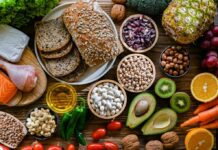
Dark leafy greens like spinach, kale, and collard greens provide the highest natural concentrations of these protective antioxidants. Egg yolks from pasture-raised chickens offer highly bioavailable forms that the body absorbs efficiently. Corn, orange peppers, and certain squash varieties also contain meaningful amounts for those maintaining varied diets.
Supplement manufacturers now offer concentrated lutein and zeaxanthin formulations for individuals whose diets fall short of optimal levels. Healthcare professionals recommend daily intake ranges between 10-20 milligrams of lutein and 2-4 milligrams of zeaxanthin for maximum protective benefits. These supplements provide insurance against deficiency in our processed-food culture that often lacks nutrient-dense whole foods.
Sources:
Lutein and Zeaxanthin Research – PMC
Lutein and Zeaxanthin Benefits, Sources, Dosage – MindBodyGreen
Carotenoids and Eye Health Research – PMC
Lutein and Zeaxanthin Guide – Healthline
Lutein Health Benefits – Cleveland Clinic
Beta-Carotene Health Benefits – WebMD
Benefits of Antioxidants for Health – Vale Laser Clinic
Antioxidants for Eye Health – Nature’s Best