
New York State has confirmed the first locally acquired case of the chikungunya virus in the US since 2019.
Story Snapshot
- First locally acquired chikungunya case in the US since 2019.
- No evidence of ongoing transmission or infected mosquito pools.
- Public health preparedness is crucial, even in temperate regions.
- Health authorities continue to emphasize mosquito surveillance and prevention.
Chikungunya Case Confirmed in New York
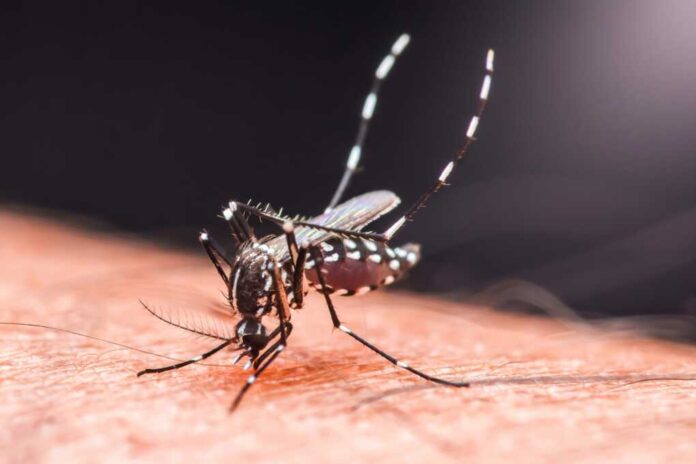
In October 2025, New York State health officials confirmed a locally acquired case of chikungunya virus in a resident of Nassau County, Long Island. The individual had not traveled internationally, indicating local transmission by Aedes albopictus mosquitoes. This marks the first such case in New York and the US since 2019. Health authorities stress that the public risk is low due to cooler weather and no evidence of ongoing transmission.
The infected individual developed symptoms in early August 2025, and the case was publicly confirmed in mid-October after laboratory testing. Despite the isolated nature of the case, it underscores the importance of vigilance in monitoring vector-borne diseases, even in regions not traditionally associated with tropical viruses.
Watch:
Historical Context of Chikungunya
Chikungunya, a mosquito-borne viral disease, was first identified in Tanzania in 1952. Primarily transmitted by Aedes aegypti and Aedes albopictus mosquitoes, it is endemic in tropical and subtropical regions. The US saw its first locally acquired cases in Florida in 2014. Since then, sporadic cases have occurred, mainly linked to international travel, with the last local transmission recorded in 2019.
In 2025, outbreaks in Cuba and China prompted the CDC to issue warnings for increased vigilance. Despite the presence of Aedes albopictus mosquitoes in Nassau County, routine surveillance has not detected chikungunya virus in local mosquito pools, supporting the assessment of low ongoing transmission risk.
Chikungunya virus: New York confirms first locally acquired case in US since 2019 https://t.co/yPbmBclPeF #usa #feedly
— Music World 360 (@MusicWorld360x) October 15, 2025
Authorities and Public Health Response
The New York State Department of Health and Nassau County officials have led the public health response, confirming the case and conducting local investigations. The Wadsworth Center, New York’s state laboratory, performed confirmatory testing. The Centers for Disease Control and Prevention (CDC) continues to monitor national surveillance and issue public guidance.
Public health messaging emphasizes mosquito bite precautions, particularly during the mosquito season. The State Health Commissioner and Nassau County Health Commissioner have reiterated the importance of preventive measures and have assured the public that there is no current evidence of further local transmission.
Implications and Expert Perspectives
The short-term implications of the case include heightened public awareness, increased mosquito surveillance, and preventive messaging. Long-term, there is a potential for future local transmission if climate conditions change or vector populations expand. Experts stress the importance of continued surveillance and public education to prevent the spread of mosquito-borne diseases.
Health officials agree that while the risk is currently low, the case serves as a reminder of the potential for these diseases to emerge in new areas. Chikungunya rarely causes death but can lead to prolonged joint pain, particularly affecting vulnerable populations. The presence of competent mosquito vectors and an infected individual are prerequisites for local transmission, highlighting the need for ongoing vigilance.
Sources: