

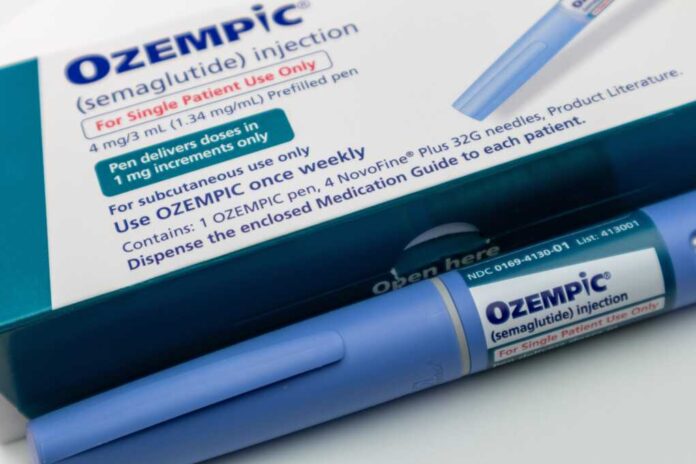
The biggest revolution in diabetes care tonight isn’t about lowering your blood sugar—it’s about rewriting the odds for your heart, and the twist is hiding in a class of drugs that once played a supporting role.
Story Snapshot
- GLP-1 receptor agonists cut major cardiovascular events—like heart attack and stroke—in diabetes and high-risk patients, changing standard treatment.
- Their heart-protective effect works even beyond weight loss and blood sugar control, upending old assumptions.
- Clinical guidelines now recommend these drugs for cardiovascular risk, but cost and access spark fierce debate.
- Ongoing studies and real-world data point to broader benefits, yet some questions remain for non-diabetic patients.
How a Diabetes Drug Became a Cardiovascular Game-Changer
GLP-1 receptor agonists (GLP-1 RAs) began as a solution for controlling blood sugar in type 2 diabetes. Their mechanism mimics a natural hormone—GLP-1—that signals the pancreas to release insulin and curb glucagon, which together lower glucose. Early trials focused squarely on metabolism. But after previous diabetes drugs like rosiglitazone raised alarms about heart risks, regulators demanded new drugs prove their cardiovascular safety before hitting the market.
Landmark trials soon followed—LEADER for liraglutide, SUSTAIN-6 for semaglutide, REWIND for dulaglutide. Each showed that GLP-1 RAs did more than just lower A1c: they cut the risk of major adverse cardiovascular events (MACE) like heart attack and stroke. The SELECT trial, published in 2023, took things further, proving semaglutide reduced heart risks by 20% even in overweight patients without diabetes. Suddenly, a diabetes drug had stepped into the spotlight as a cardiovascular hero.
Watch: How GLP-1s Provide New Options to Manage Heart Disease
Why Cardiologists and Endocrinologists Call GLP-1 RAs a Game-Changer
Cardiovascular disease is the leading killer among people with diabetes. Traditional tools—statins and blood pressure medications—have reached their ceiling. GLP-1 RAs changed the calculus. Not only did they lower blood sugar and help with weight, but crucially, their heart benefits held up even when accounting for weight loss and glycemic control. Recent real-world studies confirm these findings, showing fewer hospitalizations and deaths among heart failure patients with diabetes and obesity who take GLP-1 RAs. The American College of Cardiology, American Diabetes Association, and European Society of Cardiology—have updated their guidelines to push GLP-1 RAs into the front lines for high-risk patients.
Access, Cost, and the Debate That Could Shape the Future
GLP-1 RAs are expensive drugs, and insurance coverage is inconsistent. As more patients seek them for heart protection—not just diabetes or weight loss—debates over cost, equity, and healthcare spending intensify. Some experts warn that unless insurers and policymakers address these barriers, the promise of reduced cardiovascular deaths could slip out of reach for underserved groups. The pharmaceutical industry is rapidly expanding indications, but payers face mounting pressure to justify high prices.
Where the Evidence Stands—and What’s Still Unknown
The SELECT trial and its predecessors provide strong evidence for major reductions in heart attack and stroke risk. But some uncertainties linger, especially regarding their use in non-diabetic populations. Long-term safety in broader groups and the precise magnitude of benefit outside diabetes are still under investigation.
With updated guidelines now in place, the next wave of real-world studies will determine how far these benefits extend—and whether the initial promise can be fully realized across diverse patient populations. For now, the consensus among experts is clear: GLP-1 RAs have changed the standard of care, but the story is still unfolding.
Sources:
GLP-1 Receptor Agonists and Cardiovascular Disease in Diabetes
New Potential for GLP-1 RA Medications Unlocking Heart Health
GLP-1 Drugs Reduce Risk of Death in Patients with Heart Failure
Weight-Loss Drug Helps Heart Regardless of Amount of Weight Lost
GLP-1 Receptor Agonists and Cardiovascular Outcomes
Weight-Loss Drugs Protect Heart Patients, Study Suggests
GLP-1 Studies Add to Growing Body of Evidence Demonstrating Significant Cardiovascular Benefits
American College of Cardiology Issues Guidance on Weight Management Drugs