

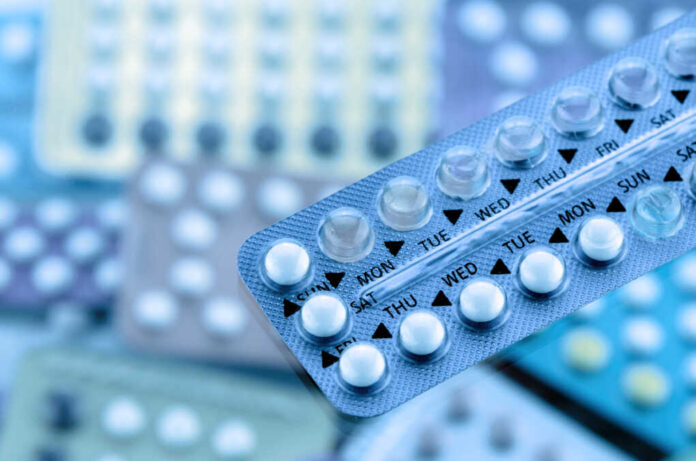
$9.7 million contraceptives sit rotting in a Belgian warehouse while over a million African women face critical shortages that could have been prevented with a simple policy reversal.
Story Snapshot
- $9.7 million in unexpired U.S.-purchased contraceptives stranded in Belgium after USAID program defunding
- Over 1.4 million women and girls in sub-Saharan Africa denied access despite urgent need
- U.S. announced plans to incinerate supplies, spending additional $167,000 on destruction
- Belgian authorities confirm stockpile remains intact despite conflicting U.S. claims of destruction
- Multiple NGOs offered to purchase and redistribute supplies but were rejected by U.S. officials
The Bureaucratic Maze That Created a Humanitarian Crisis
The Trump administration’s foreign aid freeze created an unprecedented logistical nightmare. USAID had purchased millions of dollars in contraceptives specifically for distribution across sub-Saharan Africa through established family planning programs. When these programs faced sudden defunding, the supplies became stranded in European warehouses, transforming from lifesaving medical supplies into bureaucratic baggage. The contraceptives remain unexpired and medically sound, yet U.S. officials cite legal and logistical barriers preventing their redistribution.
This situation exposes fundamental flaws in how America manages foreign aid logistics. The same government that spent taxpayer money purchasing these supplies now plans to spend additional funds destroying them. Belgian environmental regulations initially blocked incineration plans, creating a temporary reprieve that humanitarian organizations hoped to leverage into a permanent solution.
Watch:
The Human Cost of Policy Paralysis
Countries across sub-Saharan Africa including the Democratic Republic of Congo, Kenya, Tanzania, Zambia, and Mali face severe contraceptive shortages directly linked to USAID program closures. Health systems already stretched thin cannot absorb the supply gap left by American withdrawal. The immediate consequences manifest in increased unintended pregnancies, higher rates of unsafe abortions, and preventable maternal deaths among the world’s most vulnerable populations.
Sarah Shaw from Marie Stopes International captured the absurdity perfectly: “Nobody benefits by this product being burned. It’s an environmental disaster, it’s a human rights disaster, it’s just a catastrophe on every single level.” Local health providers who once relied on steady USAID supplies now ration remaining stock while watching prevention programs collapse.
NPR: A stock of U.S.-bought birth control, meant for sub-Saharan Africa, goes bad in Belgium https://t.co/O09OpyUSOI
— xalfeed (@xalfeed) November 15, 2025
The Great Destruction Deception
U.S. officials announced in July 2025 that incineration would proceed, budgeting $167,000 for destruction costs. However, Belgian authorities conducted on-site inspections in September and confirmed the entire stockpile remains intact in warehouses. This contradiction raises serious questions about transparency and accountability in American foreign aid administration. Either U.S. officials deliberately misled the public about destruction progress, or they lack basic oversight of their own logistics operations.
Multiple reputable NGOs including Doctors Without Borders, International Planned Parenthood Federation, and Marie Stopes International offered to purchase the supplies and handle distribution themselves. These organizations possess established networks, regulatory approvals, and immediate distribution capabilities across affected African regions.
Sources:
Unconscionable: US plan to destroy $9.7 million of contraceptives
The U.S. said it would burn $9.7 million of birth control. Its fate is still unclear
Has US contraceptives stockpile stored in Europe been destroyed?