

What if the answer to your thinning hair isn’t a miracle serum or pricey pills, but a basket of groceries stacked with foods you’ve probably walked past for years?
Story Snapshot
- Leading medical experts now emphasize grocery lists over supplement bottles for hair loss prevention.
- New research reveals specific foods can target both scalp health and the hormone DHT, a key player in hair thinning.
- Over-supplementation can backfire, making a balanced, food-based approach safer and smarter.
- The most effective dietary tweaks for hair loss are refreshingly accessible and grounded in clinical science.
The Grocery Cart as Your Hair’s Best Defense
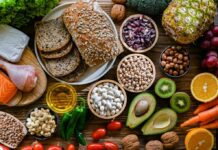
Walk down the supermarket aisles and you’ll find more than comfort food and guilty pleasures—you’ll find the frontline of the fight against hair loss. Your shopping list could influence the thickness, strength, and resilience of your hair more than any supplement. Over two decades, nutritional science has shifted, showing that protein, iron, zinc, omega-3s, and antioxidants are not just for heart health—they’re critical for keeping hair rooted and growing.
Eggs, Greek yogurt, lentils, spinach, and salmon have quietly become the superstars of the hair health world. Unlike trendy supplements that promise much but sometimes deliver side effects, these whole foods provide what hair follicles crave. Protein forms the building blocks of each strand. Iron and zinc feed the scalp’s microcirculation. Omega-3s calm inflammation that quietly sabotages growth. The evidence is clear: load your cart with these, and you’re building a foundation for stronger, fuller hair.
Watch:
Beyond Supplements: The Rise—and Risks—of Food-First Solutions
Supplement aisles teem with bottles labeled “hair, skin, and nails,” but experts warn that overdoing it can cause more harm than good. Clinical research links excess selenium, vitamin A, and vitamin E to the very hair loss they claim to prevent. This has led the Cleveland Clinic, American Academy of Dermatology, and leading nutritionists to turn their focus to the grocery store. Their message is direct: prioritize whole foods over pills unless a doctor diagnoses a deficiency. This change reflects a broader trend as consumers, wary of empty promises and unwanted side effects, demand safer, evidence-backed solutions.
The DHT Dilemma: Can Dinner Block the Balding Hormone?
Recent years have seen a surge of interest in DHT, the hormone notorious for shrinking hair follicles and fueling androgenic hair loss. Here’s where diet gets even more intriguing. Preliminary studies suggest that certain foods—green tea, pumpkin seeds, onions, turmeric—may help modulate DHT levels. While animal and laboratory research shows promise, experts urge caution: human trials are limited, and no single meal can guarantee a DHT blockade. Still, incorporating these foods into a varied diet could offer an extra layer of defense, particularly when paired with the essentials like protein and iron.
Expert Consensus and the Future of Hair-Healthy Eating
Leading dermatologists and nutrition researchers now agree that the best way to support hair growth is through everyday foods rich in protein, iron, zinc, omega-3s, and antioxidants. This advice is grounded in robust studies and clinical guidelines from respected institutions. Diverse perspectives acknowledge that genetics and underlying health conditions can limit the impact of diet alone.
The broader impact is already visible. Grocery stores are seeing increased demand for nutrient-dense foods linked to hair health. Health pros collaborate across specialties to refine and personalize these recommendations. For consumers, the message is empowering: you hold the power over your hair’s future with every trip to the market.
Sources:
Odele Beauty: What to Eat for a Healthy Scalp
Cleveland Clinic: Food for Hair Growth
NIH: Nutrition and Hair Health
NIH: Adverse Effects of Over-Supplementation
Naturopathic Physicians: Physician-Approved Grocery List