
Lead—the one element you never expected to find in your morning protein shake—may be lurking in your pantry at levels that would make a chemist’s eyebrow rise.
Story Snapshot
- Over two-thirds of popular protein powders and shakes sold in the US contain lead above Consumer Reports’ safety threshold.
- Plant-based protein powders top the list for contamination, some exceeding lead concern levels by over 1,600%.
- Lack of enforceable federal regulations means supplement manufacturers largely police themselves.
- Industry and regulators clash over what constitutes “safe” exposure, while consumer trust teeters on the edge.
Protein Powders: A Health Craze in the Crosshairs
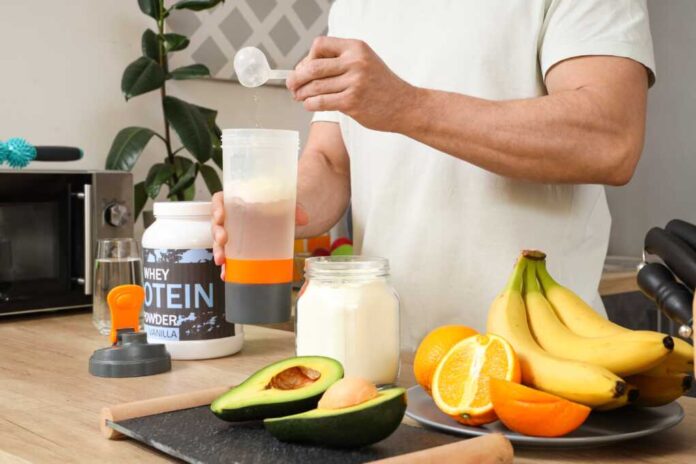
American pantries are overflowing with protein powders, riding a decades-long wave of health-conscious enthusiasm. Athletes, busy professionals, and those with dietary restrictions have all embraced the convenience and promise of a protein boost. Yet, beneath the glossy labels and celebrity endorsements, the reality is less appetizing: a Consumer Reports investigation revealed that most protein powders and shakes tested between November 2024 and January 2025 contained lead—often at levels far exceeding the organization’s own safety threshold.
Plant-based products, in particular, emerged as the worst offenders. Some servings contained up to 1,600% of Consumer Reports’ lead concern level, a statistic that instantly turned “all-natural” and “vegan” claims from selling points into warning labels. The contamination is not a new phenomenon: a similar CR investigation in 2010 sounded alarms, but a lack of regulatory action allowed the issue to fester.
Watch:
How Lead Finds Its Way into Your Morning Shake
Heavy metals like lead, cadmium, and inorganic arsenic don’t sneak into protein powders by accident. They are naturally present in soil and water, absorbed by plants that form the backbone of many protein supplements. Environmental contamination, agricultural practices, and global supply chains all play a role, but without mandatory testing or clear federal standards, manufacturers can sell products that would never pass scrutiny if they were classified as food or beverages. The Clean Label Project’s whitepaper reinforced this reality, finding that nearly half of protein powders tested exceeded at least one federal or state safety standard for heavy metals, echoing CR’s findings and adding urgency to the call for reform.
The Regulatory Vacuum: Why No One Is Watching the Watchmen
Consumer Reports’ October 2025 exposé did more than reveal a health risk; it shone a glaring light on regulatory neglect. The FDA, while acknowledging the findings and promising to review them, has not set specific limits for heavy metals in supplements. The Environmental Protection Agency sets reference levels for food and water—not for the powders and shakes that millions ingest daily. Manufacturers, for their part, highlight their adherence to existing guidelines, but these are often voluntary or outdated, leaving ample room for interpretation and evasion. The result: a regulatory vacuum where industry interests often dictate safety standards.
What Happens Next: The Future of Supplement Safety
The fallout from the CR investigation is still unfolding. No recalls have been issued as of November 2025, and the FDA’s promise to review the data has not yet translated into concrete action. Industry responses range from defensive statements to pledges of voluntary testing, but without enforceable standards, meaningful change remains elusive. The public debate rages on, fueled by media coverage and a groundswell of consumer concern.
Long-term, the scandal may prove a catalyst for reform. Heightened scrutiny could prompt the FDA to set enforceable limits for heavy metals in supplements, or at least require mandatory testing and transparent labeling. Manufacturers, keen to restore trust and maintain market share, may adopt stricter sourcing and quality assurance protocols. But until then, the risks persist—especially for daily users who, in seeking health, may be courting harm.
Sources: