
A quiet recall of more than a million bags of shredded cheese and other snacks exposes how fragile our food supply chain really is for everyday families.
Story Snapshot
- Over 1.5 million bags of store-brand shredded cheese have been recalled for possible metal fragments, alongside ice cream and snack products.
- The recall spans more than 30 states and Puerto Rico, hitting budget-conscious shoppers who rely on private-label groceries.
- FDA data shows a 200% surge in recalls in 2025, raising questions about regulation, corporate shortcuts, and consumer protection.
- Conservative households can take practical steps to protect their families and push back against opaque corporate practices.
Massive Shredded Cheese Recall Hits Store-Brand Staples
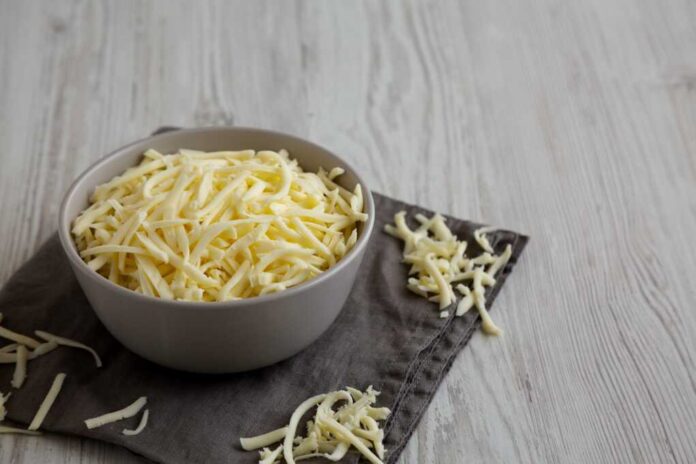
Great Lakes Cheese Co. quietly pulled more than 1.5 million bags, or over 250,000 cases, of shredded cheese from shelves after discovering potential metal fragments in the product. The affected bags were sold under store brands at major chains including Walmart, Target, Aldi, Publix, Sprouts, H‑E‑B, and several regional grocers, covering low‑moisture part‑skim mozzarella, Italian blends, pizza mixes, and mozzarella‑provolone combinations with best‑by dates in early 2026. For families stretching grocery budgets, these are exactly the affordable staples they toss into weekly carts.
Federal regulators classified the shredded cheese action as a Class II recall, meaning the risk is officially labeled as causing temporary or medically reversible harm rather than life‑threatening illness. Yet for consumers, the idea of biting into metal hidden in a bag of discounted cheese is hardly “minor.” Reports note the recall originated as a voluntary move with the FDA in October 2025, then appeared publicly later through an enforcement report rather than a high-profile company announcement, leaving many shoppers unaware products in their refrigerators might be affected.
Watch:
Ice Cream, Snack Crackers, And A Wave Of Recalls
The cheese incident did not occur in isolation; it landed amid a broader cluster of recalls that also swept up multiple ice cream brands and snack crackers. Consumer outlets highlighted concerns tied to contaminated frozen treats and problematic snacks in the same news cycle, bundling them into “recalls you need to know about this week” lists. That pattern underscores how a single manufacturing issue or contamination scare can ripple simultaneously across different comfort foods, from pizza toppings to dessert, and into pantries and freezers nationwide.
Regulators, Corporations, And The Information Gap
The FDA runs public portals where recalls, enforcement reports, and outbreak data are posted, and journalists increasingly mine those databases to alert consumers. In the shredded cheese case, coverage emphasized that the company did not issue a traditional press release, so much of the alert filtered out only after the enforcement report appeared.
That kind of quiet communication gap leaves working families at a disadvantage, checking receipts and lot codes on their own while regulators and corporate lawyers handle the paperwork behind closed doors. Robust recall databases are useful, but they are only as effective as the communication strategy around them.
Protecting Your Family In An Era Of Recall Fatigue
With recall alerts now popping up weekly, many Americans understandably tune them out, a risk experts warn could blunt the impact of urgent Class I notices tied to deadly pathogens like Listeria or Salmonella. For conservative households anchored in personal responsibility, the answer is not more panic but smarter vigilance. That starts with periodically checking your fridge and pantry against current FDA and FoodSafety.gov recall lists, especially for store-brand cheeses, frozen desserts, and snacks bought in bulk during sales or holidays.
5 Recalls to Know About Right Now—Cheese, Ice Cream and More https://t.co/J3eMXUd7Mk
— Ginger Geronimo (@gin2772) December 6, 2025
It also means pressing retailers and manufacturers for clearer communication when something does go wrong. Private-label suppliers profit from volume and anonymity; they should not be allowed to hide behind generic branding when their production lines trigger multi-state recalls. In an economy still wrestling with inflation, families should not have to choose between affordability and safety.
Got a health question? Ask our AI doctor instantly, it’s free.
Sources:
Over 250,000 Cases Of Shredded Cheese Recalled Due To Metal
Over 1.5 Million Bags of Shredded Cheese Recalled, FDA Reports
Latest Cheese Recalls Get FDA’s Most Serious Warning
Recalls, Market Withdrawals, & Safety Alerts
3 Food Recalls You Need To Know About This Week
FoodSafety.gov Recalls & Outbreaks