
Three simple post-meal strategies can slash your blood sugar spikes more effectively than medication alone, transforming how your body handles every bite you take.
Story Overview
- Fifteen minutes of light walking after eating cuts post-meal glucose spikes better than longer exercise sessions
- Eating vegetables and protein before carbohydrates reduces blood sugar and insulin responses by up to 30%
- The diabetes plate method limits carbs to one-quarter of your plate, naturally controlling portion sizes
- These dietitian-backed tactics work immediately and require no special equipment or dramatic diet overhauls
Movement Beats Medications for Immediate Relief
Clinical studies reveal that a brief 15-minute walk after eating delivers more powerful blood sugar control than a single longer workout. Health systems now prioritize this finding because the timing matters more than intensity. Even simple activities like doing dishes, walking the dog, or light household chores trigger the same glucose-lowering benefits that help your muscles absorb excess sugar from your bloodstream.
The secret lies in muscle contraction during the critical post-meal window when glucose floods your system. Your muscles become glucose vacuums, pulling sugar from blood without requiring additional insulin. This mechanism works regardless of fitness level, making it accessible for people who struggle with traditional exercise programs or have mobility limitations.
Watch:
https://youtube.com/shorts/XY0rBdaDXD8?si=wSa7HZLHdNS64ryc
Got a health question? Ask our AI doctor instantly, it’s free.
Food Order Rewrites Your Body’s Glucose Response
Japanese researchers discovered that eating vegetables and protein before simple carbohydrates fundamentally alters how your digestive system processes meals. UCLA Health reports this sequence creates a fiber-rich matrix in your stomach that slows carbohydrate absorption, preventing the sharp glucose spikes that leave you exhausted and craving more food within hours.
The mechanism resembles a natural time-release system for carbohydrates. Fiber and protein form a gel-like barrier that moderates how quickly starches and sugars enter your bloodstream. This biological hack works with any meal composition, whether you’re eating pasta, rice, or bread, simply by rearranging the order you consume different foods on your plate. Start your health journey in under a minute.
The Quarter-Plate Rule Transforms Portion Psychology
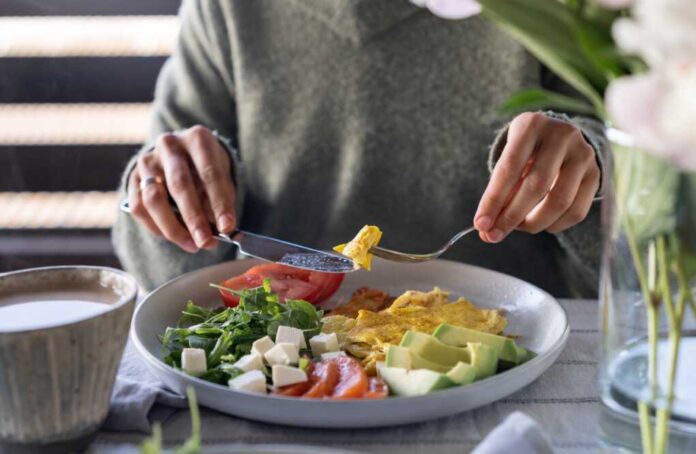
Dietitians champion the diabetes plate method because it eliminates complex carbohydrate counting while naturally controlling blood sugar responses. The visual system designates half your plate for non-starchy vegetables, one-quarter for lean protein, and restricts carbohydrate foods to the remaining quarter. This proportion automatically limits carbs to roughly 30-45 grams per meal, the sweet spot for preventing dangerous glucose excursions.
The psychological advantage proves as important as the metabolic benefits. People struggle with abstract concepts like “moderate your carbs” but readily understand visual plate divisions. Hospital nutrition programs report higher patient compliance with plate-based guidance compared to traditional calorie counting or complex meal planning systems that overwhelm busy adults managing diabetes alongside work and family responsibilities.
Watch:
https://youtube.com/shorts/OZKHPpddqzM?si=Ni1XrkG4KxEd3bXc
Your instant doctor companion – online 24 hours a day.
Sources:
6 Simple Ways to Prevent Blood Sugar Spikes After Meals
Eating Certain Order Helps Control Blood Glucose
What Are the Best and Worst Foods to Balance Blood Sugar
Nutritional Considerations in Type 2 Diabetes Mellitus
What is the Diabetes Plate
Those Bothersome Blood Sugar Spikes After Meals
How to Control Blood Sugar with Diet