
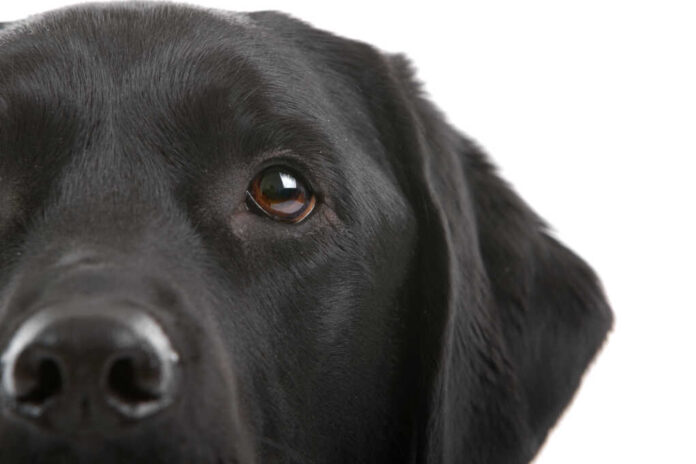
Two dogs have achieved something that modern medicine’s most sophisticated tests cannot: detecting Parkinson’s disease up to 20 years before the first tremor appears.
Story Snapshot
- Golden Retriever “Bumper” and Black Labrador “Peanut” detected Parkinson’s in skin samples with 98% accuracy
- Dogs identified the disease by scent alone in a rigorous double-blind study before any motor symptoms appeared
- This breakthrough could revolutionize early diagnosis for a disease affecting 10 million people worldwide
- Current Parkinson’s diagnosis relies on visible symptoms that appear decades after brain damage begins
When Science Meets Man’s Best Friend
Medical Detection Dogs, a UK charity, partnered with universities at Bristol and Manchester to tackle one of neurology’s most stubborn problems. Parkinson’s disease destroys brain cells for decades before patients experience their first tremor or shuffle. By the time doctors can confidently diagnose the condition, roughly 80% of dopamine-producing neurons have already died.
The research team spent 38 to 53 weeks training Bumper and Peanut to recognize the distinctive scent signature hidden in sebum, the oily substance our skin produces. Parkinson’s patients generate excess sebum with altered chemical compounds that create an invisible olfactory fingerprint.
The Rigorous Science Behind Wet Noses
The double-blind trial eliminated any possibility of human bias or unconscious cues. Neither the dogs nor their handlers knew which samples came from Parkinson’s patients versus healthy controls. The canines had to identify disease markers in tiny sebum swabs collected from participants’ backs, with no other information to guide them.
Results exceeded researchers’ expectations. The dogs achieved 80% sensitivity in detecting true Parkinson’s cases and 98% specificity in correctly identifying healthy individuals. This performance rivals or surpasses many conventional medical tests, accomplished through nothing more sophisticated than a dog’s natural scenting ability.
What Dogs Smell That Doctors Cannot Detect
Claire Guest, CEO of Medical Detection Dogs, explains the breakthrough’s significance: “There is currently no early test for Parkinson’s disease and symptoms may start up to 20 years before they become visible and persistent leading to a confirmed diagnosis.” The dogs detect volatile organic compounds in sebum that change as neurodegeneration progresses, long before motor symptoms manifest.
This discovery builds on previous anecdotal evidence of dogs detecting Parkinson’s, but represents the first large-scale, controlled validation of canine diagnostic capability. The research team used drug-naive patients to ensure medications didn’t influence scent profiles, strengthening the study’s reliability and real-world applicability.
The Path From Paws to Practice
Early Parkinson’s detection could transform patient outcomes by enabling interventions before irreversible brain damage occurs. Current treatments work better when started sooner, and future neuroprotective therapies will likely prove most effective in pre-symptomatic stages when more brain cells remain intact.
The research opens two potential paths forward. Medical facilities could integrate trained detection dogs into screening programs, though this approach faces scalability challenges. Alternatively, scientists could identify the specific volatile compounds dogs recognize, then develop electronic sensors or laboratory tests that replicate canine detection capabilities without requiring four-legged diagnosticians.
Sources:
Dogs’ Noses Detect Parkinson’s Disease – The Pathologist
Dogs can detect Parkinson’s years before symptoms—with 98% accuracy – ScienceDaily
Dogs can sniff out Parkinson’s disease, study shows – Powers Health