
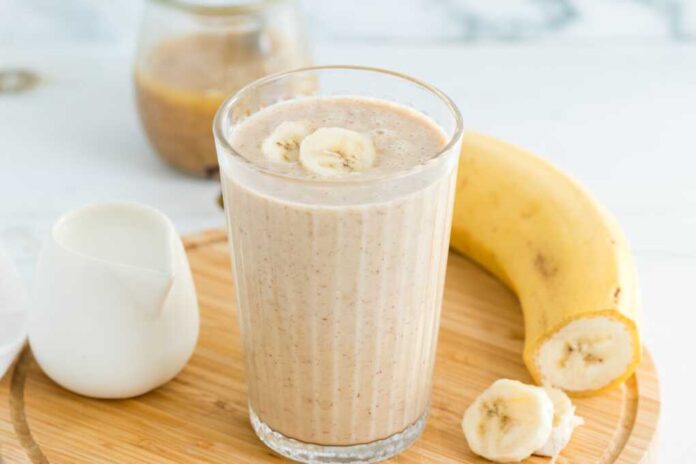
One innocent banana can sabotage the health punch you expect from a smoothie, leaving most people shocked to discover that it could slash your absorption of vital nutrients by a staggering 84%.
Story Snapshot
- UC Davis and University of Reading research reveals banana smoothies block flavanol absorption by 84%.
- Flavanols are critical for brain and heart health, with daily targets set by major nutrition authorities.
- The culprit is the polyphenol oxidase enzyme, which remains active during digestion and neutralizes flavanols.
- Experts now recommend swapping bananas for low-enzyme fruits like pineapple, mango, or yogurt to maximize benefits.
Bananas Are the Smoothie Villain Nobody Saw Coming
Researchers at UC Davis and the University of Reading flipped the script on common smoothie wisdom. Instead of a superfood boost, the addition of a single banana to a fruit smoothie slashed the absorption of flavanols—compounds linked to memory, heart health, and longevity—by a jaw-dropping 84%.
The science is clear: the culprit is the polyphenol oxidase enzyme, famously responsible for fruit browning. Researchers hypothesized that if this enzyme is powerful enough to brown a banana instantly, it might also be powerful enough to neutralize the flavanols found in berries, apples, and cocoa. Their controlled study confirmed that the enzyme remains active in the stomach, effectively sabotaging the health benefits of flavanol-rich ingredients even after digestion begins.
Watch: Banana is DESTROYING your smoothies? Scientist Fact-Checks | Fact or Fad?
The Shocking Mechanism Behind Nutrient Loss
Polyphenol oxidase (PPO) is the enzyme in question. When a banana is blended into a smoothie, PPO springs into action, reacting with flavanols and rendering them almost useless to your body. Lead researcher Dr. Javier Ottaviani expressed genuine surprise at the magnitude: “We were really surprised to see how quickly adding a single banana decreased the level of flavanols in the smoothie and the levels of flavanol absorbed in the body.”
Registered dietitian Lauren Manaker explains that PPO’s destructive work doesn’t stop at the blender. It continues in the stomach, actively interfering with flavanol absorption during digestion. Even eating the banana after the smoothie doesn’t undo the damage. The result is a nutritional paradox: the same fruit that adds creaminess and potassium can strip away the very compounds most health-conscious consumers hope to gain from their berry blends.
Nutritional Science Faces a New Paradox
For decades, bananas have reigned as the default smoothie base, prized for their texture, affordability, and sweetness. Yet, cardiovascular and cognitive health experts have long touted flavanols as dietary gold, advising adults to consume 400-600 milligrams daily. Berries, apples, and cocoa are rich sources, and the Academy of Nutrition and Dietetics has quantified these targets for practical guidance.
The new findings upend conventional wisdom, revealing that food combinations can matter as much as the ingredients themselves. Older adults and those managing heart health are especially affected, given the link between flavanol deficiency and cognitive decline. Nutritionists and smoothie shops may face a wave of reformulation, as consumers seek to maximize flavanol intake—and avoid nutritional sabotage.
Sources:
Delish
Iz.ru
ScienceDaily
MoneyControl
SciTechDaily
UC Davis Nutrition
University of Maine Extension