

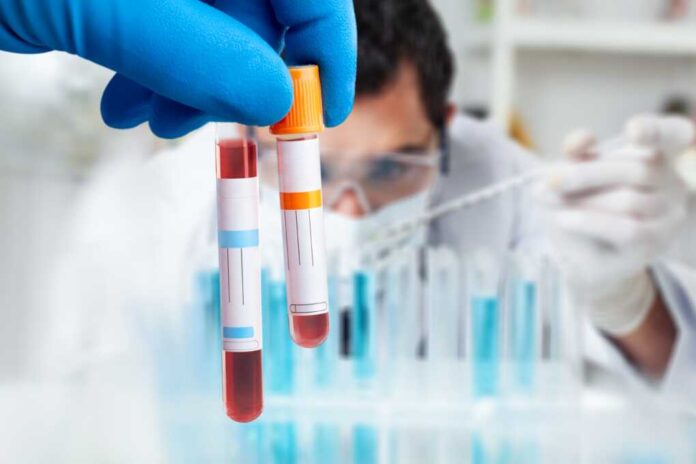
Scientists have discovered that fragments of DNA floating freely in your bloodstream may predict how quickly you’ll become frail as you age.
Key Points
- Circulating cell-free DNA fragments from dying cardiovascular cells correlate with frailty development in older adults
- Higher levels of these DNA fragments indicate faster progression toward physical decline and memory problems
- The discovery offers a potential early warning system for age-related deterioration
- Research suggests cellular death in the cardiovascular system may drive broader aging processes
The Hidden Messages in Your Blood
Every day, millions of cells throughout your body die and release their DNA into your bloodstream. These microscopic fragments, called circulating cell-free DNA, drift through your circulatory system like genetic confetti from a cellular funeral. For years, scientists knew these fragments existed, but recent research by geriatrician Dr. Lolita Nidadavolu reveals they carry crucial information about your aging trajectory.
The cardiovascular system appears to be sending distress signals long before you notice any symptoms. When heart and blood vessel cells die at accelerated rates, they release distinctive DNA signatures that researchers can now identify and measure. These molecular markers don’t just indicate current health status—they predict future decline.
Frailty’s Genetic Fingerprint
Frailty isn’t simply feeling tired or moving slower; it’s a measurable medical condition characterized by decreased strength, endurance, and physiological function. The syndrome increases vulnerability to stressors and predicts disability, hospitalization, and mortality. Traditional assessment requires physical testing and clinical evaluation, but the DNA fragment discovery could revolutionize early detection.
Dr. Nidadavolu’s research demonstrates that older adults with elevated levels of cardiovascular-derived cell-free DNA develop frailty symptoms more rapidly than those with lower levels. The correlation extends beyond physical decline to include cognitive deterioration, suggesting these dying cells may trigger cascading failures across multiple body systems.
Watch:
The Cardiovascular Connection
Why does cardiovascular cell death predict overall frailty? The answer lies in understanding how interconnected your body systems truly are. Your cardiovascular network doesn’t just pump blood—it delivers oxygen and nutrients to every organ while removing waste products. When cardiovascular cells begin dying at abnormal rates, the entire supply chain becomes compromised.
This cellular deterioration creates a domino effect. Reduced cardiovascular efficiency means decreased oxygen delivery to muscles, leading to weakness. Compromised blood flow to the brain contributes to cognitive decline. The inflammatory response triggered by dying cells accelerates damage throughout the body, creating a self-perpetuating cycle of decline.
Got a health question? Ask our AI doctor instantly, it’s free.
Implications for Aging Prevention
The ability to detect frailty risk through a simple blood test could transform how we approach aging. Instead of waiting for symptoms to appear, doctors could identify high-risk individuals years earlier and implement targeted interventions. This proactive approach aligns with common-sense healthcare—addressing problems before they become crises rather than managing consequences after damage occurs.
The research also validates what many have long suspected: cardiovascular health serves as the foundation for overall wellness in aging. Maintaining heart and blood vessel health through exercise, proper nutrition, and lifestyle choices becomes even more critical when viewed through this genetic lens. The DNA fragments serve as an early warning system, but they also highlight the importance of cardiovascular prevention strategies.
Sources:
https://pubmed.ncbi.nlm.nih.gov/40235369/