
Imagine if your daily supplement routine could slash your risk of breast cancer before a tumor ever had a chance to grow—modern science says that the future is closer than you think.
Story Snapshot
- Recent meta-analyses point to vitamin D and omega-3s as genuine game-changers for breast cancer prevention.
- Experts are moving from generic advice to precision, personalized protocols for those most at risk.
- Supplements alone are not a magic bullet—they work best as part of a layered strategy with diet, exercise, and toxin reduction.
Supplements Enter the Breast Cancer Prevention Mainstream
For decades, breast cancer prevention focused on broad lifestyle changes—eat better, move more, get screened. That era is ending. In the wake of new scientific reviews, targeted supplements like vitamin D and omega-3 fatty acids have entered the clinical conversation. The latest wave of evidence, culminating in 2024’s major meta-analyses, has propelled these nutrients beyond the realm of “alternative” advice and into the mainstream of risk reduction strategies. This shift is not just academic; it is already influencing how clinicians and patients approach daily prevention.
Watch: Vitamin D & Breast Cancer: What the Latest Research Says | Dr. Sonja Bobart – YouTube
Science Behind the Shift: Evidence for Vitamin D, Omega-3s, and Curcumin
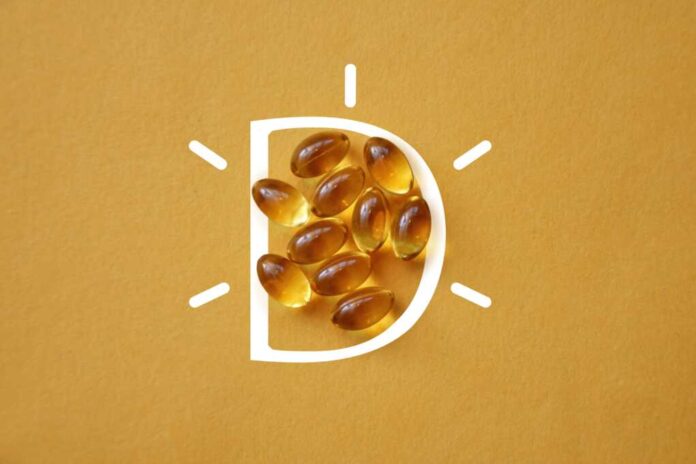
Vitamin D and omega-3 fatty acids are the headline acts for a reason. Large, well-conducted meta-analyses published in 2024 confirmed that both nutrients are associated with a statistically significant reduction in breast cancer risk. Some studies reported reductions of 15-20% in high-risk populations taking daily supplements within recommended ranges. The mechanisms are compelling: vitamin D modulates cell growth and immune response, while omega-3s reduce inflammation and may disrupt cancer cell proliferation. Emerging research on curcumin—especially with improved delivery systems—adds another layer of promise, though results remain less robust and warrant further validation.
Watch: Vitamin D The Game Changer In Cancer Prevention #shorts – YouTube
https://youtube.com/shorts/_dqv7jQsa_Q?si=Xg6LakfFpv7cY7Kh
Clinical Recommendations: From Evidence to Everyday Action
Clinical recommendations are catching up with the science. Practitioners specializing in functional and integrative medicine are now advising daily omega-3 supplementation (1,000–2,000 mg EPA/DHA) and individualized vitamin D dosing based on blood levels. These doses are not arbitrary; they align with the ranges supported by meta-analyses and are being incorporated into prevention protocols for women at elevated risk. The message from the clinic is clear—supplementation is most effective when layered with dietary improvements, exercise routines, and aggressive reduction of environmental toxins.
Traditional oncology voices, including the American Institute for Cancer Research and Cancer Research UK, maintain a cautious stance. They acknowledge the mounting evidence but stop short of endorsing widespread supplement use, citing the need for more randomized controlled trials and long-term follow-up data.
Broader Implications: Economic and Social Ripple Effects
The supplement revolution in breast cancer prevention is not happening in a vacuum. Economic stakes are rising as supplement manufacturers and functional medicine providers invest in research, product development, and patient education. Socially, the movement is empowering women—especially those at higher risk—to take active steps in their own prevention. Yet, disparities in access to personalized protocols and the cost of high-quality supplements may widen existing health gaps.
Sources:
PMC: The Role of Micronutrients and Supplements in Breast Cancer Prevention
Jill Carnahan: Revolutionary Breast Cancer Prevention Part 2
Cancer Research UK: Vitamins and Diet Supplements for Cancer
Frontiers in Nutrition: Functional Foods and Breast Cancer Prevention