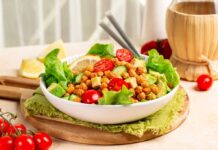


Brown rice is no longer the fiber king—there are seven surprising carb sources that deliver far more gut-friendly fiber per bite, and your digestive health may never be the same.
Story Snapshot
- Brown rice is outpaced by beans, seeds, veggies, and fruit for fiber content per serving.
- Shifting to higher-fiber carbs can help manage cholesterol, improve digestion, and reduce disease risk.
- Nutritionists and health organizations endorse diverse fiber sources, not just grains.
- Consumer demand for high-fiber foods is reshaping both grocery aisles and public health guidelines.
Challenging Brown Rice’s Reputation as the Fiber Champion
For years, brown rice has enjoyed a reputation as the wholesome grain—the “good carb”—that delivers more fiber than its pale cousin, white rice. With about 3.5 grams of dietary fiber per cup, it’s been the go-to choice for those seeking digestive regularity and a heart-healthy plate. But recent research and updated nutrition databases are shaking up this conventional wisdom. Brown rice is solid, but a host of other carb-rich foods pack more fiber per serving and bring extra health benefits to the table. Nutritionists, dietitians, and food scientists have started calling attention to overlooked contenders—beans, seeds, certain veggies, and even fruit. The implications ripple through dietary guidelines, grocery shopping, and everyday health choices.
Major health organizations such as the USDA and American Heart Association have updated their guidance to emphasize fiber variety. Their recommendations are clear: fiber isn’t just about grains, and meeting daily goals requires eating across food groups. The shift started gaining momentum around 2020, as gut health, cholesterol management, and chronic disease prevention emerged as top consumer priorities. The result? A new era in high-fiber eating—one that challenges the dominance of brown rice and spotlights lesser-known, fiber-rich carbs.
Seven Carbs That Surpass Brown Rice for Fiber
Top the list with beans—pinto, black, and kidney. Each packs between 5.7 and 7.7 grams of fiber in just half a cup, more than double what you’ll find in a cup of brown rice. Green beans join the ranks, delivering a whopping 8.3 grams per half cup cooked. Chia seeds, though tiny, supply 4.1 grams per tablespoon. Carrots surprise with 4.78 grams per cup, while raspberries offer 8 grams per cup. These foods not only help you reach daily fiber quotas, they also add vitamins, minerals, and phytochemicals brown rice lacks. The nutritional edge is clear, and the evidence is consistent across reputable sources such as WebMD, Oak Street Health, and ZOE. Fiber content can vary slightly depending on whether foods are measured cooked or raw, but the ranking holds up: beans, seeds, veggies, and fruit all outpace brown rice.
Consumers who prioritize gut health, cholesterol control, or blood sugar balance are advised to diversify their carb sources. Beans and lentils deliver both soluble and insoluble fiber, promoting satiety and healthy cholesterol. Chia seeds add omega-3s and micronutrients. Carrots and green beans bring antioxidants and carotenoids, supporting immune health. Raspberries offer not just fiber but a burst of vitamin C. These foods make it easier to hit the recommended 25–38 grams of fiber per day—something most Americans fall short of when relying on grains alone.
The High-Fiber Revolution: How Experts and Industry Respond
Nutritionists and registered dietitians now routinely recommend beans, lentils, chia seeds, and a mix of vegetables and fruit to clients seeking digestive health, weight management, or chronic disease prevention. The American Heart Association and major hospitals such as Mount Sinai echo these calls, urging the public to think beyond grains and embrace fiber-rich plant foods. Food manufacturers are responding with innovative products: canned beans, refrigerated lentil salads, chia seed snack bars, and frozen vegetable blends. Grocery stores are expanding their selection, making it easier for shoppers to find and incorporate these high-fiber options. The ripple effect reaches public health policy, with food labeling regulations now requiring clearer fiber content disclosures.
Media outlets highlight fiber content in their coverage of nutrition trends, and consumer guides increasingly rank foods by fiber per serving rather than simple carbohydrate content. Influential experts caution that fiber alone isn’t the whole story—overall nutrient profile, accessibility, and variety matter. However, the consensus is strong: diversifying fiber sources leads to better health outcomes, and brown rice is no longer the unchallenged champion it once was.
Impacts and Future Trends in High-Fiber Eating
Short-term effects include improved consumer awareness, changing grocery shopping habits, and rising sales of beans, seeds, and fiber-rich produce. Long-term, the shift promises lower rates of digestive disorders, heart disease, and obesity. Populations with limited access to diverse whole foods may face challenges, but public health campaigns and industry innovation are working to close these gaps. Economic impacts are visible in the growth of the fiber-fortified products market, while social shifts are reflected in changing food culture and dietary habits. Politically, the move toward fiber diversity influences food labeling, nutrition education, and public health priorities.
The broader industry—from healthcare to food manufacturing—has embraced the high-fiber revolution. Preventive nutrition is now front and center, and the humble brown rice finds itself surrounded by a colorful array of fiber-rich competitors. The message is clear for anyone seeking better health: look beyond grains, explore the diversity of plant-based carbs, and let fiber lead the way.
Sources:
Oak Street Health: 15 High-Fiber Foods