
One study has quietly upended what we thought we knew about COVID-19 in pregnancy: children born to infected mothers faced a small but measurable uptick in autism.
Story Snapshot
- Massachusetts General Hospital tracked over 18,000 pregnancies, revealing a modest link between in-utero COVID-19 exposure and later neurodevelopmental diagnoses, including autism.
- The risk was most pronounced in boys and when infection struck late in pregnancy, but remained low for individual children.
- Experts caution: the study shows association, not causation—most children born to mothers with COVID-19 are developing typically.
- Health authorities urge vigilance, vaccination, and ongoing research as pandemic-born children reach pivotal developmental milestones.
Large-Scale Study Finds Association, Not Proof
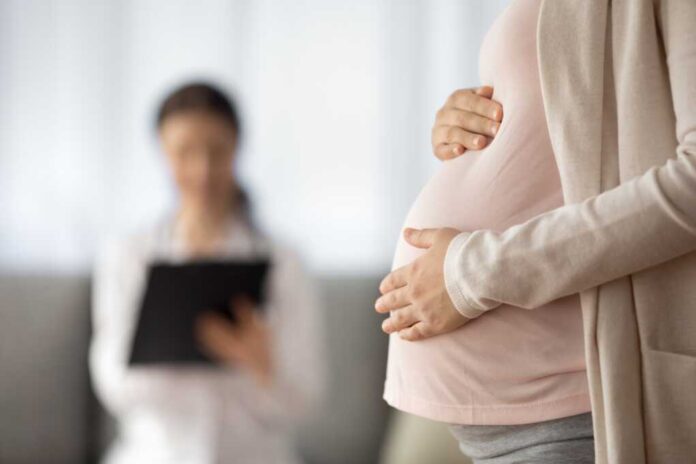
Researchers at Massachusetts General Hospital, led by Dr. Andrea Edlow, examined the medical records of more than 18,000 mother-child pairs. Every woman delivering at Mass General Brigham hospitals between March 2020 and May 2021 underwent universal COVID-19 testing, eliminating guesswork about exposure. Their findings: children exposed to COVID-19 in utero were modestly more likely to be diagnosed with autism spectrum disorder, speech delays, or motor delays by age three. The increase was statistically significant, especially in boys and when the infection occurred during the third trimester.
However, the study, published October 30, 2025, in Obstetrics & Gynecology, stops well short of claiming that the coronavirus directly causes these conditions. Instead, it highlights an association—one that aligns with decades of research on how maternal infections and immune responses can influence fetal brain development.
Is Covid during pregnancy linked to autism? What a new study shows, and what it doesn’t https://t.co/vakQ9vWqtx
— NBC DFW (@NBCDFW) November 5, 2025
Why the Findings Matter for Families, Doctors, and Public Health
The study’s strengths set it apart. Universal COVID-19 testing at delivery ensured accurate exposure data. Researchers adjusted for numerous confounders—maternal age, race, insurance, and preterm birth—strengthening the reliability of the results. This rigor offers parents and clinicians the clearest picture yet of how pandemic-era pregnancies may shape child development. The timing is critical: as children born in the early months of the pandemic reach age three, the window for diagnosing autism and other neurodevelopmental disorders opens. Pediatricians and developmental specialists, already alert to the needs of pandemic-born children, may face increased demand for screening and intervention services if these findings hold. Vaccination, masking, and prudent infection control are still the best tools for protecting both mother and child.
Watch:
What This Means for the Future: Open Questions and Practical Advice
Researchers and families alike are grappling with what comes next. The study’s results fit a long-established pattern: infections during pregnancy, including influenza and rubella, have previously been linked to increased neurodevelopmental risks in children. Animal studies and human epidemiology both suggest that maternal immune activation—a vigorous immune response to infection—can subtly alter fetal brain development. COVID-19, a novel virus with unique immunological effects, may act through similar pathways, but more research is needed to confirm this.
For now, the call to action is clear but measured. Pregnant women should continue to take steps to avoid infection, including vaccination, which remains safe and effective. Pediatricians are likely to increase developmental monitoring for children exposed to COVID-19 in utero, offering early intervention where needed. And researchers will keep tracking these children as they grow, asking whether the modest uptick in diagnoses seen at age three persists, increases, or fades over time.
Sources:
Powers Health
Advisory
News Medical
Mass General Brigham
KFF Health News
CBS News
UNMC Health Security