

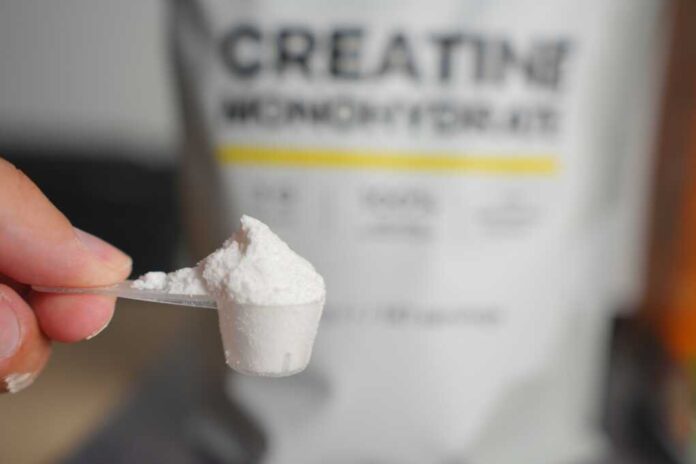
Could a gym supplement quietly become a breakthrough tool for fighting cognitive decline and Alzheimer’s?
Story Highlights
- Creatine, long used for muscle, is now being studied for brain health and cognition.
- New research in 2025 shows promise for creatine improving memory in Alzheimer’s patients.
- Experts caution that more rigorous studies are needed before creatine is widely recommended as a brain supplement.
- The supplement industry and healthcare providers are closely watching these developments for future impact.
Creatine’s Surprising Journey from Gym Staple to Cognitive Hope
Creatine has been a household name for decades, but only among fitness enthusiasts chasing muscle gains and faster recovery. Few outside the gym realized that creatine is a naturally occurring compound in the body, produced by the liver, kidneys, and pancreas, and found in everyday foods like red meat and fish. Its function as a muscle fuel is well documented. But in the early 2020s, researchers began asking a provocative question:
Could creatine also fuel the brain?
University Hospitals in June 2025 spotlighted this new angle, with neurologist Dr. Mohamed Elkasaby exploring the possibility that creatine supplementation might boost brainpower, particularly as people age. The supplement’s role in energy production intrigued scientists looking for ways to support cognition in older adults and those facing neurodegenerative diseases. At the same time, the public’s appetite for brain health solutions was surging, as headlines about Alzheimer’s and dementia dominated the news cycle.
Watch: How Creatine Boosts Brain Performance Under Stress | Rhonda Patrick, Ph.D. – YouTube
Emerging Evidence: Creatine and Brain Function
The University of Kansas Medical Center took the research further in 2025 with a pilot study targeting Alzheimer’s patients. Led by Dr. Matthew Taylor, the Creatine to Augment Bioenergetics in Alzheimer’s (CABA) study delivered early but promising results: Creatine supplementation appeared to improve cognitive function in patients whose memory and thinking skills were declining. This wasn’t just about sharper recall—it suggested that creatine could help slow the progression of a devastating disease.
While these findings made headlines, experts urged caution. Dr. Taylor himself emphasized the pilot nature of the study and the need for larger clinical trials. The scientific community agreed that although creatine’s dual benefits for muscle and mind were intriguing, the road to clinical acceptance required rigorous evidence. Previous studies had delivered mixed results, with some showing benefits and others finding limited impact on cognition.
Why Older Adults and the Supplement Industry Are Paying Attention
The implications of creatine’s cognitive promise are vast. For older adults and families grappling with Alzheimer’s and other forms of cognitive decline, any potential intervention is cause for hope. If creatine supplementation proves effective, it could improve quality of life, support independence, and even change the way neurodegenerative diseases are managed. Meanwhile, the dietary supplement industry is watching closely, anticipating a surge in demand should creatine earn a reputation as a brain health booster.
Healthcare providers and policymakers are also preparing for the ripple effects. Regulatory agencies may soon face decisions about guidelines and recommendations, weighing the evidence and public interest. The wider pharmaceutical and healthcare sectors could see shifts in treatment approaches, with creatine joining other dietary supplements as part of a holistic strategy for brain health.
Sources:
UCLA Health: Why Everyone’s Talking About Creatine
University Hospitals: Can Creatine Boost Your Brainpower?
PubMed: Creatine and Brain Health
University of Kansas Medical Center: Creatine Alzheimer’s Research