
What if the key to adding years to a woman’s reproductive health—and perhaps her overall vitality—was already hiding in her kitchen pantry?
Story Snapshot
- New research links nutrients like fish oil, B-complex vitamins, antioxidants, and vitamin C to delayed menopause and slowed ovarian aging.
- Both large-scale human studies and animal experiments reveal promising—but not yet definitive—evidence for dietary interventions.
- Experts urge caution, emphasizing the need for more clinical trials and highlighting the complexity of ovarian aging mechanisms.
- The findings could redefine how women, clinicians, and the supplement industry approach reproductive longevity and health.
Nutrition Enters the Ovarian Aging Conversation
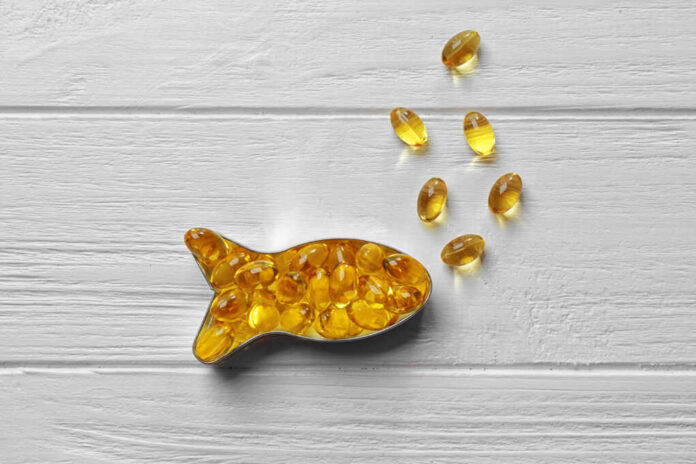
For decades, the ticking clock of a woman’s fertility was viewed as unyielding, dictated by genetics and fate. That narrative is now under fresh scrutiny. Recent studies, including the UK Women’s Cohort Study, have uncovered that women who regularly consume fish oil, B-complex vitamins, antioxidants, and vitamin C appear to experience menopause later than their peers. These associations, while not yet causal, raise the tantalizing prospect that nutrients might slow the biological march toward reproductive aging. If confirmed, this could mark a seismic shift in how women manage their reproductive health.
Watch: Caloric Restriction Slows Ovarian Aging in Rhesus Macaques | Aging-US
Animal research amplifies the intrigue. Mice given multi-ingredient supplements showed measurable improvements in ovarian markers and reproductive success, suggesting that the right combination of nutrients may help preserve the ovarian reserve—the pool of eggs that determines fertility. Parallel findings in primates show that even modest caloric restriction can shield ovarian tissue from age-related decline. These experiments provide not only hope but also mechanistic clues, hinting at the roles of inflammation, mitochondrial function, and vascular health in ovarian aging.
Watch:
Unpacking the Science: From Observations to Mechanisms
While human cohort studies attract headlines, the underlying science is even more compelling. Researchers have uncovered new molecular pathways driving ovarian decline, including the role of immune cells and vascular aging in follicle loss. Animal models reveal that antioxidants and metabolic activators can modulate these pathways, suggesting avenues for intervention. Yet, such mechanistic clarity also exposes the complexity of the problem: ovarian aging is shaped by genetics, metabolism, inflammation, and the microenvironment of the ovary itself. This complexity underscores why no single supplement or dietary tweak has yet been crowned a cure-all.
The Stakes: Health and Society
The timing of menopause holds profound implications for women’s health. Early menopause is associated with heightened risks of osteoporosis, cardiovascular disease, and metabolic disorders; later menopause brings its own perils, including increased risk of hormone-sensitive cancers. The prospect of slowing ovarian aging through nutrition could help women extend not only their fertility but also their years of robust health, altering both personal and public health trajectories.
The Road Ahead: Caution, Hope, and the Need for Evidence
Leading researchers call for integrative approaches—blending nutrition, lifestyle modification, and targeted therapies—to tackle the multifaceted nature of ovarian aging. Debate continues over how much of ovarian aging can truly be influenced by diet compared to genetics or environmental exposures.
For women approaching menopause, the current message is both hopeful and prudent. Nutritional strategies may one day become a cornerstone of reproductive health, but for now, skepticism is warranted alongside optimism. As research continues, women, clinicians, and policymakers alike must keep a clear-eyed view of what science supports—and what it has yet to prove.
Sources:
PMC: Multi-Ingredient Supplement Improves Body Re-Composition and Ovarian Aging Markers in Mice
MindBodyGreen: Can These Nutrients Slow Ovarian Aging? What This Study Reveals
Aging-US: Moderate Caloric Restriction May Slow Ovarian Aging in Primates
Nature: Ovarian Vascular Aging and Fertility Decline