
Your morning diet soda may be quietly fueling a 60% higher risk of liver disease than you ever feared—even if you haven’t touched a drop of alcohol in years.
Story Highlights
- Major new UK study finds both diet and sugary drinks sharply increase risk of liver disease, independent of alcohol use.
- Artificially sweetened beverages carry an even higher risk than sugar-sweetened drinks.
- Nearly 40% of the world now faces non-alcoholic liver disease, fueled by modern dietary patterns.
- Calls are mounting for new beverage regulations and public health warnings as industry scrutiny grows.
Consuming “Safe” Drinks May Be Anything But Safe
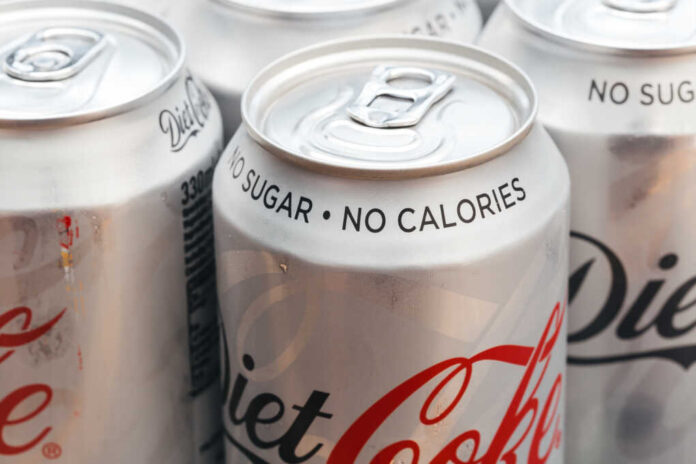
For decades, Americans equated liver disease with a bottle of whiskey or a six-pack of beer, not a can of diet cola. A landmark study upends that assumption, revealing that just one can per day of a diet or artificially sweetened beverage raises the risk of metabolic dysfunction-associated steatotic liver disease (MASLD)—formerly known as non-alcoholic fatty liver disease—by a staggering 60%. Sugar-sweetened drinks are not far behind, hiking risk by 50%. Over 123,000 UK adults were tracked for a decade, none with liver disease at the start, making these findings hard to dismiss.
Researchers presented these results at the United European Gastroenterology Week in Berlin, catching the attention of clinicians and policy makers alike. The message is clear: the beverage aisle isn’t just a battleground for waistlines, but for liver health. Even those who’ve sworn off alcohol are not off the hook if their daily routine includes soda—diet or regular.
How the Modern Diet Became a Hidden Threat
MASLD now affects an estimated 38% of the global population—a 50% surge in just two decades. The culprit isn’t just donuts or fried chicken; it’s the relentless rise of processed foods and sweetened drinks. For years, sugar-sweetened beverages (SSBs) were the villain, linked to obesity and diabetes. But this study is among the first to implicate artificially sweetened drinks as an equal, if not greater, threat to liver health. The UK cohort’s dietary habits mirror those of much of the Western world, making these findings globally relevant.
Previous studies hinted at sugar’s danger, but few expected diet drinks to be just as hazardous. The assumption that “zero-calorie” sodas are harmless is now in serious doubt. The beverage industry, long targeting health-conscious consumers with diet options, faces a fresh wave of scrutiny.
Industry and Institutions Brace for Impact
United European Gastroenterology (UEG) hosted the study’s presentation, amplifying its significance in medical circles. Public health authorities now face mounting pressure to act, while beverage companies scramble to defend their products. Policy makers are weighing options: taxes, warning labels, and even reformulation mandates. The healthcare sector, already overwhelmed by metabolic diseases, may soon be tasked with broader liver disease screening and prevention efforts.
The power struggle is real. Researchers and public health officials must contend with industry lobbying, which fiercely guards the reputation—and sales—of both sugary and diet drinks. Media coverage has fueled public debate, with calls for stronger labeling and consumer education. The political ramifications could reshape beverage marketing and regulation for years to come.
What Science Still Can’t Explain—Yet
Experts agree: the study’s scale and rigor make its warnings hard to ignore. Yet, the mechanism by which artificial sweeteners might harm the liver remains under investigation. Some nutritionists urge caution in drawing causal conclusions, pointing to the need for more mechanistic studies. What’s not in dispute is the rising tide of MASLD and its devastating impact on public health.
The beverage industry will likely argue for more evidence before any dramatic regulatory shift. Meanwhile, clinicians urge moderation for all sweetened drinks, not just those with sugar. The debate is far from over, but the trajectory is clear: our understanding of liver disease risk must move beyond the bottle—and the can. For millions, the real threat may come from the drinks they thought were safest.
Sources: