

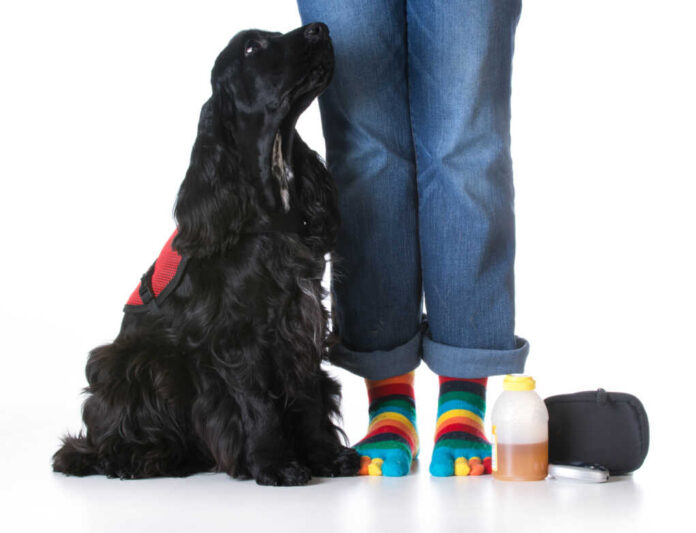
Your dog may detect a life-threatening blood sugar crash before any medical device ever could, and science is finally catching up to what families have known for years.
Quick Take
- Trained Diabetes Alert Dogs detect dangerous blood glucose fluctuations with statistically significant accuracy, often alerting before conventional monitoring systems
- Research shows dogs demonstrate 2.80-fold increase in alerts during hypoglycemic episodes and 2.29-fold increase during hyperglycemic episodes compared to normal blood sugar periods
- Performance varies dramatically among individual dogs, with sensitivity ranging from 33.3% to 91.7%, meaning not all trained dogs perform equally
- Dogs offer non-invasive detection that eliminates sensor insertion burden and finger-pricks while providing psychosocial benefits alongside clinical advantages
- Scientific consensus positions Diabetes Alert Dogs as complementary tools within comprehensive diabetes management rather than replacements for existing technology
The Silent Killer Type 1 Diabetics Face Daily
Type 1 diabetes patients confront a terrifying reality that technology alone cannot solve: glycemic unawareness. This condition strips patients of their body’s natural warning system for dangerous blood sugar crashes. A person experiencing severe hypoglycemia may feel nothing—no shakiness, no sweating, no mental fog—until seizures strike, consciousness fades, or death arrives. Continuous glucose monitors provide alerts, but they require invasive sensor insertion, demand constant financial investment for replacements, and still miss the subtle shifts that precede catastrophic drops. This gap between technology and biology created space for an unlikely solution: trained dogs.
How Dogs Detect What Machines Miss
Diabetes Alert Dogs undergo individualized training using glucose samples collected from their future owner during actual hypoglycemic episodes. Trainers pair these samples with rewards, teaching dogs to recognize specific odor markers associated with dangerous blood sugar fluctuations. The dog learns to alert through attention-gaining behaviors—pawing, whining, or physical contact—when glucose levels deviate from target range. Medical Detection Dogs, the United Kingdom’s largest training organization accredited by Assistance Dogs UK, has pioneered this approach and participated in rigorous research validation. The methodology works because dogs possess olfactory capabilities humans cannot replicate, detecting chemical changes in breath, sweat, and skin that signal metabolic distress.
Dogs for diabetes patients detect deadly blood sugar crashes before medical devices, families claim https://t.co/rPwViQbGRd #FoxNews
I have personally witnessed a couple of these wonderful dogs doing their jobs to perfection. A couple of things they failed to mention in this…
— SenseiJM (@SenseiJM) November 29, 2025
What the Research Actually Shows
Recent owner-independent investigations using objective glucose monitoring systems have produced compelling evidence. Dogs alerted 2.80 times more frequently during hypoglycemic episodes and 2.29 times more frequently during hyperglycemic episodes compared to periods when blood sugar remained in target range. In one comprehensive study, dogs achieved a median positive predictive value of 81 percent for detecting out-of-range glucose levels, with four dogs reaching 100 percent accuracy. These numbers exceed random chance dramatically, suggesting genuine detection capability rather than coincidence or owner bias.
Where Dogs Fit in Modern Diabetes Care
The research community supports “the value of a Diabetes Alert Dog as part of a diabetes care plan,” positioning dogs as complementary tools rather than technology replacements. This integration approach acknowledges both the genuine detection capabilities dogs demonstrate and the limitations that prevent them from replacing continuous glucose monitors entirely. Dogs excel where machines falter—providing non-invasive, personalized, relationship-based detection with psychological benefits. Machines excel where dogs falter—offering consistent, quantifiable, always-available glucose data without performance variability.
The Future of Biological Detection
Researchers emphasize that “it is imperative that the efficacy and value of Diabetes Alert Dogs are objectively assessed” given the health risks associated with diabetes management failures. Future research should investigate the mechanisms of canine glucose detection more deeply, optimize training protocols to improve consistency, and establish clear clinical guidelines for integrating dogs into comprehensive diabetes care. The evidence supports that trained Diabetes Alert Dogs can detect blood glucose fluctuations with meaningful accuracy for many—though not all—dogs.
Watch:
Sources:
Accuracy of Diabetes Alert Dogs in Alerting to Hypoglycemic Events and Significant Blood Glucose Changes in Type 1 Diabetes
Accuracy of Diabetes Alert Dogs in Detecting Hypoglycaemic Events and Significant Blood Glucose Changes
Accuracy of Flash Glucose Monitoring System in Diabetic Dogs
Can Trained Dogs Detect Hypoglycemia in Patients with Type 1 Diabetes?