

The innocent-looking ingredient hiding in your favorite processed foods may be quietly wreaking havoc on your gut and triggering chronic inflammation throughout your body.
Story Snapshot
- Common food emulsifiers like carboxymethylcellulose disrupt gut bacteria and trigger inflammation
- Ultra-processed foods containing these additives compromise the intestinal barrier and allow harmful bacteria to invade
- Research shows participants consuming these additives experienced gut microbiota alterations and increased stomach discomfort
- Mediterranean and plant-based diets offer protection against chronic inflammation by avoiding problematic additives
The Hidden Culprit in Your Kitchen Cabinet
Carboxymethylcellulose sounds like something from a chemistry textbook, but this emulsifier appears in countless everyday foods from ice cream to salad dressing. A groundbreaking 2022 study published in Gastroenterology revealed that participants consuming this common additive experienced dramatic changes in their gut bacteria composition.
The mechanism behind this inflammatory response centers on how these additives starve beneficial gut bacteria. When emulsifiers alter the delicate ecosystem in your digestive tract, the hungry microbes begin consuming your protective intestinal mucus layer instead of the fiber they need to thrive.
Experts Say This Common Ingredient May Be Causing Inflammation in Your Body – EatingWell https://t.co/f4FlqUan7p
— Janice (@TheHealthProf) November 20, 2025
The Standard American Diet’s Inflammatory Perfect Storm
Americans consume an average of 17 teaspoons of added sugar daily, nearly double the recommended limit. This excessive sugar intake combines with a laundry list of other inflammatory ingredients that dominate ultra-processed foods.
Ultra-processed foods now constitute the majority of calories in the typical American diet. These products, characterized by ingredient lists filled with unpronounceable chemicals, represent a radical departure from traditional whole foods. The shift coincides directly with rising rates of arthritis, heart disease, stroke, and diabetes—all conditions rooted in chronic inflammation.
Watch:
When Your Gut Barrier Breaks Down
The intestinal lining serves as your body’s first line of defense against harmful substances. When emulsifiers compromise this barrier, inflammatory compounds that should remain safely contained in the digestive tract leak into circulation. This phenomenon, known as increased intestinal permeability, triggers systemic inflammation as your immune system responds to substances it perceives as threats.
Without sufficient plant matter to feed beneficial bacteria, the gut microbiota begins consuming the protective mucus layer, leaving the intestinal wall vulnerable to invasion by pathogenic organisms.
The Mediterranean Solution to Modern Inflammation
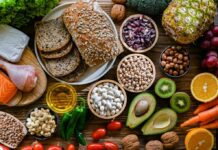
A comprehensive meta-analysis of 2,300 subjects from 17 clinical trials demonstrated that Mediterranean diet adherence produced the most significant reductions in inflammatory biomarkers including interleukin-6 and C-reactive protein. This traditional eating pattern emphasizes vegetables, fruits, nuts, beans, seeds, fatty fish, whole grains, and healthy fats while strictly limiting processed foods and red meat.
The protective effects stem not just from avoiding harmful additives, but from actively consuming anti-inflammatory compounds found in whole foods. Polyphenols in berries, omega-3 fatty acids in fish, and fiber in vegetables all work synergistically to support healthy gut bacteria and maintain intestinal barrier integrity. This represents a fundamental shift from viewing nutrition as simply avoiding “bad” foods to actively consuming therapeutic compounds.
Sources:
University of Chicago Medicine – What foods cause or reduce inflammation
Cleveland Clinic – Foods that can cause inflammation
Stanford Medicine – Ultra-processed food: five things to know
Mayo Clinic Health System – Want to ease chronic inflammation