
Scientists have discovered that ordinary foods sitting in your kitchen right now possess the power to dramatically improve your heart health in ways that rival prescription medications.
Story Highlights
- Decade-long study of over 3,100 adults reveals polyphenol-rich foods significantly improve cardiovascular outcomes
- Orange juice alters expression of thousands of immune genes involved in heart protection
- Plant-based diets can prevent and partially reverse hypertensive heart disease in animal studies
- Food access programs show measurable improvements in blood pressure and cholesterol within 12 weeks
The Kitchen Pharmacy Revolution
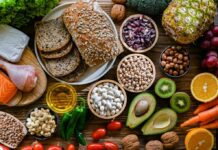
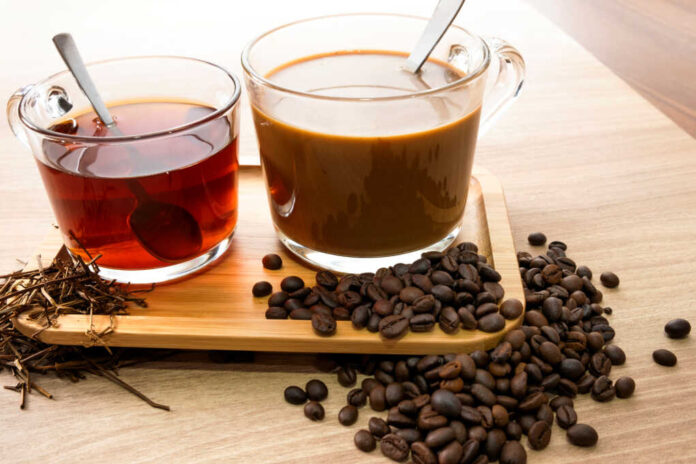
Your morning coffee, afternoon tea, and evening handful of nuts constitute a cardiovascular pharmacy that scientists are only now beginning to understand. Recent research spanning over a decade has shattered the traditional view that food is merely fuel, revealing instead that specific compounds in everyday items function as sophisticated molecular medicine for your heart.
The evidence comes from multiple directions. A groundbreaking 11-year study tracking more than 3,100 adults found that those who consistently consumed polyphenol-rich foods experienced substantially better heart health outcomes than their peers who rarely touched these items. The difference was not marginal but clinically significant, approaching the magnitude of improvement seen with traditional cardiovascular medications.
Got a health question? Ask our AI doctor instantly, it’s free.
Watch:
Orange Juice Rewrites Genetic Code
Perhaps the most startling discovery involves orange juice, a beverage many dismissed as sugar-laden trouble. When researchers examined what happens inside the body after 60 days of consuming 500 milliliters of pure orange juice daily, they uncovered something remarkable. The juice altered the expression of thousands of immune cell genes, specifically targeting pathways that control inflammation, blood pressure regulation, and glucose metabolism.
This genetic reprogramming explains why orange juice consistently shows modest but meaningful improvements in blood pressure, cholesterol levels, and insulin sensitivity across multiple clinical trials. The fruit is literally rewriting cellular instructions to favor cardiovascular health, demonstrating that food operates as information, not just calories.
Plant Power Reverses Heart Disease
Animal studies from Georgia State University have pushed the boundaries even further, showing that plant-based diets can not only prevent but actually reverse hypertensive heart disease. Rats fed plant-based diets showed structural improvements in heart tissue damaged by high blood pressure, suggesting that the right foods possess regenerative properties previously thought impossible.
The mechanism involves complex interactions between plant compounds called polyphenols and cellular repair systems. These molecules, abundant in berries, cranberries, nuts, whole grains, and olive oil, act as master switches for inflammation control and blood vessel function. Their effects accumulate over years, creating a protective shield around the cardiovascular system that strengthens with consistent exposure.
Get fast, reliable health advice from your AI doctor now.
Food Deserts Create Heart Disease Deserts
The American Heart Association’s 2025 Scientific Sessions highlighted a sobering reality: access determines outcomes. When researchers provided DASH-style groceries plus dietitian counseling to Black adults living in Boston food deserts, participants experienced significant improvements in blood pressure and LDL cholesterol within just 12 weeks. Remove the support, however, and benefits quickly disappear.
This research reveals that knowledge alone is insufficient. The most heart-protective foods in the world cannot help people who cannot access or afford them. Food deserts create cardiovascular disease deserts, perpetuating health inequities that no amount of individual education can overcome. The solution requires systemic changes in food policy, urban planning, and healthcare reimbursement.
Medicine Meets the Grocery Store
Leading cardiologists now advocate treating dietary interventions with the same rigor applied to pharmaceutical development. This means randomized controlled trials, cost-effectiveness analyses, and standardized dosing recommendations for foods shown to improve cardiovascular outcomes. Some health systems already prescribe medically tailored meals and cover food delivery for heart failure patients, recognizing that nutrition interventions can reduce hospitalizations more effectively than many traditional therapies.
The shift represents a fundamental change in medical thinking. Rather than waiting for disease to develop and then treating it with drugs, the new approach positions specific foods as primary prevention tools that can be prescribed, monitored, and adjusted like any other therapeutic intervention. Insurance companies are taking notice, calculating whether paying for heart-healthy groceries today costs less than covering cardiac procedures tomorrow.
Smart health starts here, try My Healthy Doc today.
Sources:
STAT News – AHA Food as Medicine Lowered Blood Pressure
Science Alert – Orange Juice May Do Much More for Your Body Than Scientists Ever Realized
SciTechDaily – 11-Year Study Reveals Eating These Plant Compounds Is Linked to Better Heart Health
Georgia State University – Study Plant-Based Diet Can Prevent Reverse Form of Heart Disease
American Heart Association – Access to Healthy Foods Linked to Improved Quality of Life