

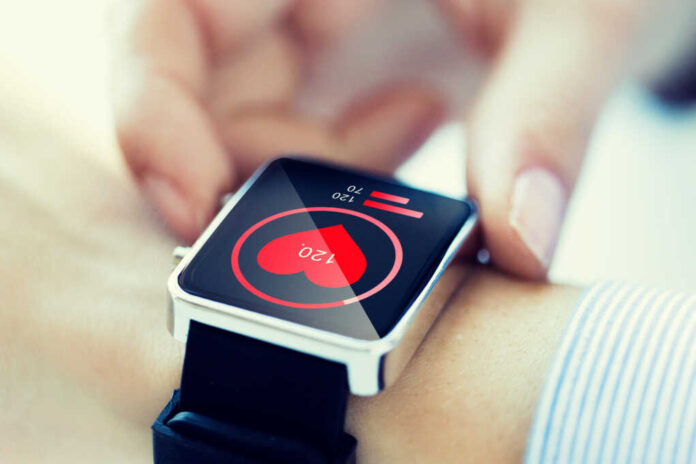
Your heart may be broadcasting early warning signs of anxiety and burnout long before you feel it—and one quiet nutrient tweak can start shifting that signal.
Story Snapshot
- Heart rate variability (HRV) reliably tracks how overwhelmed your nervous system really is.
- Anxiety disorders consistently show lower HRV compared with healthy adults.
- Nutrients like omega‑3s and magnesium can modestly influence anxiety and autonomic balance, but none work as a magic “HRV pill.”
- Behavior and mindset still do the heavy lifting; smart nutrition plays a supporting, not starring, role.
HRV: The Nervous System Readout Hiding in Plain Sight
Most people track steps and weight while ignoring the one metric that quietly reveals how stressed and anxious their body really is: heart rate variability. HRV measures the tiny beat‑to‑beat differences in your heart rhythm, a direct reflection of how well your parasympathetic “brake pedal”—the vagus nerve—is balancing your fight‑or‑flight response. Lower HRV shows up across anxiety, depression, and chronic stress, turning this obscure number into a surprisingly powerful stress barometer.
Researchers moved HRV from physiology textbooks to anxiety clinics after repeatedly finding that people with panic disorder, generalized anxiety, PTSD, and social anxiety walk around with measurably lower HRV than healthy controls. One study in social anxiety disorder found reduced HRV especially in women, with the lowest values tracking the highest social anxiety, overall distress, and problematic alcohol use. That pattern fits a simple story: the more overwhelmed the nervous system, the less flexible the heart’s rhythm.
Watch;
What Higher HRV Really Buys You When Life Turns Chaotic
HRV does more than label you “stressed” or “calm”; it predicts who adapts when life gets rough. Higher resting HRV signals stronger prefrontal “top‑down” control over emotional circuits, the same control you need to stay composed in traffic, during a hard conversation, or in a panic‑triggering situation. In exposure therapy for social anxiety, people who walked in with higher high‑frequency HRV learned safety faster and carried less fear one month later. Their autonomic reserve made psychological work easier, not harder.
That predictive power is why some experts now frame HRV as a transdiagnostic biomarker—one physiological thread running through multiple mental health conditions. Umbrella reviews covering many psychiatric diagnoses report a consistent theme: mental disorders cluster with reduced HRV compared with healthy controls, though not in perfectly neat diagnostic boxes.
Clear answers for common health questions – start now.
The Nutrient Temptation: One Pill to Fix a Complex System
Supplement marketers love this dashboard metaphor because it lets them promise a clean fix: swallow a particular nutrient, raise HRV, calm anxiety. The evidence does not endorse that simplicity. Nutrition absolutely shapes brain and autonomic function, but HRV is multi‑determined by age, fitness, sleep, chronic illness, medications, and daily stress load. A single capsule rarely outruns a lousy lifestyle, no matter how confident the label copy sounds.
Some nutrients do matter more than others. Omega‑3 fatty acids influence inflammation and neuronal signaling and have shown small anxiety reductions in certain trials, though HRV changes were rarely the main outcome. Magnesium participates in calming glutamate and supporting GABA, with some evidence for easing mild anxiety. B‑vitamins undergird neurotransmitter synthesis. Those mechanisms fit the broader finding that HRV rises when the parasympathetic system gains ground.
What the Strongest Data Say About Calming an Overloaded System
When researchers intentionally try to move HRV, they usually do it with behavior, not pills. Slow breathing and HRV biofeedback teach people to nudge vagal tone directly, often producing measurable HRV gains and lower stress over time. Clinical trials are now testing combinations of HRV biofeedback, interoceptive training, and mindfulness in anxious, depressed young adults, using HRV and symptom change as hard outcomes rather than wishful thinking. These approaches respect physiology instead of trying to outsmart it.
Smart health starts here, try My Healthy Doc today.
How to Use Nutrition Without Falling for Magic-Bullet Thinking
Practical adults should ask one question before chasing a nutrient for anxiety and HRV: does the claim stand on more than marketing and anecdotes? Current evidence supports a grounded approach. First, secure fundamentals that reliably influence HRV: regular exercise, sufficient sleep, and structured stress management, including purposeful breathing or biofeedback when accessible. Second, clean up diet quality with an emphasis on whole foods, adequate protein, and anti‑inflammatory fats—essential baselines for brain and autonomic function. Only after that foundation does it make sense to consider targeted nutrients such as omega‑3s or magnesium, ideally guided by deficiency risk, tolerability, and medical oversight.
Mental wellness starts with small steps, begin now.
Sources:
Decreased heart rate variability in anxiety disorders: a meta-analysis
Heart rate variability in mental disorders: an umbrella review of meta-analyses
Neurovisceral integration and heart rate variability in psychopathology
Determinants and clinical significance of heart rate variability: a narrative review
Heart rate variability and stress: a systematic review and meta-analysis