
Imagine if picking up a new hobby could sharpen your mind, elevate your mood, and lower your risk for dementia—even after sixty; the global evidence says it’s possible, and the science is more compelling than ever.
Story Highlights
- Large-scale international research finds hobby engagement improves brain health, mood, and life satisfaction in older adults.
- Neuroscientific studies reveal hobbies stimulate neuroplasticity and cognitive reserve, countering age-related decline.
- Creative, mentally stimulating, physical, and social hobbies each activate unique biological and psychological benefits.
- Hobby participation offers accessible, low-cost interventions for individuals, healthcare systems, and communities.
Hobbies: From Leisure to Lifeline for Brain Health
Neuroscientists have overturned old assumptions about aging brains, showing they remain adaptable, capable of forming new connections, and open to learning at any stage. The shift—from viewing hobbies as mere distractions to recognizing them as vital components of cognitive health—has been driven by studies like the 2023 Nature Medicine analysis, which tracked over 93,000 adults aged 65 and up across 16 countries. The findings were clear: those who engaged in hobbies reported better mental health, fewer symptoms of depression, greater happiness, and higher satisfaction with life. The sheer scale and rigor of this research, accounting for genetics, medical backgrounds, and lifestyle changes, have made the case for hobby engagement hard to ignore.
Neuroplasticity—the brain’s ability to reorganize itself—acts as the secret weapon here. When you take up a new hobby, whether it’s gardening, bridge, or dancing, you’re stimulating specific neural pathways. Repetition strengthens these circuits, building cognitive reserve that helps buffer against age-related decline. For those who start new hobbies later in life, imaging studies show measurable increases in brain regions tied to memory and executive function. The process is not passive; every challenge, every new skill learned releases dopamine, reinforcing the behavior and boosting feelings of wellbeing.
The Biological and Psychological Mechanisms at Work
Beyond the feel-good factor, hobbies modulate neurochemistry and stress. Activities that spark creativity—painting, music, crafts—trigger dopamine and serotonin, the neurotransmitters responsible for happiness and emotional stability. Mindful, relaxing hobbies reduce cortisol, the stress hormone linked to anxiety and cognitive impairment. UCLA Health researchers found these effects extend to cardiovascular health, with art-making associated with lower blood pressure and heart rate. The systemic impact goes further: regular engagement supports immune, endocrine, and central nervous systems, lowering risks for heart disease, stroke, and even some cancers.
Social connection, often overlooked, emerges as a powerful protective factor. Many hobbies—book clubs, dance classes, volunteer groups—naturally foster relationships, combating loneliness, which is now recognized as a health risk comparable to smoking and obesity. Harvard experts emphasize that the social side of hobbies amplifies benefits, creating opportunities for learning, self-expression, and relaxation in community settings. The Japanese studies provide concrete support: the more hobbies adults pursued, the lower their risk of developing dementia.
Who Gains the Most? Aging Populations, Cognitive Impairment, and Public Health
The implications for aging societies are profound. Even among those with chronic health problems, engaging in hobbies is linked to better outcomes. Neuroplasticity persists throughout life, meaning that continued learning and activity remain possible, even as speed may slow. Researchers caution that hobbies are not a cure for diseases like Alzheimer’s, but they do support engagement, flexible thinking, and quality of life for those with cognitive impairment. This challenges the deficit-focused approach in dementia care, suggesting therapeutic programming should prioritize meaningful activities.
Healthcare systems stand to benefit. Hobby promotion—low cost, non-pharmaceutical, universally accessible—could reduce burdens associated with depression, cognitive decline, and chronic disease. Public health initiatives that encourage hobby participation, especially group-based activities, may offer preventive benefits at scale. Social infrastructure also matters: clubs, classes, and volunteer opportunities address the epidemic of loneliness while providing cognitive and emotional stimulation.
Which Hobbies Deliver the Strongest Benefits?
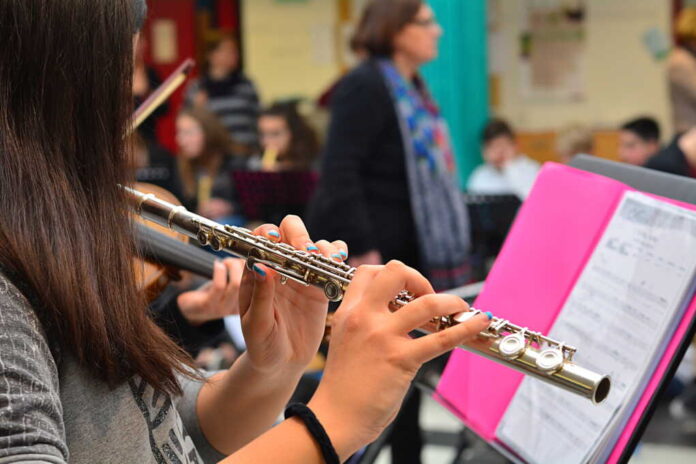
Creative pursuits—art, music, dance—excel at reducing stress and promoting brain health. Tango dancing, for example, is linked to slower brain aging. Mentally stimulating hobbies like puzzles and word games strengthen memory, attention, and processing speed by exercising problem-solving circuits. Physical hobbies—pickleball, hiking, gardening—combine movement with skill development, supporting brain cell growth and connectivity. Social hobbies, meanwhile, provide psychological purpose and community, further reinforcing cognitive resilience.
Meta-analyses indicate the effects aren’t one-size-fits-all. Some activities may be particularly protective, and the number of hobbies matters—more engagement means greater benefits. Working memory studies show that mental leisure activities deliver stronger boosts than passive ones. Importantly, even those with mild cognitive impairment gain from hobbies. The key is consistent, meaningful participation, not perfection.
Sources:
Good Housekeeping: Hobbies Good for Your Brain
UCLA Health: 3 Proven Health Benefits of Having a Hobby
Nature Medicine: Large-Scale Study on Hobby Engagement
Harvard Health: Hobby Tied to Happiness and Well-Being