
Could the secret to heart health and lower cholesterol be hidden in the humble fiber found in your pantry?
Story Highlights
- Dietary fiber is crucial for lowering cholesterol and reducing heart disease risk.
- Americans fall significantly short of the recommended daily fiber intake.
- Both soluble and insoluble fibers play vital roles in supporting heart health.
- Simple dietary changes can increase fiber intake and improve cardiovascular health.
The Role of Fiber in Heart Health
Dietary fiber is more than just a digestive aid; it plays a critical role in maintaining heart health. Studies dating back to the mid-20th century have established a strong connection between fiber intake and reduced rates of cardiovascular disease (CVD). Fiber helps lower cholesterol levels, a primary risk factor for heart disease, by binding to cholesterol in the digestive system and removing it from the body. The benefits of fiber extend beyond cholesterol management, as it also reduces inflammation and supports overall metabolic health.
Despite its proven benefits, fiber remains one of the most under-consumed nutrients in the American diet. Less than 10% of adult Americans meet the recommended daily intake, which is about 25 grams for women and 36 grams for men. This dietary gap contributes to the rising rates of CVD and other health issues. Dietitians and public health organizations emphasize increasing fiber intake as a simple yet effective strategy to combat these trends.
Types of Fiber and Their Benefits
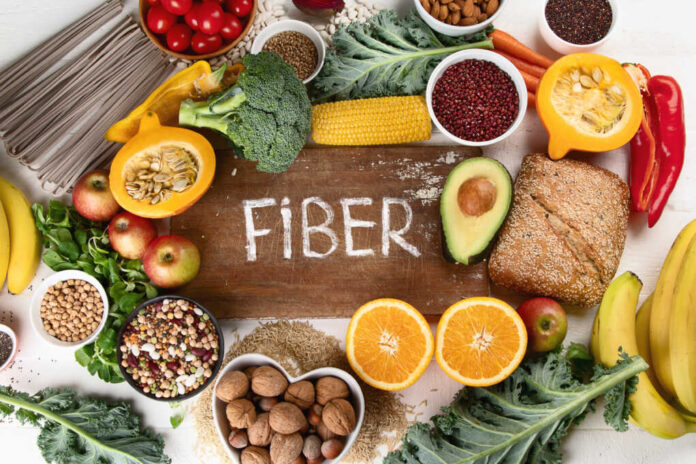
Fiber comes in two main forms: soluble and insoluble. Soluble fiber, found in oats, beans, and fruits, dissolves in water to form a gel-like substance. It helps lower blood glucose levels and cholesterol. Insoluble fiber, found in whole grains and vegetables, adds bulk to stool and aids in maintaining regular bowel movements. Both types are essential for heart health, with soluble fiber playing a more direct role in lowering cholesterol.
Recent studies, such as those published in JAMA Network Open in 2022, highlight the anti-inflammatory effects of fiber, which further reduce the risk of CVD. These studies underscore the importance of consuming a variety of fiber sources to achieve the maximum health benefits. Incorporating whole grains, legumes, fruits, and vegetables into daily meals is a practical way to boost fiber intake and protect heart health.
Bridging the Fiber Gap
The persistent gap in fiber intake among Americans demands attention and action. Public health campaigns are increasingly focused on educating the population about the importance of fiber and how to incorporate it into daily diets. Simple dietary changes, such as replacing refined grains with whole grains, snacking on fruits instead of processed foods, and adding beans to meals, can significantly increase fiber consumption.
Efforts are underway to refine dietary guidelines and promote fiber-rich foods. The food industry is responding by offering more whole-grain and fiber-fortified products, making it easier for consumers to meet their dietary needs. However, individual commitment to making these dietary changes remains crucial. Dietitians recommend gradually increasing fiber intake to avoid digestive discomfort while ensuring a balanced and nutritious diet.
Sources:
HealthierU (University of Nebraska–Lincoln)
J Chiropr Med (Meta-analysis review)
PubMed (Cardiovascular benefits of dietary fiber)