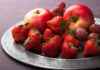


Beyond the glass, what you eat can hydrate you better than you think.
Story Overview
- Fruits and vegetables can provide more than just nutrients; they hydrate too.
- Watermelon, cucumbers, and strawberries are top hydrating contenders.
- Hydrating foods contribute to 20% of daily fluid needs.
- Recent research emphasizes their role in holistic hydration strategies.
The Role of Hydrating Foods
While water has always been the go-to for quenching thirst, the spotlight is increasingly shifting towards fruits and vegetables. These foods, such as cucumbers and strawberries, are composed of over 84% water, making them powerful allies in hydration. They not only help maintain fluid balance but also provide essential nutrients and electrolytes. This dual benefit is especially crucial during hot weather or after physical activity, when the body demands not just replenishment of fluids but also the restoration of lost nutrients.
Incorporating these hydrating foods into daily meals can be a game-changer for those struggling to meet their fluid intake goals. With the rising temperatures and an increase in physical activity among the population, the need for efficient hydration methods is more pressing than ever. The latest dietary recommendations reflect this shift, promoting a balanced approach to fluid intake that includes both water and high-water-content foods.
Understanding the Science
The science behind the hydrating power of fruits and vegetables is rooted in their high water content. For example, cucumbers consist of about 95% water, while strawberries contain 91%. This water content helps to maintain hydration while also supplying vital nutrients like potassium and magnesium, which are crucial for maintaining electrolyte balance. The natural sugars and fibers in these foods also aid in slow and steady absorption of water, preventing sudden spikes and crashes in hydration levels.
Recent studies have underscored the importance of these foods in the diet, particularly for children and active adults, who may face greater risks of dehydration. The integration of these foods into meals not only enhances hydration but also improves overall nutrient intake, contributing to better health outcomes and disease prevention.
Practical Applications and Recommendations
Health organizations and dietitians recommend a variety of hydrating fruits and vegetables to maximize health benefits. Watermelon, bell peppers, and oranges, among others, are highlighted for their dual role in providing fluids and nutrients. Dietitians like Alyssa Pike emphasize the significance of these foods, suggesting easy ways to incorporate them, such as adding them to salads, smoothies, or snacks. This approach not only makes hydration more appealing but also aligns with broader dietary guidelines that advocate for increased fruit and vegetable consumption.
For those who find it challenging to drink sufficient water, these foods offer an accessible alternative. They can be particularly beneficial in settings where access to clean drinking water might be limited or during activities where carrying large amounts of water is impractical. Additionally, the food industry is responding to this trend by developing ready-to-eat hydrating snacks, further easing the integration of these foods into daily life.
Sources: