
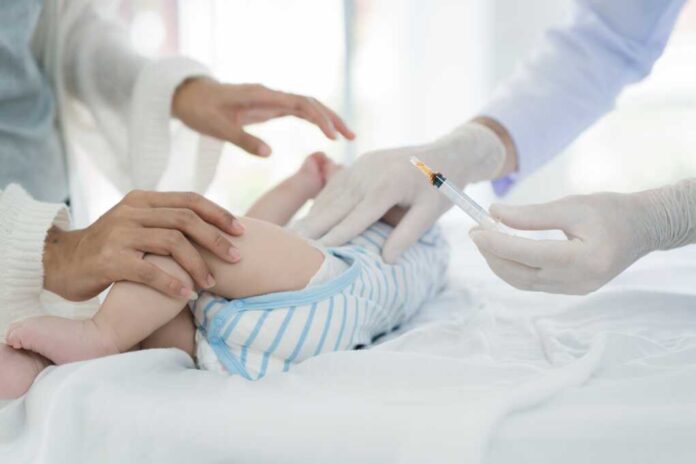
A single injection now shields European infants from the respiratory virus that sends more babies to the hospital than any other pathogen, and the results are rewriting pediatric medicine.
Story Highlights
- Nirsevimab provides immediate, season-long RSV protection with just one injection
- European countries report 80-90% reduction in RSV hospitalizations among treated infants
- WHO endorses the monoclonal antibody for global use after dramatic real-world success
- Unlike vaccines, this treatment offers instant protection within one week of administration
- Spain and Ireland achieve 90% coverage rates in pilot programs with remarkable outcomes
Revolutionary Protection Against a Silent Killer
Respiratory syncytial virus quietly terrorizes parents across Europe every winter, filling pediatric wards with wheezing infants struggling to breathe. RSV causes more hospitalizations in babies than influenza, pneumonia, and most childhood diseases combined. For decades, parents could only watch helplessly as their newborns battled this respiratory menace. That changed when European health authorities approved nirsevimab, marketed as Beyfortus, transforming RSV from an inevitable threat into a preventable tragedy.
The breakthrough lies in nirsevimab’s unique mechanism. Unlike traditional vaccines that teach the immune system to fight infections, this monoclonal antibody delivers pre-made protection directly into the bloodstream. The treatment attaches to RSV’s surface proteins, essentially handcuffing the virus before it can cause severe disease. Within one week of injection, babies gain robust protection lasting five months or longer.
Watch:
European Success Stories Exceed Expectations
Ireland’s Health Service Executive reports that nirsevimab prevents over 80% of RSV hospitalizations, but real-world data suggests even higher effectiveness. Spanish health authorities documented dramatic drops in pediatric intensive care admissions during their first season using nirsevimab. Hospital emergency departments, typically overwhelmed with RSV cases each winter, experienced unprecedented calm during peak transmission periods.
The timing couldn’t be more critical. Europe faces RSV seasons that typically peak between October and February, precisely when healthcare systems strain under seasonal respiratory illnesses. Pediatric wards that once overflowed with RSV patients now operate at manageable capacity levels. Parents who previously spent sleepless nights monitoring their infants’ breathing patterns report newfound peace of mind.
Global Health Authorities Take Notice
The World Health Organization’s Strategic Advisory Group on Immunization studied European outcomes extensively before issuing sweeping recommendations in May 2025. WHO officials emphasized that nirsevimab represents the first practical solution for universal RSV prevention in infants. Previous options like palivizumab required monthly injections and cost-prohibitive regimens, limiting use to only the highest-risk babies.
WHO guidance specifically targets infants under six months, the age group experiencing the most severe RSV complications. However, the recommendations extend protection to children up to 24 months entering their first RSV season. This broader approach acknowledges that RSV doesn’t discriminate based on risk factors, affecting healthy full-term babies as severely as premature infants.
Sources:
WHO outlines recommendations to protect infants against RSV respiratory syncytial virus
CDC MMWR Report on RSV Prevention
EMA European Public Assessment Report – Beyfortus
PMC Article on Nirsevimab Effectiveness
AAP Pediatrics – Effectiveness of Nirsevimab Against RSV