
Scientists have shattered a common assumption about protein by proving that not all meat is created equal when it comes to building muscle after your workout.
Key Points
- Lean pork stimulates 30% more muscle protein synthesis than high-fat pork despite identical protein content
- Fat content in meat actively interferes with the body’s muscle-building mechanisms
- Advanced amino acid tracking revealed fat blunts post-workout recovery benefits
- The discovery challenges conventional wisdom about protein quality and meat selection
The Fat Factor That Changes Everything
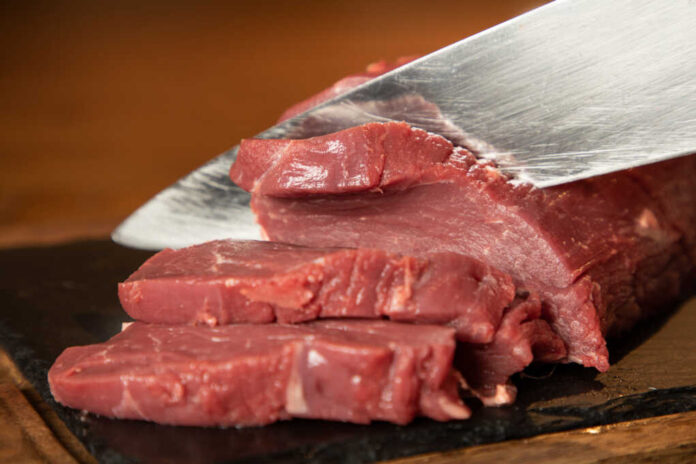
Researchers conducted a groundbreaking study that upended decades of nutritional assumptions about post-workout protein. They compared lean pork containing just 2% fat against fatty pork with 20% fat content, ensuring both portions delivered exactly the same amount of protein. The results defied expectations and revealed a hidden saboteur in high-fat meats that actively undermines muscle growth.
The study used sophisticated stable isotope tracers to track how amino acids from each type of pork moved through participants’ bodies after resistance training. This cutting-edge methodology allowed scientists to measure muscle protein synthesis rates with unprecedented precision, revealing stark differences that traditional assessment methods might have missed completely.
A new study comparing lean and high-fat ground pork burgers found that lean pork supercharges muscle growth more effectively post-workout, even when the total protein consumed was exactly the same.#Nutrition #Fitness #MuscleGrowth #Protein #WeightTraining #DietScience #LEANMEAT pic.twitter.com/2mrZwEHKD4
— geneXplain GmbH (@geneXplain) October 17, 2025
Why Fat Sabotages Your Gains
The mechanism behind fat’s interference involves how dietary lipids affect amino acid absorption and utilization. When consumed together, high fat content slows gastric emptying, which delays the delivery of amino acids to working muscles during the critical post-workout recovery window. This timing disruption significantly reduces the anabolic response that drives muscle adaptation and growth.
Additionally, excessive dietary fat triggers inflammatory pathways that compete with muscle-building signals. The inflammatory response diverts cellular resources away from protein synthesis toward managing metabolic stress. This dual assault of delayed nutrient delivery and increased inflammation creates a perfect storm that undermines training adaptations, regardless of total protein intake.
Real-World Applications for Serious Athletes
These findings have immediate implications for anyone serious about maximizing their training results. The research suggests that chicken breast, lean turkey, fish, and lean cuts of beef and pork should take priority over fattier options like ribeye steak, salmon, or ground beef with higher fat percentages. The timing of fat consumption also matters significantly for optimizing recovery.
Strategic meal planning becomes crucial for competitive athletes and dedicated fitness enthusiasts. Consuming leaner proteins immediately post-workout, while saving higher-fat protein sources for meals further removed from training sessions, could substantially improve long-term muscle development. This approach aligns with the body’s natural recovery rhythms and maximizes the anabolic window when muscles are primed for growth.
Sources: