
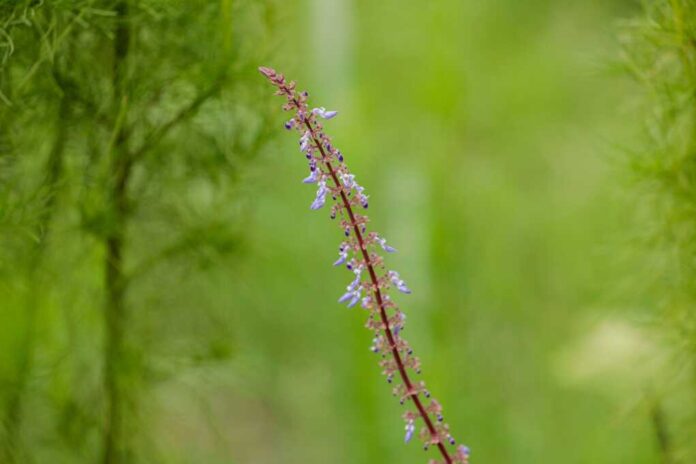
A humble plant compound used in traditional medicine has just demonstrated the power to outsmart one of medicine’s most ruthless killers while making chemotherapy gentler on patients.
Story Highlights
- Forskolin from Coleus forskohlii plant delivers dual attack against aggressive KMT2A-rearranged leukemia
- Compound directly slows cancer cell growth while simultaneously preventing chemotherapy resistance
- Research shows potential for reduced chemotherapy doses and fewer devastating side effects
- KMT2A-rearranged AML has survival rates below 50% and affects high-risk infants and adults
The Double-Edged Natural Weapon Against Blood Cancer
Forskolin attacks leukemia through two completely independent mechanisms that researchers at the University of Surrey never expected to find in a single compound. The plant extract activates Protein Phosphatase 2A, effectively shutting down cancer-promoting genes MYC, HOXA9, and HOXA10 that fuel tumor growth. Simultaneously, it blocks P-glycoprotein 1, the cellular pump that cancer cells use to expel chemotherapy drugs before they can work.
Dr. Maria Teresa Esposito, who led the breakthrough study, emphasizes the rarity of finding both mechanisms in nature. Most cancer treatments target either growth or resistance, but never both pathways independently. This dual action could allow doctors to use lower doses of harsh chemotherapy while achieving better results against one of leukemia’s deadliest variants.
Watch;
Why This Leukemia Subtype Terrorizes Doctors
KMT2A-rearranged Acute Myeloid Leukemia represents roughly 5-10% of all AML cases, but its reputation strikes fear into oncology wards. The cancer stems from genetic rearrangements in the KMT2A gene, creating aggressive tumors with relapse rates exceeding 50%. Five-year survival hovers below 50%, making it particularly devastating when it strikes infants and young adults.
Standard treatments like daunorubicin and cytarabine often fail because cancer cells quickly develop resistance mechanisms. The P-glycoprotein 1 pump works like a molecular bouncer, ejecting chemotherapy drugs before they can destroy malignant cells. Previous attempts to overcome this resistance have focused on developing more toxic treatments, creating a vicious cycle of escalating side effects.
https://x.com/Zicutake/status/2000214463182418410?s=20
Got a health question? Ask our AI doctor instantly, it’s free.
From Ancient Medicine to Modern Oncology
Coleus forskohlii has treated cardiovascular and respiratory ailments in traditional medicine systems for generations. Forskolin, its active compound, was already known to activate PP2A in other medical contexts, but researchers never connected these dots to leukemia treatment. The University of Surrey team discovered this connection through collaborative work funded by Leukaemia UK, published in the British Journal of Pharmacology.
Dr. Simon Ridley, Director of Research and Advocacy at Leukaemia UK, sees this discovery as opening doors to “kinder treatments” that could help achieve their ambitious goal of doubling five-year AML survival rates within the decade. The organization has prioritized funding research into gentler therapies that maintain effectiveness while reducing the brutal toll of conventional chemotherapy.
Racing Toward Clinical Reality
The research remains in preclinical stages, tested only on leukemia cell lines in laboratory conditions. Clinical trials involving human patients represent the next critical step, but the timeline remains uncertain. However, the dual mechanism approach offers genuine hope for the estimated 20,000 adults diagnosed with AML annually across the United States and European Union.
This breakthrough parallels other recent advances in natural compound cancer research, including work from the University of Pennsylvania turning toxic fungal compounds into anti-cancer drugs. The convergence of plant-based and fungal-derived treatments suggests a renaissance in natural product drug development, potentially offering patients more options with fewer devastating side effects than traditional chemotherapy alone.
Your instant doctor companion – online 24 hours a day.
Sources:
Natural compound supercharges treatment for aggressive leukemia – ScienceDaily
A natural compound could help fight aggressive leukaemia – ecancer
Natural Plant Compound Supercharges Chemotherapy Against Leukemia – SciTechDaily