
Artificial light at night is quietly reshaping your brain, sabotaging your mood, and hijacking your metabolism—threatening far more than just your sleep, and most of us have no idea.
Story Snapshot
- Decades of research by Dr. Randy J. Nelson reveal that artificial light at night (ALAN) disrupts immune function, metabolism, and mood—beyond its well-known effects on sleep.
- Nelson’s lab translates discoveries from animal models to clinical trials, targeting ICU patients and shift workers with real-world solutions.
- Current clinical trials suggest blocking disruptive light at night may dramatically improve patient recovery and shift worker wellbeing.
- The implications for public health, workplace policy, and personal habits are profound, with potentially wide-reaching economic and societal impacts.
How Light at Night Became a Hidden Health Crisis
Electric light, once hailed as a marvel of progress, now quietly threatens to unravel the fabric of our biological health. Dr. Randy J. Nelson, a blue-collar night-shifter turned neuroscientist, has spent four decades tracing the unseen ripple effects of artificial light at night (ALAN). What began as a curiosity about why night work feels so draining has evolved into a scientific crusade: Nelson’s research shows that ALAN disturbs not only sleep, but the immune system, metabolism, and the very circuits in your brain that regulate mood. In a world addicted to screens and 24/7 productivity, Nelson’s findings sound a siren: light at the wrong time is a modern toxin, and almost nobody is immune.
Each flick of a switch, each late-night scroll, chips away at our internal clocks. Nelson’s early experiments at UC San Diego and UC Berkeley in the 1980s and 90s laid the groundwork, but it was at West Virginia University that his team uncovered the full scope of ALAN’s dangers. Laboratory studies revealed that even dim nighttime light rewires neural pathways, triggers brain inflammation, and impairs the immune responses essential for fighting disease. As these mechanisms became clear, Nelson recognized a public health emergency hiding in plain sight. The problem, he discovered, isn’t just lost sleep. It’s a cascade of biological chaos that touches everything from mental health to metabolic disease.
From the Lab to the Hospital Ward: Real-World Experiments
Nelson’s research leaped from lab rats to hospital beds as his team launched clinical trials targeting the most vulnerable: ICU patients and night-shift nurses. Hospitals, ironically, are flooded with harsh artificial lighting—especially in intensive care, where patients already face immense physiological stress. Nelson’s team began testing interventions like light-blocking goggles and blue-filtered visors, aiming to shield patients and night workers from the most disruptive wavelengths. Early results are startling: blocking blue light at night appears to accelerate patient recovery and stabilize mood in nurses, hinting at solutions that could reshape hospital protocols nationwide. The translational approach—bridging basic science with immediate clinical application—sets Nelson’s work apart and stakes a bold claim: fixing the lighting may be as critical as any medication for recovery.
Beyond hospitals, these interventions hold promise for millions who grapple with chronic circadian disruption. Shift workers, factory employees, and anyone tethered to a glowing screen after dark face elevated risks of obesity, depression, and metabolic syndrome. Nelson’s team is developing simple, actionable guidelines for safer lighting at home and work. The goal: empower people to reclaim their biological rhythms and reduce their risk of long-term disease.
The Science Behind the Warnings: How ALAN Hijacks Your Biology
At the heart of Nelson’s warning lies the circadian system—a master clock governing every cell in the body. ALAN scrambles these rhythmic signals, suppressing melatonin, disrupting immune timing, and sparking brain inflammation linked to anxiety and depression. Nelson’s dual expertise in psychology and endocrinology enables his lab to connect the dots between light exposure, hormonal balance, and emotional regulation. Peer-reviewed studies consistently confirm that ALAN’s reach extends far beyond sleep: it alters insulin sensitivity, weakens infection defenses, and rewires mood circuits. While some experts debate the precise magnitude of these risks, the consensus is growing—artificial light at night is a pervasive stressor, and its effects compound over time.
As clinical trials progress, Nelson and his collaborators are racing to answer critical questions: Which wavelengths are most damaging? How quickly can the body recover from chronic exposure? And how can hospitals, workplaces, and homes redesign lighting environments for optimal health? The urgency is palpable—preliminary data suggest that even small changes in lighting can yield outsized benefits, especially for those most at risk.
What Comes Next: Lighting the Path to Healthier Nights
The implications of Nelson’s work reach far beyond the laboratory. If hospitals adopt circadian-friendly lighting, patient outcomes could improve dramatically, slashing healthcare costs and speeding recovery. For shift workers, blue light visors and smarter shift schedules may reduce burnout, depression, and metabolic disease. On a larger scale, public health campaigns and policy reforms could finally recognize ALAN as a bona fide environmental hazard—on par with noise or air pollution. Lighting and technology companies may soon face pressure to develop products that respect our biological clocks, transforming bedrooms, offices, and city streets alike.
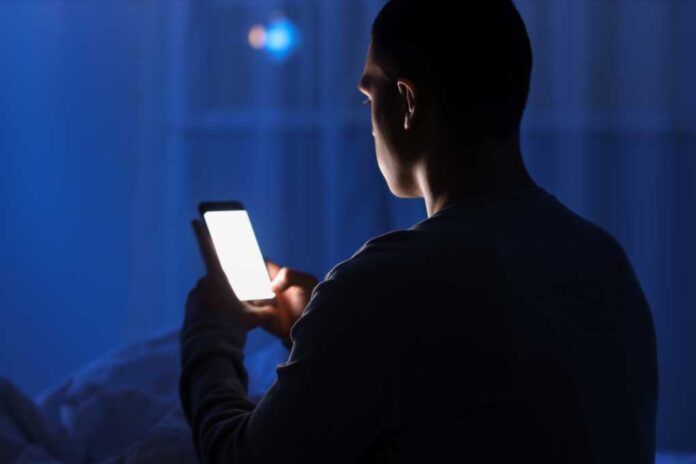
For now, Nelson’s message is clear: light at the wrong time is not harmless. The science, once obscure, is now a call to action. The next time you reach for your phone at midnight, remember—your brain, your mood, and your future health may depend on what you see in the dark.
Sources:
ScienceBlog: Artificial light at night rewires your brain and body—not in a good way
Earth.com: Hidden health crisis—how artificial light disrupts our bodies
StudyFinds: How artificial light after dark rewires brain
EurekAlert: How artificial light at night damages brain health and metabolism
ScienceDaily: The hidden ways light at night damages your brain, mood, and metabolism