
Expanded Medicare coverage could transform access to weight loss drugs for millions.
Story Snapshot
- Medicare and Medicaid to cover GLP-1 drugs, expanding access for obesity treatment.
- The Trump administration partners with Eli Lilly and Novo Nordisk under the GENEROUS model.
- New policy targets the obesity epidemic with government-subsidized pharmaceutical access.
- Coverage expansion marks a significant shift from previous Medicare policies.
Policy Shift in Medicare Coverage
On November 6, 2025, President Donald Trump announced a groundbreaking policy: the GENEROUS model, which significantly expands Medicare and Medicaid coverage for GLP-1 receptor agonists. These drugs, originally approved for diabetes, now offer new hope for weight loss treatment. The collaboration with Eli Lilly and Novo Nordisk marks a major shift, as the program introduces coverage for obesity, previously limited to diabetes or cardiovascular indications. This initiative aims to address the obesity epidemic, impacting around 10% of Medicare beneficiaries.
The phased implementation includes three stages of eligibility. By mid-2026, Medicare will initiate coverage through a pilot program. The plan prioritizes individuals based on BMI and comorbidities, offering a structured and risk-stratified approach. The transition from pilot to mandatory coverage is expected by 2027. This model represents a departure from previous Medicare policies, offering a new framework for obesity treatment under federal programs. Get weight loss support with zero judgment. Start your free GLP 1 eligibility check today.
Watch:
Historical Context and Developments
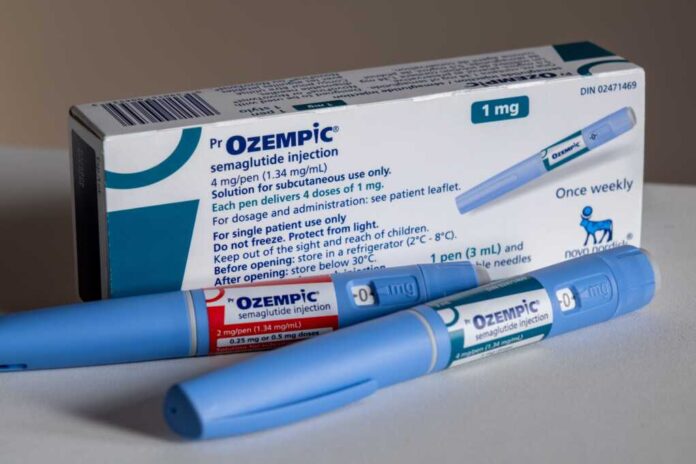
GLP-1 receptor agonists, such as Ozempic and Wegovy, initially received FDA approval for diabetes management before gaining traction for weight loss. Prior to the GENEROUS model, Medicare’s coverage was limited, leaving many obese beneficiaries without access. This policy shift follows growing recognition of obesity as a public health crisis, with the Biden administration’s proposal previously shelved by the Trump administration.
While the federal government has embraced this expansion, some state Medicaid programs have moved in the opposite direction. For instance, California’s Medi-Cal and North Carolina Medicaid have discontinued coverage for GLP-1 weight loss medications, highlighting a contrast in state and federal approaches. The pharmaceutical market has seen explosive growth, but high costs have created significant barriers to access, particularly for lower-income populations. Find out if GLP 1 medication is right for you.
Stakeholders and Interests
The GENEROUS model is a result of negotiated agreements between the Trump administration and pharmaceutical giants Eli Lilly and Novo Nordisk. For these companies, the policy offers expanded market access and revenue growth. The administration gains political credit for cost containment efforts, while beneficiaries stand to gain access to previously unaffordable medications. However, implementation poses challenges, such as provider education and beneficiary enrollment, which require careful management. The phased eligibility criteria, based on BMI and comorbidities, aim to target those most in need.
Economic and Social Implications
The financial implications of the GENEROUS model are profound. Economic modeling suggests that even with optimistic assumptions, net Medicare spending will increase substantially, raising questions about long-term viability. The program’s projected costs, coupled with health care savings from clinical benefits, suggest a complex fiscal landscape.
Socially, the policy addresses health equity by making weight loss medications accessible to lower-income populations. However, potential disparities in access and eligibility criteria may challenge this goal. This model may set a precedent for future policy frameworks for other high-cost medications.
Sources:
Ritter Insurance Marketing
JAMA Health Forum
American Action Forum
Georgetown Policy Compendium
Segal Consulting
White House Fact Sheet
Kiplinger
California Medical Association
North Carolina Medicaid