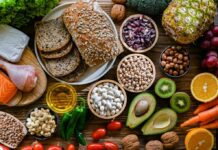


A single, strategic change to your grocery list could cut your risk of dying from heart disease or any cause by more than a fifth.
Story Snapshot
- Major studies reveal plant-based dietary patterns reduce mortality by 21–23% for people with high cholesterol.
- Mediterranean and Portfolio diets deliver benefits across age, gender, and ethnicity, with effects far beyond cholesterol lowering.
- Ultra-processed foods fuel the opposite trend—raising risk by up to 26%.
- American health authorities now recommend dietary change as a first-line defense, shifting decades-old food policy.
Rigorous Long-Term Studies Rewrite the Cholesterol Playbook
From 2020 to 2025, a wave of large-scale cohort studies overturned long-held beliefs about cholesterol management. Instead of focusing on single nutrients or the latest superfood, researchers tracked hundreds of thousands of adults with elevated cholesterol for up to 25 years. The verdict: those who consistently ate diets rich in nuts, fruits, vegetables, legumes, and whole grains slashed their risk of death—whether from cardiovascular causes or any cause—by over 21 percent compared to their less plant-forward peers.
This finding is not a statistical blip. The Mediterranean and Portfolio diets, both emphasizing unprocessed, plant-based foods, outperformed standard dietary advice in every demographic studied. The Portfolio Diet, in particular, combines cholesterol-lowering elements—nuts, soy, viscous fiber, and plant sterols—delivering measurable improvements even when compared to statins in some trials.
Watch:
Guidelines Pivot Toward Food, Not Just Numbers
Health organizations, including the American Heart Association and American College of Cardiology, now actively promote plant-focused diets as a primary strategy for high cholesterol management. This marks a sharp pivot from the days of simply counting cholesterol milligrams or demonizing a single food group. Instead, the focus is on what people should eat more of—nuts, beans, berries, whole grains, and healthy oils—rather than just what to avoid. This approach empowers individuals, especially those over 40 facing rising cholesterol, to make choices proven to extend not just lifespan, but healthspan.
Ultra-Processed Foods: The Hidden Saboteur
While plant-based diets gained the scientific spotlight, ultra-processed foods lurked in the background, fueling the opposite trend. People with high cholesterol who consumed the most processed snacks, sugary drinks, and packaged foods saw a 19–26% increase in mortality risk. This isn’t just a matter of calories or sugar—the additive-laden, fiber-poor nature of these foods disrupts metabolism and drives inflammation, undermining even the best cholesterol-lowering efforts.
Industry, Patients, and Policy: A New Era for Heart Health
The implications ripple far beyond the clinic. Individuals with high cholesterol are not just lowering a lab number—they are investing in years of life. Healthcare systems anticipate savings as cardiovascular events decline. Policymakers debate national guidelines, increasingly aligning with the robust evidence for plant-based dietary patterns.
Skeptics still question whether it’s the cholesterol, inflammation, or some other pathway that matters most. Yet across every analysis, the bottom line holds: for those over 40, dietary change is not just an option—it is a proven prescription for living longer and better. The next time you reach for a snack, remember: every bite is a vote for your lifespan.
Sources:
European Journal of Preventive Cardiology
Portfolio Diet Cohort – PubMed
American Heart Association – Cholesterol Guidelines
JAMA Network Open – Mediterranean Diet Study