

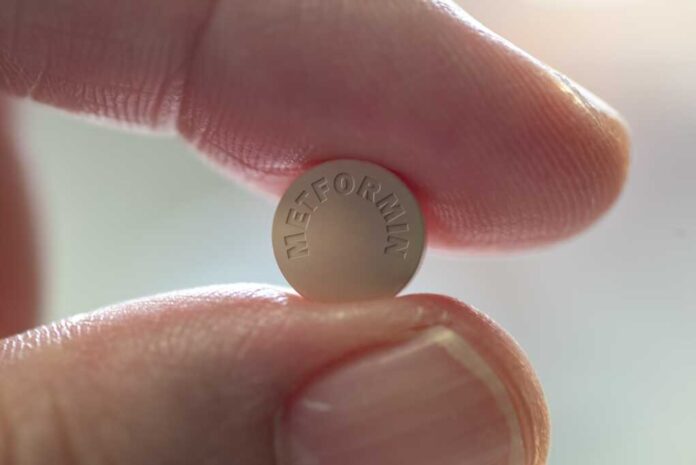
Metformin’s secret may not be in blood sugar at all, but in the metals coursing through your veins—a discovery that could upend everything we thought we knew about disease, aging, and the future of drug design.
Story Snapshot
- Metformin alters copper, iron, and zinc levels in human blood—first confirmed in a major clinical study.
- This metal-shifting effect may explain metformin’s wide-ranging health benefits, from diabetes management to cancer prevention.
- Researchers at Kobe University have revealed a new mechanism that could drive future drug innovation.
- The findings challenge decades of assumptions about how this common diabetes drug actually works.
Metformin’s Metal Mystery Emerges in Human Blood
For decades, doctors prescribed metformin as the unassuming workhorse for type 2 diabetes, often without a second thought about how the drug truly works. That era of comfortable ignorance ended when researchers at Kobe University pulled back the curtain on a chemical secret: metformin doesn’t just lower blood sugar, it juggles the metals in your bloodstream. Their 2025 study showed, for the first time in humans, that metformin significantly reduces copper and iron while boosting zinc. This metal manipulation could be the hidden switch behind the drug’s surprising ability to fight not just diabetes, but cancer and chronic inflammation as well.
Blood samples from 189 adults with type 2 diabetes—half taking metformin, half not—revealed these striking differences. Metformin users had lower copper (16.0 vs 17.8 µmol/L), lower iron (16.3 vs 17.3 µmol/L), and higher zinc (13.3 vs 12.5 µmol/L) compared to their non-metformin peers. These changes weren’t subtle, and they weren’t accidental. The results provide the first credible clinical evidence that metformin’s effects extend far beyond glucose regulation, reaching into the body’s fundamental metal chemistry.
The Forgotten Origins of a Blockbuster Drug
Metformin’s roots go back to the French lilac, a plant used in folk medicine centuries before the drug’s arrival in pharmacies. For over 60 years, physicians have relied on it as a first-line defense against type 2 diabetes, drawn by its unmatched safety and cost-effectiveness. Yet, despite its widespread use, metformin’s precise method of action has long been an enigma. Early laboratory studies hinted at a connection between metformin and metal binding—particularly copper—but until now, the evidence in humans was thin and inconsistent. This new study from Kobe University finally bridges the gap between test tube curiosity and clinical reality, confirming what many suspected: metals are at the heart of metformin’s magic.
Animal research and in vitro experiments laid the groundwork, suggesting that copper, iron, and zinc are not just passive bystanders in metabolic disease, but active players influencing inflammation, insulin sensitivity, and even cancer risk. Observational data linked imbalances in these metals to worse outcomes in diabetes. The Kobe study pushes this narrative forward, suggesting that metformin’s manipulation of these metals is not a side effect, but perhaps the very mechanism driving its benefits.
The Stakeholders and the Stakes
Behind the scenes, the Kobe University team, led by Dr. Wataru Ogawa, orchestrated a study with repercussions far beyond academic journals. For doctors and patients, the findings could inform new clinical guidelines—monitoring metal levels may become as routine as checking blood sugar. For pharmaceutical companies, the research opens a gold rush for metal-modulating drugs, possibly giving rise to a new generation of treatments for diabetes, cancer, and inflammatory diseases. Patients stand to benefit most, with the potential for safer, more personalized therapies based on their unique metal profiles.
Decision-makers at diabetes associations and peer-reviewed journals will soon face pressure to update their recommendations. The pharmaceutical industry, always on the hunt for the next blockbuster, is already eyeing this research for clues to leapfrog existing treatments. If metformin’s broad benefits stem from its ability to tweak copper, iron, and zinc, then future drugs might target these metals even more precisely—offering hope to millions with chronic diseases that current therapies can’t touch.
Ripple Effects and Unanswered Questions
The Kobe University study, published in September 2025, has already sent ripples through the scientific community. The short-term implications are clear: clinicians may begin to monitor trace metals in patients on metformin, tailoring treatment to optimize not just glucose control, but overall health. The longer view is even more dramatic. If metal modulation is the key, drugs inspired by metformin’s effects could tackle diseases far beyond diabetes—including cancer and cardiovascular conditions linked to oxidative stress and inflammation.
Metformin’s mysterious metal effect could explain its big health benefits – https://t.co/PrVysHhOez
— Ken Gusler (@kgusler) September 3, 2025
Yet, questions remain. Some experts urge caution, noting that too little copper or iron could pose risks, and the long-term effects of shifting these metals are not fully understood. Larger, longer studies will be needed to confirm safety and clarify which patients stand to benefit most. Still, the consensus is that the Kobe study represents a breakthrough—a rare instance where a familiar drug reveals an entirely new side to its story, with profound implications for medicine and drug development.
Sources:
BMJ Open Diabetes Research and Care (PubMed)