
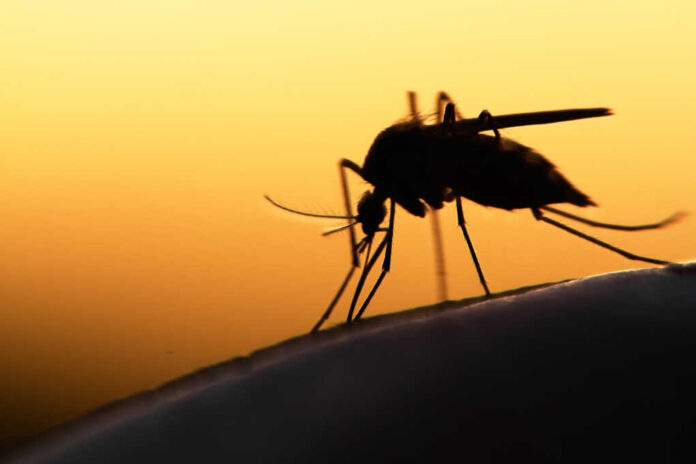
A new malaria drug, GanLum, could turn the tide in a global health crisis just as the disease’s most trusted treatments begin to fail.
Story Snapshot
- GanLum achieves a 99.2% cure rate, outpacing current malaria treatments now weakened by drug resistance.
- Clinical trials in Africa reveal GanLum’s power against resistant malaria strains that threaten decades of progress.
- Novartis’s breakthrough hints at renewed hope in antimalarial innovation after a 25-year drought.
- Regulatory review looms, with health leaders watching for rapid deployment in high-risk regions.
Malaria’s Shifting Battlefield: Resistance Threatens an Old Guard
For decades, artemisinin-based combination therapies (ACTs) have stood as the backbone of global malaria treatment, rescuing millions of lives from a disease that still claims a child every minute in sub-Saharan Africa. That sense of control is now slipping. Reports of artemisinin resistance first surfaced in Southeast Asia, then rippled into Africa—where 95% of all malaria deaths occur. The emergence of ACT-resistant Plasmodium falciparum threatens to unravel years of painstaking progress, setting a dangerous precedent reminiscent of the fall of chloroquine and other drug regimens.
GanLum’s Arrival: Science Delivers a Lifeline
GanLum, developed by Novartis, is the first antimalarial drug in over 25 years with a novel mechanism—combining ganaplacide and lumefantrine to disrupt the parasite’s protein transport, an Achilles’ heel for Plasmodium survival. Late-stage clinical trials in twelve African countries tested GanLum against the toughest adversaries: malaria strains already showing resistance to ACTs. The results were striking. GanLum cured 99.2% of cases, outperforming the 96.7% cure rate of current standard treatments, and remained effective against resistant variants.
NPR: New malaria drug could be a life-saver as the standard drug shows signs of weakness https://t.co/bC5dpeednA
— xalfeed (@xalfeed) November 12, 2025
Despite these promising results, caution persists. The trial data, announced at a scientific meeting, has yet to undergo peer review, and experts like Dr. Alena Pance urge further research—especially in severe malaria and other Plasmodium species. Still, the prospect of a new, highly effective drug entering the regulatory pipeline has galvanized stakeholders across the malaria field, from WHO guideline committees to African health ministries.
The Power Players: Who Decides Malaria’s Next Chapter?
GanLum’s fate now rests in the hands of regulatory agencies in Africa, Europe, and the United States, as Novartis prepares its submission. The World Health Organization’s Malaria Policy Advisory Group will weigh clinical trial data and decide if GanLum should become the new standard of care. Meanwhile, funding bodies from the European Union, Germany, and the UK—alongside national malaria control programs—are readying for potential shifts in procurement and deployment. African trial sites, which provided crucial context and data, hold leverage in shaping real-world rollout strategies.
Watch:
Stakeholders must also navigate broader industry implications. GanLum’s success could spark renewed interest and investment in antimalarial drug research, ending the long drought that followed the ACT revolution.
What’s Next: GanLum’s Impact
If GanLum wins approval, its deployment could be swift, especially in high-burden African countries where rising drug resistance has health systems on edge. In the short term, this could mean a dramatic reduction in malaria deaths and healthcare costs, alleviating pressure on hospitals and families alike. Long-term, GanLum may delay or prevent a resurgence of malaria driven by drug resistance, becoming the new cornerstone of global malaria control. The ripple effects could reshape research funding, policy priorities, and industry momentum for years to come.
Sources:
Euronews
UNN
UCSF
University of Maryland School of Medicine
News-Medical