

Seven daily choices may hold the power to keep Parkinson’s disease at bay, and the science behind them is turning heads in the neurology world.
Story Snapshot
- Physical activity and plant-based diets emerge as leading shields against Parkinson’s disease.
- Caffeine, social engagement, and environmental risk avoidance are gaining traction as brain-protective habits.
- No single behavior guarantees prevention, but a combination may substantially lower risk.
- Major clinical centers are updating guidelines as new evidence reshapes prevention strategies.
Physical Activity: The Most Consistent Protector
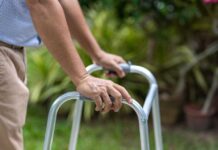
Mounting evidence from decades of epidemiological research points to regular physical activity as the single most robust lifestyle factor for reducing Parkinson’s disease risk. Studies tracking large cohorts since the 1990s consistently report that individuals engaging in moderate to vigorous exercise—especially activities that get the heart rate up—are less likely to develop Parkinson’s. Mechanistically, aerobic exercise does more than tone muscles; it appears to trigger a cascade of protective effects, from reducing inflammation to boosting brain-derived neurotrophic factor (BDNF), which supports neuron survival and repair.
7 key behaviors that could shield your brain from Parkinson’s disease:
As the global population ages, the prevalence of Parkinson’s continues to rise, with an estimated 25 million people expected to be living with the neurological disease by 2050.The … https://t.co/w9B9XnhghB
— Elwin Sidney (@ElwinSidney) October 24, 2025
Diet and the Power of Plants
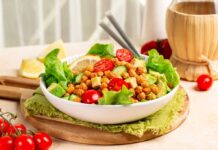
Researchers are converging on the Mediterranean-style diet—rich in leafy greens, berries, legumes, whole grains, and healthy fats—as another powerful line of defense. Plant-based diets deliver a potent mix of antioxidants and anti-inflammatory compounds, which may help shield dopamine-producing brain regions from damage. Mass General Brigham reports that people with high intake of plant foods consistently show lower Parkinson’s risk. These findings have shifted conversations in neurology clinics, where prevention advice now highlights not just what to avoid, but what to embrace: more fiber, more colorful produce, less processed fare.
Caffeine, found in coffee and tea, is also associated with a reduced risk of Parkinson’s. Multiple meta-analyses suggest that moderate caffeine intake may modulate dopamine pathways implicated in the disease. While experts caution against overconsumption or using caffeine as a cure-all, it now holds a place in the growing toolkit of risk-reducing behaviors.
Taming Environmental and Lifestyle Risks
Decades of research implicate certain environmental exposures—especially pesticides and industrial toxins—in elevating Parkinson’s risk. Avoiding these hazards, whether by choosing organic foods or using protective gear, is increasingly emphasized in public health messaging. Maintaining a healthy weight also matters; obesity has emerged as a modifiable risk factor, likely due to its role in metabolic stress and inflammation.
Social and cognitive engagement—think book clubs, puzzles, volunteering—round out the list of protective behaviors. While the evidence here is newer, studies suggest that staying mentally and socially active may help build cognitive reserve and buffer the brain against age-related decline.
What Science Knows, and What Remains Unproven
No single lifestyle tweak offers a guarantee. Parkinson’s is multifactorial; genetics, environment, and chance all mingle in its emergence. Some controversial factors, like tobacco, show associations with lower risk, but the health trade-offs render them untenable. Experts agree that risk reduction is about stacking the deck using behaviors with the strongest, most consistent evidence. Major clinical and research centers, including Mayo Clinic and Mass General Brigham, are updating patient guidelines as new studies surface. The consensus: multifaceted prevention works best, and it’s never too late to start.
Sources:
PMC: Physical Activity and Parkinson’s Disease Risk
Mayo Clinic: Parkinson’s Disease Symptoms and Causes
PubMed: Parkinson’s Disease Prevention Update
UMMS: Two Best Ways to Prevent Parkinson’s Disease
Mass General Brigham: Parkinson’s Disease and Diet
Cleveland Clinic: Parkinson’s Disease Overview
Medical News Today: Can Parkinson’s Disease Be Prevented?
Norton Healthcare: Parkinson’s Disease Prevention