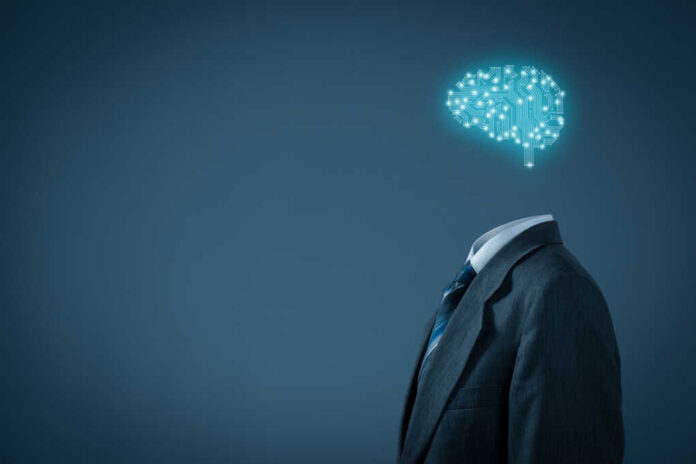
Gene editing and brain implants may sound unsettling, but they’re now at the heart of medicine’s most powerful life-saving breakthroughs.
Story Highlights
- Technologies once considered controversial—like gene editing and brain-computer interfaces—are now saving lives and redefining healthcare.
- Major milestones from Nobel Prize-winning research and FDA approvals mark a new era of personalized medicine.
- Ethical debates remain, but real-world patient outcomes are shifting public perception.
- AI, synthetic organs, and neural implants are moving from experimental to clinical reality, with profound implications for society.
From Creepy to Crucial: Science’s Most Unsettling Breakthroughs Now Saving Lives
Gene editing, AI diagnostics, and brain implants have stepped out of the realm of science fiction and into hospital wards, transforming treatments for patients once considered untreatable. In 2020, the Nobel Prize for CRISPR/Cas9 gene editing signaled a seismic shift: scientists could now precisely edit DNA, targeting genetic diseases at their root. By 2023, the FDA approved CRISPR therapies for sickle cell disease, a decision built on mountains of data and years of scrutiny. What began as an unnerving concept—manipulating the genetic code—became a beacon of hope for families grappling with inherited disorders.
It sounds creepy, but these scientific breakthroughs could save lives https://t.co/MxJfwg3hMG
— Zicutake USA Comment (@Zicutake) October 30, 2025
Brain-computer interfaces, once the stuff of dystopian thrillers, are now giving paralyzed patients the ability to communicate through neural implants. In 2025, a breakthrough allowed one patient to speak for the first time in years, using only brain signals and a device embedded beneath the skull.
Watch: Creepy Science Breakthroughs That Could Save Lives: Mini-Brains, Spider Gloves & More
The Decades-Long Path to Today’s Medical Revolution
Medical innovation has always danced on the edge of discomfort. In 1965, researchers stumbled across cisplatin’s cancer-fighting properties while investigating chemical reactions, not searching for a cure. The human genome mapping project unlocked new doors, but it took the relentless pursuit of scientists like Emmanuelle Charpentier and Jennifer Doudna to make gene editing a practical reality. Their work, supported by collaboration between universities, government agencies, and philanthropic organizations, set the stage for a wave of breakthroughs—from synthetic organs to AI-driven diagnostics.
Ethical Debates and Real-World Impact: Where Science Meets Society
The ethical debates surrounding these technologies are far from settled. Gene editing raises questions about designer babies and unintended consequences, while brain implants spark fears about mental autonomy and surveillance. Regulatory bodies like the FDA play a critical role as gatekeepers, weighing risks against the urgent need for new therapies.
Despite the controversy, the real-world impact is impossible to ignore. Advances in stem cell transplants have dramatically improved survival rates for children, and new mitochondrial protein targets are enhancing cancer immunotherapy. AI-powered diagnostics and CRISPR therapies are moving from clinical trials to everyday practice.
What’s Next: Open Questions and the Path Forward
As these “creepy” breakthroughs become mainstream, the tension between public perception and scientific progress remains. Will society embrace gene editing for non-medical enhancements? Can we trust AI to make life-and-death decisions? How much autonomy should patients have over their own biology? While some experts urge caution, the evidence from Nobel Prize-winning research, FDA approvals, and clinical success stories is mounting. The next chapter will be written by patients whose lives are changed, lawmakers who shape policy, and scientists who push the boundaries of possibility.
Sources:
Spartan Research Makes Medical Breakthroughs Happen
Future of Health (Nobel Prize)
Seven Life-Changing Health Breakthroughs (Duke University)
Four Medical Advances Are Improving Care and Saving Lives (AAMC)
Global Health Innovations (Gates Foundation)
Saving Lives With Science (UCSF)
2025 Medicine Science News (St. Jude)