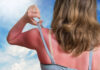


Sunlight silently destroys your skin’s foundation, turning it crepe-like decades before inevitable aging does.
Story Snapshot
- Chronic UV exposure breaks down collagen and elastin, causing thin, wrinkled crepey skin primarily after age 40.
- Prevention starts with daily broad-spectrum sunscreen, protective clothing, and sun avoidance.
- Treatments range from retinoid creams and moisturizers to lasers and radiofrequency procedures.
- Other factors like hormones, weight changes, and smoking accelerate the damage.
- Dermatologists agree: rigorous sun protection reverses the trajectory more effectively than any cure.
Crepey Skin Emerges from UV Damage
Chronic ultraviolet exposure degrades collagen and elastin fibers in the dermis. Skin thins, loses elasticity, and develops a finely wrinkled texture resembling crepe paper. This photoaging dominates chronological aging alone. Upper inner arms, neck, décolletage, eyelids, and knees show changes first due to thin skin and high sun exposure. Women in their 40s and 50s notice it most, but heavy tanners see it in their late 20s.
UV Rays Trigger Irreversible Breakdown
UV radiation penetrates skin layers and impairs moisture retention while fragmenting structural proteins. Elastin fibers clump into dysfunctional masses, preventing skin snap-back. Dermal thinning reduces the supportive matrix. Dermatologists from U.S. Dermatology Partners confirm prolonged sunlight exposure as the main cause. Cleveland Clinic traces crepey texture directly to this sun damage over expression wrinkles.
Watch:
Got a health question? Ask our AI doctor instantly, it’s free.
Hormones and Lifestyle Amplify the Problem
Menopause drops estrogen, slashing collagen production by 30% in the first five years. Weight fluctuations stretch and deflate skin. Smoking constricts blood vessels, starving skin of oxygen. Dehydration, poor sleep, stress-induced cortisol, alcohol, and pollution add oxidative stress. Long-term prednisone use mimics UV effects by causing atrophy. These factors compound UV damage, but sunlight remains primary.
Meet My Healthy Doc – instant answers, anytime, anywhere.
Prevention Shields Skin from Cumulative Harm
Apply broad-spectrum SPF 30+ daily, even indoors or cloudy days. Wear UPF clothing, hats, and seek shade between 10 a.m. and 4 p.m. Moisturize twice daily with hyaluronic acid or ceramides to lock in hydration. Antioxidants like vitamin C neutralize free radicals. Quit smoking and stabilize weight. REN Dermatology stresses prevention outperforms reversal. Common sense aligns: protect what builds over decades.
Watch:
Topical Treatments Rebuild from Within
Retinoids boost collagen synthesis and cell turnover, thickening dermis over 3-6 months. Alpha-hydroxy acids exfoliate surface irregularities. Prescription moisturizers repair the barrier. Antioxidants combat ongoing damage. Dr. Kassouf at Cleveland Clinic recommends these for mild cases. Patients see smoother texture without downtime. Conservative approach favors evidence-based topicals before invasives.
Discover your personalized skin treatment plan.
In-Office Procedures Deliver Lasting Thickening
Fractional lasers vaporize micro-columns, spurring new collagen. Radiofrequency heats deep layers for tightening. Microneedling with radiofrequency enhances remodeling. Biostimulatory fillers like Sculptra stimulate volume. Dr. McMahan endorses these for moderate crepiness. Multiple sessions yield 50-70% improvement. Facts support procedures when topicals fall short, prioritizing safety and results.
Sources:
https://www.revivalabs.com/crepey-skin-vs-wrinkles/
https://www.usdermatologypartners.com/blog/crepey-skin/
https://www.simplyderm.com/crepey-skin-who-what-where-and-when-how-2/
https://arsenaultdermatology.com/crepey-areas-skin/
https://rendermatology.com/crepey-skin-causes-prevention-and-treatment/
https://health.clevelandclinic.org/whats-causing-your-crepey-skin-and-how-can-you-fix-it
https://www.medicalnewstoday.com/articles/320789
https://www.mayoclinic.org/diseases-conditions/wrinkles/symptoms-causes/syc-20354927
https://pmc.ncbi.nlm.nih.gov/articles/PMC10647560/