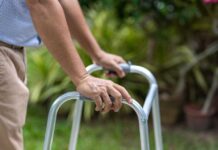


Experts agree: regular physical activity stands above all other habits as the most powerful lever you can pull to slow the march of aging—turns out, every step you take may be a step away from disease, decline, and dependency.
Story Snapshot
- Exercise ranks as the #1 expert-recommended habit for slowing aging, with sleep a close contender.
- Large studies and clinical trials consistently link regular physical activity to reduced disease, better cognition, and longer healthspan.
- Quality sleep is now recognized as critical for brain health and cellular repair.
- Multi-factor approaches (including diet and social engagement) matter, but exercise and sleep show the highest evidence strength.
Why Science Puts Exercise at the Top
Decades of research have mapped the aging process down to the cellular level, and what stands out is movement. In the late twentieth century, the discovery of telomeres—protective caps on DNA—revealed that exercise can actually preserve these vital structures, slowing cellular aging. Studies from the National Institutes of Health and National Institute on Aging established that adults who maintain regular physical activity see significantly lower rates of heart disease, diabetes, and dementia. The evidence is not based on fads or hearsay; it comes from large cohort studies, clinical trials, and direct measurement of biological markers.
Physical activity does not mean running marathons or living at the gym. Both aerobic and strength training—even brisk walking—help preserve muscle mass, improve immune function, and protect brain health. Experts like Dr. Steven Austad explain that the benefits of exercise are “broad and underappreciated,” spanning cardiovascular, cognitive, and musculoskeletal systems. The message: movement keeps you younger, inside and out.
Sleep: The Surprising Second Pillar
While exercise claims the top spot, quality sleep is rapidly gaining recognition as an anti-aging force. University of Florida research published in 2025 found that good sleep, along with optimism and social support, can make the brain appear up to eight years younger on imaging scans. Sleep is essential for clearing toxins from the brain, a process scientists now attribute to the glymphatic system. Poor sleep accelerates cognitive decline, while consistent quality rest repairs cells, consolidates memory, and bolsters resilience to stress.
Dr. Austad and other gerontologists now emphasize sleep hygiene nearly as much as regular exercise. The consensus is clear: neglecting sleep speeds the aging process, while prioritizing it amplifies the benefits of other healthy habits.
How Diet and Social Connections Fit In
Diet and social engagement round out the anti-aging toolkit, though the evidence is slightly less robust. Diets rich in plants, healthy fats, and lean proteins—such as the Mediterranean diet—support metabolic and cardiovascular health. Social engagement protects against loneliness, depression, and cognitive decline. Blue Zones research highlights communities where daily movement, plant-based eating, and close social ties combine for extraordinary longevity. Yet, when experts weigh the direct impact on aging markers, exercise and sleep take precedence.
Multi-factor approaches work best. NIH studies show that combining regular exercise, sleep hygiene, healthy eating, and social activity produces additive effects—delaying disease, extending healthspan, and supporting cognitive function.
Why Experts Reject Fads and Focus on Evidence
The anti-aging market is flooded with supplements and extreme diets, but experts caution that few offer substantial benefits. Peer-reviewed studies and NIH-funded trials repeatedly support physical activity and sleep over any pill or radical regimen. The shift in public health advice reflects this: recommendations center on accessible, proven habits, not costly or complicated interventions.
The power dynamics in the longevity discussion favor researchers and health agencies who set guidelines, but media and influencers sometimes sensationalize less effective trends. Conservative values and common sense align with the evidence: simple, sustainable habits—especially movement and sleep—are the foundation of healthy aging, reducing healthcare costs and improving quality of life for aging populations.
Sources:
The Best Fitness Habits to Slow Aging
What Do We Know About Healthy Aging
Habits Longevity Researcher Follows for Healthy Aging