
Most women over 60 are quietly missing out on the single nutrient that could fortify their bones, muscles, hormones, and immune system—yet few realize the daily consequences until it’s too late.
Story Snapshot
- Vitamin D deficiency is rampant among women over 60 and directly impacts bone, muscle, and hormone health.
- Dietitians rank vitamin D as the top nutrient for healthy aging, but most older women don’t get enough through diet or sunlight.
- Low vitamin D levels heighten risks for osteoporosis, diabetes, heart disease, and frailty.
- Simple strategies—diet, supplements, and sun exposure—can help women safeguard their health as they age.
Vitamin D Deficiency: The Silent Saboteur in Healthy Aging
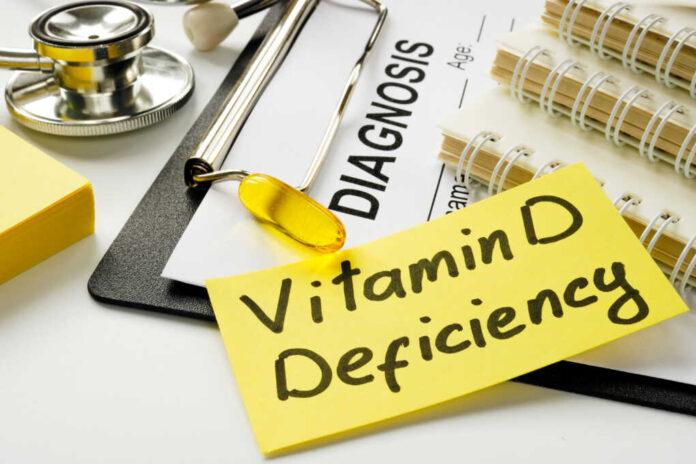
Vitamin D deficiency is so common in women over 60 that dietitians warn it’s become one of the most overlooked health risks of aging. The body’s ability to produce vitamin D declines with age, and postmenopausal women face a “double hit”—less sun exposure and lower estrogen, both of which diminish vitamin D levels. When vitamin D is lacking, bones weaken, muscles lose strength, and hormone imbalances become more pronounced, raising the risk of osteoporosis, diabetes, and cardiovascular disease.
Many older women believe their calcium intake alone can stave off bone loss, but without sufficient vitamin D, the body cannot absorb or utilize calcium effectively. Clinical studies confirm that supplementing with both calcium and vitamin D leads to higher bone mineral density and lower risk of hip fractures in postmenopausal women. Yet, the majority of women over 60 still fall short of the recommended 600 to 800 IU of vitamin D per day, often because they spend more time indoors or use sunscreen diligently.
Why Muscles and Hormones Depend on Vitamin D
Vitamin D’s reputation for bone health is well known, but its role in maintaining muscle strength and hormone balance is just as critical. Muscle tissue contains vitamin D receptors, and adequate levels help preserve muscle function, boost coordination, and reduce the risk of falls—a major concern for aging adults. Clinical research links low vitamin D to sarcopenia, the age-related loss of muscle mass and strength, which can rob older women of mobility and independence.
Hormones are also at the mercy of vitamin D status. After menopause, declining estrogen and reduced vitamin D production create the perfect storm for hormone disruption. Vitamin D helps regulate parathyroid hormone, supports insulin sensitivity, and aids thyroid function, making it essential for metabolic health. Deficiency can accelerate bone loss, impair blood sugar control, and exacerbate thyroid disorders, while also contributing to mood swings, sleep disturbances, and inflammation—all factors that undermine quality of life after 60.
Immune System Support and the Ripple Effect of Deficiency
Vitamin D is a cornerstone of immune health, activating both the body’s immediate defenses and its longer-term ability to fight off infections. Immune cells like monocytes and lymphocytes rely on vitamin D to coordinate responses to pathogens. Research suggests that optimal vitamin D levels can help older women ward off illness and recover more quickly, but deficiency remains a widespread problem—especially in northern climates or among those who avoid direct sunlight.
The ripple effects of chronic vitamin D deficiency extend beyond bones and immunity. Unchecked, low levels can magnify age-related risks for osteoporosis, fractures, diabetes, cardiovascular disease, and even cognitive decline. Dietitians emphasize that vitamin D is not a magic bullet, but it’s a fundamental nutrient that supports nearly every system involved in healthy aging.
Getting Enough Vitamin D: Food, Sun, and Supplements
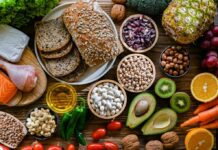
Few foods naturally contain vitamin D, making it challenging for older women to meet their needs through diet alone. Fatty fish like salmon, mackerel, sardines, and trout are among the richest sources, alongside eggs, fortified dairy products, and fortified plant milks such as soy, almond, or oat. Some mushrooms offer modest amounts, and fortified breakfast cereals can help fill gaps.
Safe sun exposure remains a reliable way to boost vitamin D, but factors like geography, skin coverage, and sunscreen use often limit its effectiveness. Supplementation is widely recommended for women over 60, especially those with limited outdoor activity or dietary restrictions. Pairing vitamin D with other key nutrients—protein for muscle preservation, calcium for bone strength, and vitamin B12 for nerve health—creates a powerful foundation for aging well.
Sources:
Vitamin D Recommendations for 2024
The 7 Best Foods for Osteoporosis