

What if everything you thought you knew about adult braces was wrong—and that belief is costing you your health, confidence, and maybe even a better night’s sleep?
Quick Take
- Record numbers of adults are getting braces, shattering long-held myths about age and orthodontic treatment.
- New technologies like clear aligners have made adult orthodontics more discreet, comfortable, and accessible.
- Motivations for adult braces extend far beyond vanity, driving a surge in demand and market growth.
- Expert consensus and recent data debunk the most persistent myths about adult braces in 2025.
The Stubborn Myths That Refuse to Die
Despite decades of dental progress, myths about adult braces cling to the cultural imagination like spinach to an incisor. The idea that braces are “just for kids,” that adults are too old for straightening, or that treatment is purely cosmetic—these beliefs have lingered since the 1970s, when orthodontics for grown-ups was a rarity and a source of stigma. Yet by 2025, nearly two million American adults are in active orthodontic treatment, and the market for invisible options is booming. What changed? It’s time to interrogate the old tropes and see how today’s facts stack up against yesterday’s fiction.
Orthodontists and professional associations now routinely see patients well into their 40s, 50s, and beyond. Technological advances—clear aligners, ceramic braces—have mainstreamed adult orthodontics, minimizing both discomfort and embarrassment. These innovations not only address aesthetic concerns but also target functional improvements: correcting bite issues, reducing gum disease risk, and optimizing oral health. The American Association of Orthodontists reports that adults now make up about a third of all orthodontic patients in the U.S., with patient numbers at all-time highs. In less than a generation, what was once a teenage rite of passage has become a normal, even celebrated, adult health choice.
Why Adults Are Flocking to the Orthodontist
The motivations behind the adult braces boom are complex and compelling. While straight teeth certainly boost confidence, most adults seek treatment for pragmatic reasons. Research links orthodontics to improved chewing, clearer speech, reduced jaw pain, and a lower risk of periodontal disease. Social acceptance has also undergone a dramatic shift, thanks partly to celebrity endorsements and social media visibility—no longer is there shame in seeking a better smile at 55. On the economic side, the global orthodontic market is projected to leap from $1.57 billion in 2025 to $2.43 billion by 2032, powered by adult demand and technological progress. Insurance coverage and flexible payment plans are more widely available, making treatment accessible to a broader population.
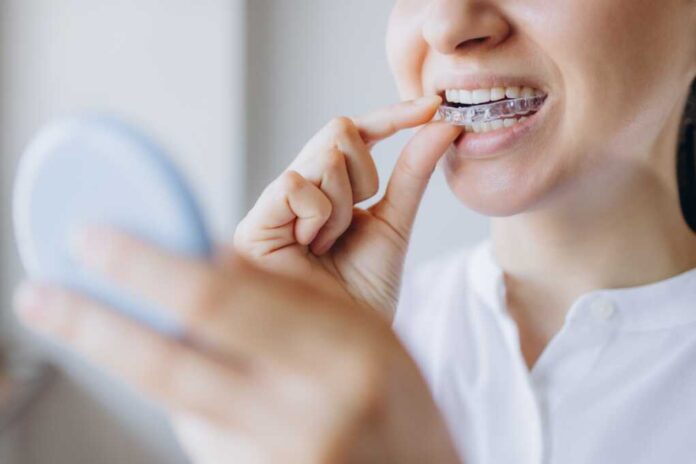
Clear aligners, in particular, have become the preferred choice for over half of adult orthodontic patients. Their near-invisibility, removability, and comfort have set a new standard for what adults expect from dental care. Manufacturers have responded with a flurry of innovations, and orthodontists are expanding their practices to cater specifically to adult needs. The result: higher fees, more options, and a level of personalization unimaginable even a decade ago.
Debunking the Myths, One Bracket at a Time
Let’s tackle the six most persistent myths.
First, age is not a barrier—bone can be gently coaxed to move at almost any stage of life. Second, eating with modern braces or aligners is less of a challenge than ever, with dietary restrictions dramatically reduced. Third, orthodontics is about more than looks; misaligned teeth can cause headaches, speech impediments, and even sleep disturbances.
Fourth, the days of “metal mouth” are largely over, with ceramic and plastic options blending seamlessly with natural teeth. Fifth, despite urban legends, braces do not set off airport metal detectors. Finally, adults who had braces as children may need retreatment, not due to failure but because teeth continue to shift throughout life. Every one of these myths is contradicted by empirical data and expert consensus, yet they persist—often preventing people from seeking treatment that could transform their health and lives.
Orthodontic professionals, backed by the American Association of Orthodontists and a wealth of clinical research, confirm that adult orthodontics is not only safe but also highly effective. Multiple studies now document improvements in oral function, long-term dental health, and even psychological well-being for adults who choose braces or aligners. While cost and access remain concerns—especially in underserved regions—the overall trend is toward normalization and broader insurance support. The conversation is shifting from “Why now?” to “Why not?” for adults considering orthodontic care in 2025.
Sources:
Statistics on Adult Orthodontics: Braces
Orthodontic Patient Numbers at All-Time High
The Essential Guide to Teeth Straightening Statistics in 2025
Adult Braces Are Rising: Find Out What’s Driving It