

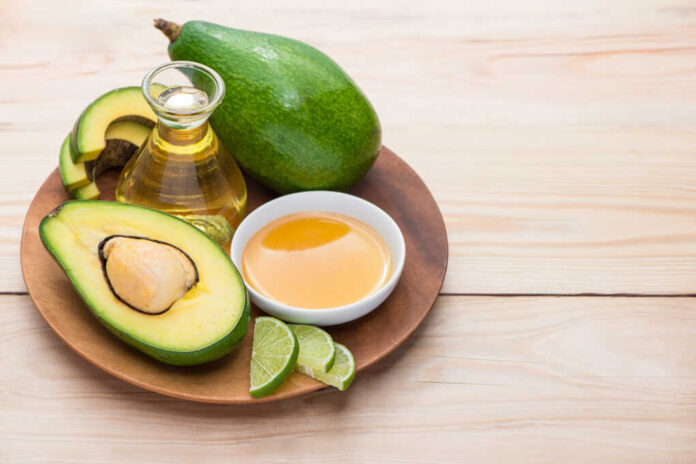
Choosing the right cooking oil could be your secret weapon in the fight against inflammation and heart disease.
Story Highlights
- Olive oil and avocado oil are top choices for heart and brain health.
- Ayurveda and modern science emphasize oils rich in unsaturated fats.
- Ghee remains popular but controversial due to its saturated fat content.
- Trans fats are universally discouraged due to health risks.
Understanding the Oils
The debate over cooking oils is as hot as a frying pan. The health impacts of oils like olive, avocado, and coconut are under constant scrutiny. Olive oil, especially extra virgin, is praised for its high monounsaturated fatty acids (MUFAs) and polyphenols, which offer powerful anti-inflammatory and antioxidant benefits. Avocado oil, similarly rich in MUFAs, is celebrated for its heart-healthy properties. These oils are recommended for their ability to lower LDL cholesterol and enhance cardiovascular health.
In contrast, oils high in saturated fats such as coconut and palm oil can raise LDL cholesterol levels, increasing cardiovascular risk. However, the medium-chain triglycerides in coconut oil are still being studied, adding a layer of complexity to its health profile. Meanwhile, Ayurveda champions ghee for its digestive and cognitive benefits, though its saturated fat content poses concerns for heart health according to modern science.
Ayurveda Meets Modern Science
Ayurveda, the ancient Indian system of medicine, has long promoted the use of certain fats, like ghee, for their purported health benefits. This holistic perspective aligns with some modern findings but also diverges in certain areas. Modern science focuses on the fatty acid compositions and their clinical outcomes. While Ayurveda emphasizes the quality and processing of oils, along with individual constitution (dosha), the scientific community often looks at the broader population-level data.
Both perspectives, however, converge on the idea that minimally processed oils rich in unsaturated fats are beneficial for longevity and reducing inflammation. This integration of traditional wisdom with contemporary research offers a comprehensive view for consumers seeking healthier cooking oil options.
The Evolution of Dietary Fats
The discussion around cooking oils is part of a larger narrative on dietary fats that began in the mid-20th century. Initially, saturated fats were vilified, leading to the promotion of vegetable oils. However, the discovery of the dangers posed by trans fats redirected focus towards oils high in MUFAs and PUFAs. Oils like olive, canola, and avocado have since gained popularity due to their cholesterol-lowering and anti-inflammatory properties.
The resurgence of interest in traditional fats, such as ghee and coconut oil, reflects a broader cultural movement towards integrative health practices. This trend is supported by both consumer demand for “clean” oils and ongoing scientific inquiry into their health effects.
Practical Guidance for Consumers
For consumers navigating this complex landscape, the key is to prioritize oils that align with both heart and brain health. Olive oil, particularly extra virgin, remains a top choice due to its robust profile of unsaturated fats and polyphenols. Avocado oil, with its high MUFA content, is another excellent option. Canola, walnut, and sesame oils also offer heart-healthy benefits.
On the other hand, oils high in saturated fats like palm and coconut should be used sparingly. Trans fats, found in partially hydrogenated oils, are strongly linked to cardiovascular risks and should be avoided. Ultimately, informed choices about cooking oils can contribute significantly to long-term wellness and disease prevention.
Sources:
Health Effects of Various Edible Vegetable Oil: An Umbrella Review
The Best and Worst Cooking Oils for Managing Cholesterol
Effects of oils and solid fats on blood lipids: a systematic review and network meta-analysis
The Evidence Behind Seed Oils Health Effects