

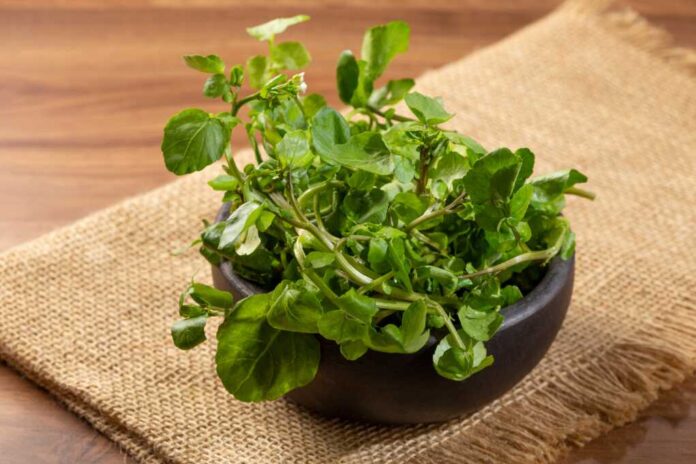
Watercress, the most nutrient-dense produce you can buy, has quietly outperformed all its famous leafy rivals and now stands at the epicenter of a nutritional revolution that could reshape your health and your grocery list.
Story Snapshot
- Watercress ranks as the most nutrient-dense vegetable, outshining kale and spinach
- Clinical research reveals watercress’s antioxidant, anticancer, and cardioprotective powers
- Rising interest in functional foods is fueling watercress’s resurgence in the wellness world
- Experts point to unique phytochemicals and real-world benefits, but call for more long-term studies
The Most Nutrient-Dense Vegetable You’re Not Eating
Watercress, long relegated to garnish status, now stands at the forefront of nutritional science. Peer-reviewed studies and powerhouse rankings have crowned it the top-scoring vegetable for nutrient density, beating out kale and spinach by a landslide. This isn’t about trendy superfood hype—it’s about rigorous analysis of vitamins, minerals, and protective compounds packed per calorie. Watercress delivers essential nutrients at concentrations unmatched even by its more famous cousins, making it a hidden powerhouse for those seeking real food with real benefits.
Centuries ago, watercress grew wild along streams in Europe and Asia, valued by ancient healers for treating everything from scurvy to hypertension. Modern science finally caught up in the early 2000s, with clinical trials confirming what folk medicine suspected: watercress isn’t just healthful, it’s powerfully therapeutic. Studies now demonstrate that daily consumption can reduce DNA damage, neutralize oxidative stress, and may even disrupt cancer cell growth in controlled settings. These breakthroughs thrust watercress into the scientific limelight, prompting nutritionists to reconsider its role in disease prevention and health maintenance.
What Makes Watercress a Functional Food Standout
Watercress distinguishes itself with a unique arsenal of bioactive compounds—particularly isothiocyanates, glucosinolates, and polyphenols. These phytochemicals, abundant in cruciferous vegetables, are found in especially high concentrations in watercress, giving it a profound impact on cellular health. Researchers credit these substances with watercress’s ability to protect DNA from oxidative damage, a key factor in cancer prevention and cardiovascular health. The vegetable’s dense vitamin K, C, and A content further bolsters immune support and bone strength, making it an all-around champion for wellness-conscious eaters and anyone looking to future-proof their diet.
Cardiologists and oncologists alike are giving watercress a second look. Clinical trials involving healthy adults have shown that regular watercress supplementation can lower markers of DNA damage, an early warning sign for cancer and aging. Other laboratory studies reveal its extracts can inhibit tumor cell proliferation and enhance the body’s own antioxidant defenses. This isn’t theory—it’s a growing body of evidence pointing toward tangible, measurable benefits for those who make watercress a dietary staple. Nutritionists now recommend it for immune support, cancer prevention, and cardiovascular resilience, underscoring its new identity as a functional food with teeth.
From Forgotten Green to Functional Food Trendsetter
Interest in watercress is surging as the health-conscious public pivots toward plant-based diets and functional foods. Once a specialty crop found only in niche markets, watercress is now making appearances in mainstream groceries, wellness cafes, and even home juicers. Its adaptability—from salads to smoothies to supplements—has broadened its appeal, and food producers are capitalizing on the trend with innovative new products. This renaissance is driving economic growth for farmers and opening doors for further research into the lesser-known greens that might be waiting in the wings for their own moment of discovery.
Still, experts caution that while the evidence for watercress’s benefits is robust, the long-term population-level impact requires more study. Some nutrition scientists urge caution, pointing out that while daily watercress intake shows promise in short-term trials, only large-scale, multi-year research will reveal its true preventive potential. Yet, with no major contradictions in the literature and a broad consensus about its exceptional nutrient density, most agree that watercress deserves a prominent spot in the modern diet. For those willing to look beyond the kale craze, watercress offers a rare opportunity: maximum nutritional return with minimal effort.
Sources:
Antioxidant and Health Benefits of Watercress
Watercress supplementation reduces DNA damage in humans
WebMD: Health Benefits of Watercress
Comprehensive Review: Watercress as a Functional Food