
Home blood pressure monitoring, when done correctly, can be a lifesaver, yet many overlook critical steps that could make all the difference.
Story Overview
- Home monitoring is more reliable than single clinic measurements.
- Validated devices and proper technique are crucial for accuracy.
- Unrecognized warning signs can lead to serious health consequences.
- Guidelines emphasize confirming clinic readings with home monitoring.
The Importance of Home Blood Pressure Monitoring
Hypertension is a silent killer, affecting nearly half of adults in the U.S., yet many remain undiagnosed. Home blood pressure monitoring has risen to prominence as an accurate and efficient method for managing this condition. Research indicates that readings taken at home are often more reliable than those obtained in a clinical setting, which may be skewed by the “white coat” effect. However, to reap the benefits, proper technique and equipment are non-negotiable.
Home monitoring empowers patients, enabling them to track their blood pressure trends over time. This proactive approach allows for timely adjustments in lifestyle or medication before irreversible damage occurs. But beware: a false sense of security from inaccurate readings can be dangerous. The market is awash with devices, yet not all are created equal. Consumers must discern validated from unvalidated monitors to ensure accuracy.
Best Practices for Accurate Readings
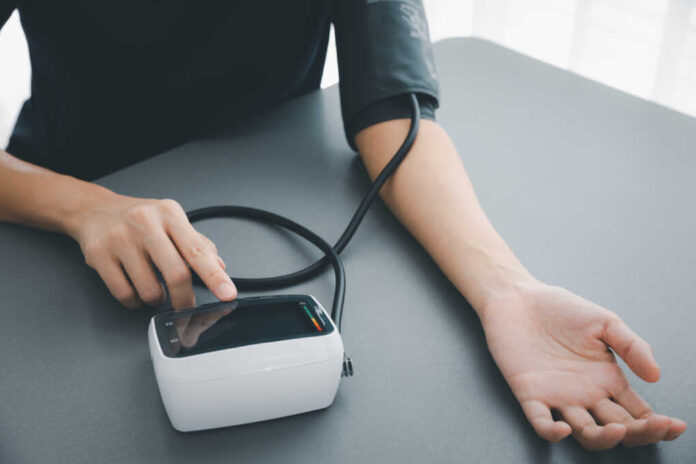
Using a validated upper-arm monitor is the gold standard in home blood pressure measurement. Devices should be replaced every three to five years, with regular checks for cuff wear and tear. Proper technique cannot be overstated: sit comfortably, rest for five minutes, and ensure your arm is at heart level. Avoid caffeine and exercise 30 minutes prior to measurement. Take two to three readings, one minute apart, and average them for a reliable result.
These steps might sound tedious, but they are essential for precision. Professional societies, including the American Heart Association, have emphasized these guidelines in their recommendations, underscoring the necessity of validation and technique. Ignoring these could result in misdiagnosis, leading to unnecessary treatments or, worse, overlooking a critical health issue.
Recognizing Red Flags
Even with diligent monitoring, certain red flags should prompt immediate medical attention. Consistently high readings, particularly those exceeding 180/120 mmHg, are alarming. Symptoms such as chest pain, shortness of breath, confusion, or weakness should never be ignored. These could signify hypertensive crises, demanding urgent intervention. Education on these warning signs is crucial for patients monitoring their blood pressure at home.
Social media and online platforms have become invaluable tools for disseminating such information, with countless resources available to guide patients in understanding their health metrics. However, reliance solely on home monitoring without professional oversight can lead to anxiety or misinterpretation. Regular consultations with healthcare providers remain vital to ensure that home readings align with clinical assessments.
Ensuring Device Reliability
Not all blood pressure monitors on the market are reliable. Studies suggest that a significant portion of devices fail accuracy tests, particularly older models or those lacking validation. Consumers must consult reputable sources to verify their monitor’s status. Organizations like the FDA and international standards bodies play a pivotal role in regulating these devices, ensuring public safety through stringent standards and guidelines.
In the ever-evolving landscape of healthcare, home blood pressure monitoring stands as a testament to patient empowerment. Yet, it is not without its challenges. As the medical community continues to advocate for validated devices and proper technique, patients must heed this advice to safeguard their health. The stakes are high, but with informed choices, the benefits are immeasurable.
Sources:
Kaiser Permanente Washington Research Institute
British Journal of General Practice (PMC7274541)