

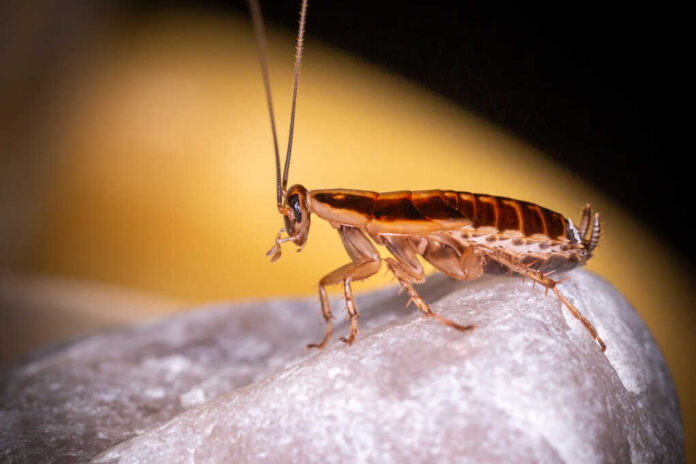
What if the silent enemy poisoning your home’s air wasn’t mold, dust, or even your neighbor’s questionable cooking—but the cockroach colony you never see?
Story Snapshot
- Cockroach infestations release allergens and bacterial toxins directly into indoor air, threatening respiratory health.
- NC State research links larger infestations—especially of female roaches—to dramatically higher toxin levels in homes.
- Invisible contamination from cockroaches can trigger or worsen asthma and allergies without obvious infestation signs.
- Misconceptions about cockroaches as mere “nuisances” may leave many Americans vulnerable to chronic illness and poor indoor air quality.
Cockroaches: Hidden Threats Lurking in Plain Sight
Cockroaches have long been branded the ultimate survivors—outliving dinosaurs, thriving through nuclear tests, and scurrying under refrigerators across America. Yet their talent for hiding isn’t just unnerving; it’s dangerous. NC State researchers have exposed a direct connection between cockroach infestations and airborne toxins inside homes. These aren’t the visible invaders you swat at midnight. Their most destructive work is silent, invisible, and continuous: spreading potent allergens and bacterial toxins that linger in the air, infiltrating lungs and immune systems, especially in households that never see a single roach in daylight.
Cockroaches are secretly poisoning indoor air https://t.co/fPWAxLoeBN
— Zicutake USA Comment (@Zicutake) November 5, 2025
Most people underestimate the gravity of a cockroach problem, dismissing the insects as mere pests. But the science reveals a deeper threat. As roaches move through kitchens, bathrooms, and air vents, they shed skin, feces, and saliva—all loaded with proteins that cause allergic reactions. Even a modest infestation can saturate the air with these allergenic particles, which remain suspended and circulate through HVAC systems. The result? Households may experience persistent coughing, sneezing, and even severe asthma attacks, especially among children and older adults who spend more time indoors.
Watch: Cockroaches are secretly poisoning indoor air
Female Roaches: The Unseen Super-Spreaders of Indoor Allergens
The NC State research team uncovered a striking pattern: homes with larger populations of female cockroaches had significantly higher levels of airborne toxins. Female roaches, constantly laying eggs and producing more waste, act as super-spreaders for the most potent allergens and bacterial byproducts. These particles are often microscopic, evading even the best cleaning routines. Residents may never see a roach, but the biological residue lingers on surfaces, in dust, and—most insidiously—in the air they breathe every day.
Asthma and allergy sufferers are the first and hardest hit. Exposure to cockroach allergens is now recognized as a leading cause of asthma attacks in urban environments, particularly among children. Symptoms can escalate from mild irritation to life-threatening episodes, even in homes that appear clean and pest-free. The NC State study’s findings suggest that eradicating visible roaches does not instantly eliminate risk; the biological toxins they leave behind can persist for months unless homes are deep-cleaned and air thoroughly filtered.
Pervasive Myths and Overlooked Realities: Why Many Remain at Risk
Public perception of cockroaches often lags behind the science. Many believe that roaches only infest dirty homes, or that a quick exterminator visit solves the problem. In reality, even the cleanest homes can harbor hidden infestations, especially in dense urban environments or aging buildings with cracks and crevices. Cockroaches are opportunists, drawn to warmth and moisture more than crumbs or clutter. Moreover, the health threat doesn’t end when the last insect dies; their allergenic dust can persist in carpets, drapes, and ventilation systems.
Cockroach-related allergens have been directly linked to increased hospital visits for asthma, particularly in lower-income and densely populated areas. The NC State study’s focus on female roaches adds a new layer: targeting infestations must involve not just eradication, but ongoing monitoring and improved indoor air quality controls. Homeowners and renters alike need to rethink pest management, prioritize air filtration, and demand greater public awareness—from realtors, landlords, and even lawmakers—regarding the hidden health toll of these ancient invaders.
Sources:
https://www.sciencedaily.com/releases/2025/11/251104094154.htm