
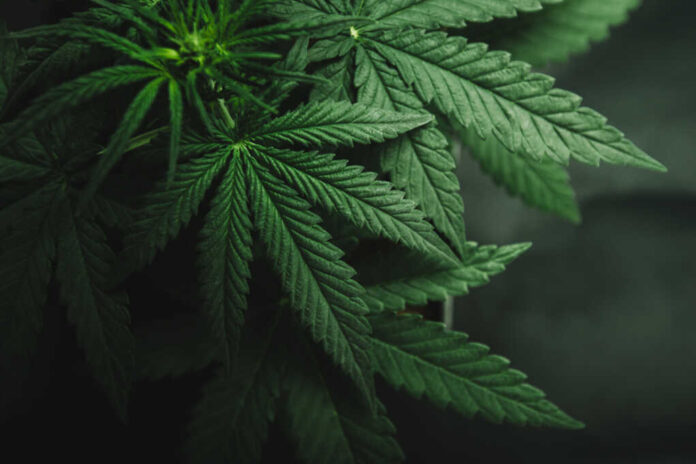
What if the most effective relief for eating disorder symptoms isn’t locked behind a pharmacy counter, but instead comes from substances long considered taboo—cannabis and psychedelics?
Story Snapshot
- International survey finds cannabis and psychedelics rated most effective for eating disorder symptom relief
- Prescription antidepressants seen as helpful for overall mental health, not core eating disorder symptoms
- Largest study of its kind reveals rampant self-medication among eating disorder patients
- Findings ignite debate about the future of mental health treatment and drug policy
Patients Lead the Way: Cannabis and Psychedelics for Eating Disorders
More than 6,000 adults with eating disorders across three continents upended conventional wisdom by rating cannabis and psychedelics as their most effective symptom relievers. This was not a fringe movement, but the result of the largest international survey ever conducted on the topic, the MED-FED study, launched in late 2022 and concluding mid-2023. The message from patients is unmistakable: the mainstream medical toolkit is failing, so they are looking elsewhere—increasingly, to substances that have been vilified, criminalized, and misunderstood for generations.
Survey participants described cannabis and psychedelics as providing the best relief for the core symptoms of their eating disorders, such as compulsive behaviors, anxiety around food, and obsessive thoughts. In stark contrast, prescription antidepressants—long the default option for many clinicians—were largely considered helpful only for comorbid depression or anxiety, not the eating disorder itself. This patient-driven data signals a growing disconnect between what is prescribed and what actually helps.
Historical Baggage and the Limits of Traditional Medicine
Eating disorders have always been a tough nut to crack. They are among the most lethal mental health conditions, with high rates of suicide and chronicity. For decades, the medical establishment has leaned heavily on psychotherapy, while pharmacological options have lagged far behind. Only a handful of drugs are approved for eating disorder treatment, and even those offer modest benefits at best. In the absence of real solutions, patients have quietly—and now not so quietly—taken matters into their own hands.
Historically, rates of substance use among those with eating disorders have been high. This latest survey, however, quantifies and legitimizes a trend that has long been whispered about: self-medication is not an act of desperation, but a deliberate, informed choice for many. The rise of medical cannabis laws and the psychedelic renaissance has made these options more accessible, and younger generations are less burdened by the stigma their parents faced.
Implications for Research, Policy, and the Mental Health Industry
The implications of these survey results are seismic. If further research confirms the perceived benefits of cannabis and psychedelics, the gold standard of eating disorder treatment could shift dramatically. For now, there is a glaring absence of large-scale clinical trials to validate or refute these patient reports. Yet, the survey has done what decades of incremental science could not: forced the medical establishment to reckon with the lived experiences of patients who refuse to be passive recipients of inadequate care.
Pharmaceutical companies, regulators, and mental health professionals are watching closely, aware that the next wave of innovation might not come from a lab, but from the grassroots wisdom of those most affected. The possibility of a new therapeutic market is tantalizing, but so too is the risk of misuse, self-harm, or unforeseen side effects. As always, the challenge will be to distinguish signal from noise, hope from hype, and genuine breakthroughs from fleeting trends.
Credibility, Controversy, and the Path Forward
The study, published in a leading peer-reviewed journal and conducted by established researchers, carries significant weight. Still, its self-reported nature and the demographic skew—predominantly young, white, English-speaking women—mean that caution is warranted. Critics argue that enthusiasm for cannabis and psychedelics may outpace the evidence, and that patients’ perceptions are shaped by cultural narratives as much as by pharmacology.
Yet, dismissing these voices outright would be a grave mistake. Clinicians and policymakers must grapple with the reality that patients are already experimenting outside the bounds of traditional medicine. Calls for rigorous clinical trials are growing louder, as is the demand for a more nuanced, patient-centered approach to mental health treatment. Whether cannabis and psychedelics will become mainstream tools for eating disorder therapy remains uncertain, but the conversation is no longer ignorable. The era of top-down, drug-by-rote psychiatry is being challenged by a groundswell of patient agency—a development as radical as it is overdue.
Sources:
JAMA Network Open (Primary study publication)
Medical Republic (News coverage)
Psychiatry Advisor (Medical news)