

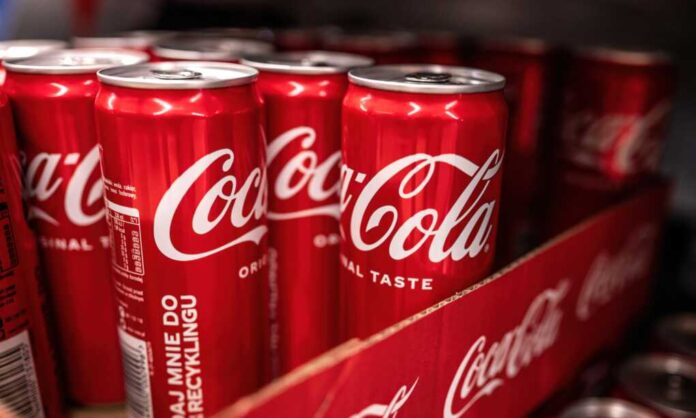
One presidential claim about Coca-Cola’s sweetener swap has set off a chain reaction that could change the price, taste, and very foundation of the American beverage and agriculture industries.
Story Overview
- President Trump’s public push for Coca-Cola to replace high-fructose corn syrup with cane sugar has ignited debate and confusion about the true costs of such a switch.
- Switching from corn syrup to cane sugar would drive up production costs, potentially spiking soda prices and squeezing supply chains.
- Coca-Cola announced a cane sugar variant, but a full transition remains unconfirmed and unlikely, according to industry analysts.
- The move spotlights deep-rooted U.S. agricultural policies and the powerful interests of the corn and sugar industries.
Presidential Pronouncement and a Corporate Tightrope
President Donald Trump’s July 2025 announcement that Coca-Cola would drop high-fructose corn syrup in favor of “real” cane sugar electrified social media and cable news. While the statement sounded definitive, Coca-Cola has yet to confirm a wholesale shift, instead unveiling plans for a cane sugar-sweetened variant to launch in the fall. This fine print matters: the difference between a specialty product and a complete transition could spell billions in production costs and upend decades of supply chain habits. For a brand as iconic as Coca-Cola, the prospect of upending its signature formula in the U.S. is more than a marketing stunt—it’s a high-stakes chess move with ripple effects far beyond the soda aisle.
For the corn industry, the stakes are existential. High-fructose corn syrup (HFCS) only became the sweetener of choice in the 1980s, a direct result of tariffs on imported cane sugar and robust subsidies for U.S. corn farmers. This chemistry of policy and economics made HFCS plentiful and cheap, locking it into the ingredient lists of virtually every American soft drink. Now, with consumer demand surging for “natural” ingredients and political pressure mounting, the corn lobby faces the prospect of a seismic disruption—a scenario that could wipe out $13.9 billion in short-term value and slash billions annually from corn refining and rural communities.
The Ingredient Divide: Economics, Supply, and Policy
Switching from HFCS to cane sugar is not just a matter of tweaking a recipe. The 2025 price per pound for HFCS is roughly $0.35, compared to $1.01 for cane sugar—nearly triple the cost. The U.S. produces a staggering 850 billion pounds of corn annually, but only about 8 billion pounds of cane sugar. Most domestic cane sugar comes from just three states—Texas, Florida, and Louisiana—and imports face steep tariffs, further pinching supply. For Coca-Cola and other beverage giants, the logistics of sourcing enough cane sugar to meet current demand is daunting, if not impossible, without significant changes to U.S. agricultural policy and global trade agreements.
Manufacturers would face higher ingredient and processing costs, which would likely be passed on to consumers through higher retail prices. Analysts estimate cane sugar-sweetened sodas could be 10–15% more expensive—enough to potentially dampen demand. For consumers, this could mean paying more for the same nostalgic taste, or watching their favorite sodas become an occasional luxury rather than a daily staple.
Health Claims and Consumer Perception: Facts vs. Feelings
Consumer nostalgia for “Mexican Coke”—the cane sugar-sweetened version long imported by aficionados—has fueled calls for a return to the “real thing.” But according to food scientists and health experts, expectations of a health benefit are misplaced. Both HFCS and cane sugar are calorically and biochemically similar. Jennifer Temple, a nutrition scientist at the University at Buffalo, emphasizes there is no meaningful difference in how the body metabolizes these sweeteners; any health benefit would come only from reduced consumption, not from the switch itself. This raises a pointed question: Are we chasing taste, health, or just the allure of authenticity?
The only sure outcome of price hikes is likely to be a dip in soda consumption—a trend that, paradoxically, could improve public health, but at the cost of jobs and profits in the corn belt. In a classic case of unintended consequences, a move meant to give consumers “better” soda may lead to less soda all around.
Winners, Losers, and the Unresolved Future
The corn industry, long buoyed by government support, faces a direct threat from any major reduction in HFCS demand. Corn farmers, processors, and rural towns could see jobs and revenues evaporate if beverage makers exit the HFCS market. On the flip side, U.S. sugar producers stand to gain, but are constrained by limited production capacity and the same protectionist policies that once steered the industry toward corn. Neither industry can pivot overnight, and both are deeply embedded in the political machinery of Washington, D.C.
Coca-Cola’s cautious approach—testing the waters with a cane sugar variant rather than a full-scale switch—reflects the complexity of the challenge. The company must balance consumer perception, cost, and supply reliability, all while navigating the unpredictable crosswinds of politics and public relations. For policymakers, the episode is a stark reminder that even seemingly simple product changes can expose the tangled web of subsidies, tariffs, and vested interests that shape what Americans eat and drink.
Sources:
USDA Economic Research Service